Trump Links Oil Price Relief to Post-Midterm Timeline Amid Prolonged Iran Conflict
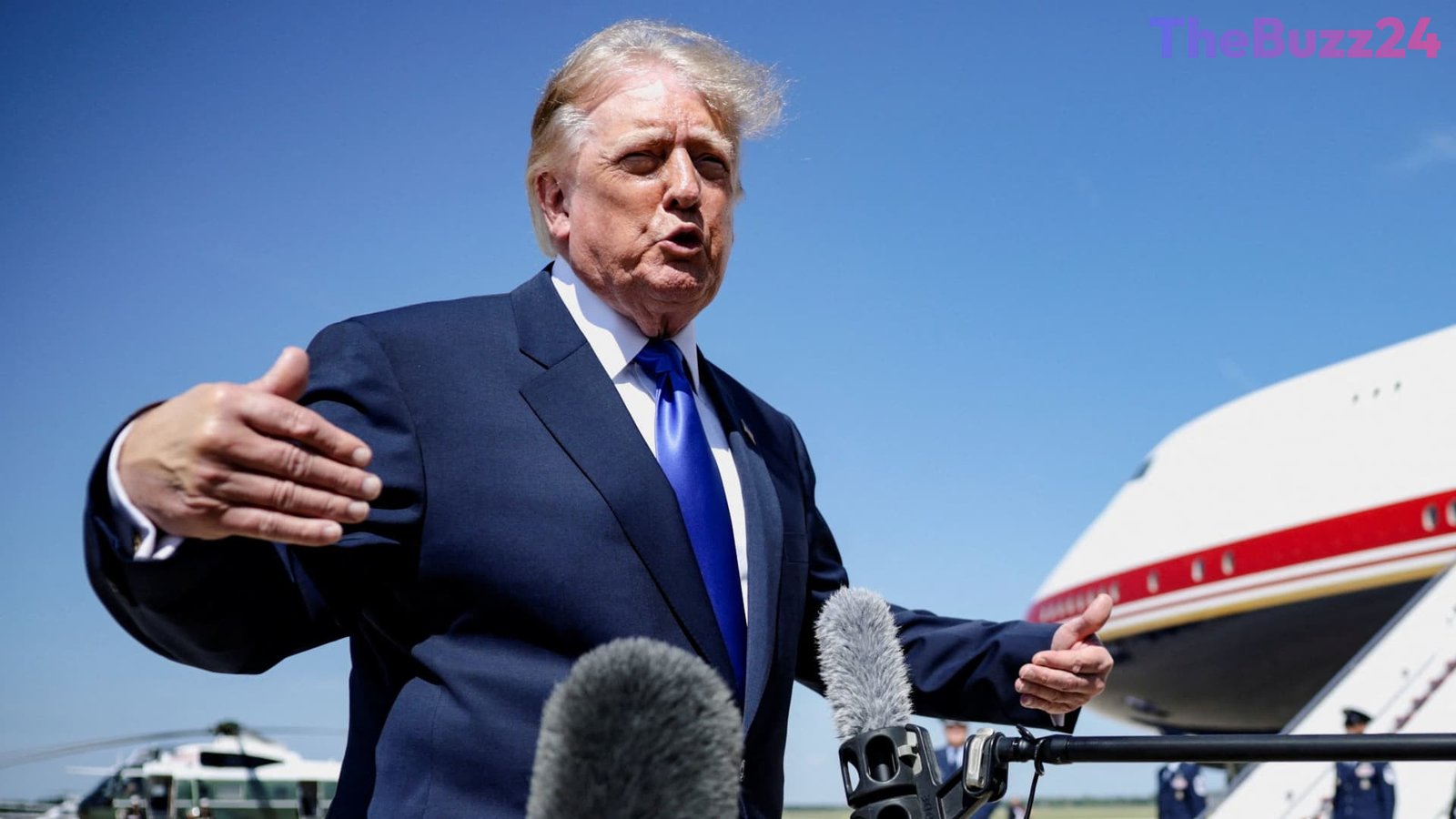
President Donald Trump indicated that elevated energy costs driven by the ongoing conflict with Iran will not see significant relief until after the upcoming midterm elections. Speaking to members of the press, the administration leader expressed confidence that fuel markets would normalize shortly after voters cast their ballots, despite global crude benchmarks surging past notable thresholds.
Global benchmark Brent crude futures recently traded above $101 per barrel, marking a multi-month high, while U.S. West Texas Intermediate futures also experienced substantial gains. The administration has defended the prolonged military engagement by framing it as a necessary defense against nuclear proliferation, arguing that the alternative of yielding to Tehran carries unacceptable global risks.
The protracted military campaign, now stretching into its seventh month, continues to influence domestic economic discussions, particularly regarding inflation and consumer costs. Energy sector experts remain cautious regarding political timelines for market recovery, noting that supply chain disruptions and geopolitical tensions in the Persian Gulf region present unpredictable variables for future pricing trends.
Key Takeaways
- President Trump stated that high oil and gas prices will persist until after the midterm elections.
- Global crude benchmarks like Brent crossed $101 per barrel following recent escalations between Washington and Tehran.
- Energy analysts remain skeptical of political timelines predicting an immediate drop in fuel costs following the elections.
Editor’s Analysis & Impact
The intersection of geopolitical conflict and domestic energy pricing creates a volatile environment for global markets. As the protracted military engagement with Iran continues to restrict petroleum flow and disrupt tanker transit in the Persian Gulf, crude prices remain sensitive to supply shocks. For the broader economy, persistent high energy costs threaten to fuel inflationary pressures, complicating monetary policy and consumer spending habits. While political rhetoric often ties market relief to specific electoral milestones, structural market realities—such as refining capacities, geopolitical risk premiums, and global demand dynamics—suggest that sustainable price stabilization will depend heavily on actual resolution of the conflict rather than political calendars.
Frequently Asked Questions
Q: When did President Trump suggest oil prices would fall?
A: President Trump stated that oil and gas prices are expected to decline immediately after the midterm elections.
Q: How have global oil benchmarks been affected by the conflict?
A: Global benchmark Brent crude futures recently traded above $101 per barrel, reaching highs not seen since the early weeks of the conflict.
Q: What is the primary reason cited for the ongoing energy price surge?
A: The elevated prices are primarily driven by the protracted military conflict with Iran and related disruptions to oil tankers and supply chains in the Persian Gulf.
AI Disclosure: This article is based on verified data and official reports. Our Team and AI have cross-referenced every financial detail with primary sources to ensure total accuracy.
More from this Category