Trump Open to 20-Year Iran Nuclear Program Freeze, Signaling Diplomatic Shift
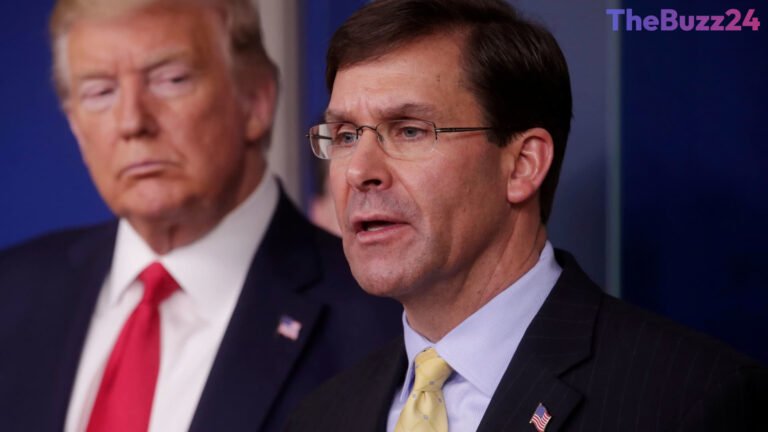
President Donald Trump has signaled a potential shift in his administration’s policy regarding Iran’s nuclear program, expressing openness to a 20-year suspension of uranium enrichment. This represents a notable departure from his previous demands for a permanent halt to activities that could lead to nuclear weapons development. Trump’s emphasis on a “real 20 years” suggests a possible de-escalation of his previously stringent stance, although concrete details regarding the enforcement and verification of such an agreement are yet to be clarified. This development follows reports that Vice President JD Vance had advocated for a minimum 20-year pause during recent discussions.
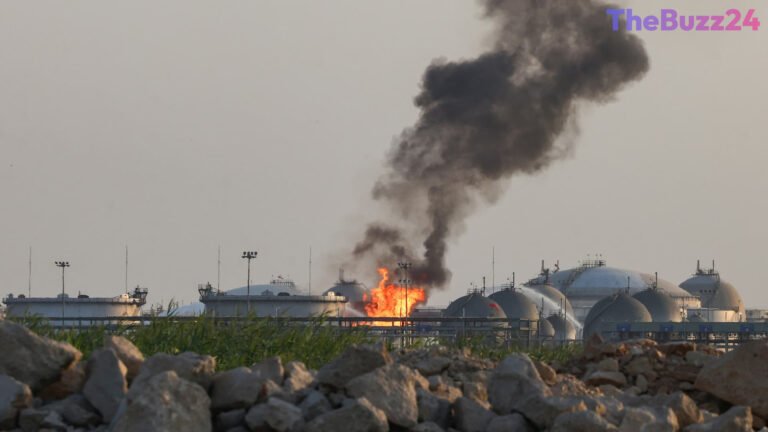
The announcement arrives during a period of heightened tensions and a fragile ceasefire between the United States, Israel, and Iran, which has largely held despite occasional skirmishes. Mediated peace talks have not yet achieved a significant breakthrough, with both parties reportedly rejecting recent proposals. Iran’s suggested terms included an immediate cessation of hostilities, the lifting of a U.S. naval blockade on its ports, and assurances against future attacks, potentially referencing actions against allies like Hezbollah. The U.S., meanwhile, has insisted on the reopening of the Strait of Hormuz, currently under Iranian control and impacting global oil prices, and has reiterated its demand that Iran must not obtain nuclear weapons.
This potential policy adjustment echoes past diplomatic maneuvers. During his presidency, Trump withdrew the U.S. from the 2015 Joint Comprehensive Plan of Action (JCPOA), citing concerns over its “sunset clauses” that allowed certain restrictions to expire. The possibility of Iran resuming its nuclear activities after a defined period has been a significant worry for regional allies. Israeli Prime Minister Benjamin Netanyahu, a staunch critic of the original deal, has not yet commented on Trump’s latest remarks. However, he has previously stated that Iran’s enriched uranium stockpile must be eliminated before the conflict can be considered resolved, highlighting Israel’s deep-seated security concerns regarding Iran’s nuclear capabilities.
Key Takeaways
- President Trump is reportedly open to a 20-year suspension of Iran's nuclear program, a shift from demanding a permanent halt.
- The potential policy change occurs amidst ongoing, fragile peace talks and existing tensions between the U.S., Israel, and Iran.
- This development revisits concerns over Iran's nuclear capabilities, previously addressed by the U.S. withdrawal from the 2015 JCPOA deal.
Editor’s Analysis & Impact
President Trump’s reported willingness to consider a 20-year freeze on Iran’s nuclear program represents a significant potential recalibration of U.S. foreign policy in the Middle East. If materialized, this could open new avenues for de-escalation, particularly if coupled with verifiable mechanisms. However, the devil will be in the details: the specifics of enforcement, verification, and the broader geopolitical context will determine its efficacy. The market impact could be substantial, potentially easing concerns over oil supply disruptions from the Strait of Hormuz and reducing geopolitical risk premiums. The long-term outlook hinges on Iran’s response and the willingness of other international actors to support or scrutinize such an agreement, especially given past U.S. withdrawals from similar deals.
Frequently Asked Questions
Q: What is the JCPOA?
A: The Joint Comprehensive Plan of Action (JCPOA) is a 2015 agreement between Iran and several world powers (including the U.S., UK, France, Russia, China, and Germany) that aimed to limit Iran's nuclear program in exchange for sanctions relief. The U.S. withdrew from the deal in 2018 under President Trump.
Q: Why is uranium enrichment a concern?
A: Uranium enrichment is a process used to increase the concentration of a specific isotope of uranium. While enriched uranium has peaceful applications, such as in nuclear power plants, highly enriched uranium can also be used to create nuclear weapons. Therefore, international efforts focus on limiting Iran's enrichment capabilities to prevent it from developing nuclear weapons.
Q: What is the Strait of Hormuz?
A: The Strait of Hormuz is a narrow waterway connecting the Persian Gulf and the Gulf of Oman. It is a critical chokepoint for global oil transportation, with a significant percentage of the world's oil passing through it daily. Its control is a major geopolitical factor in the region.
AI Disclosure: This article is based on verified data and official reports. Our Team and AI have cross-referenced every financial detail with primary sources to ensure total accuracy.
More from this Category