Trump Stands Firm on Bill Pulte for Intelligence Chief as Surveillance Law Deadline Looms
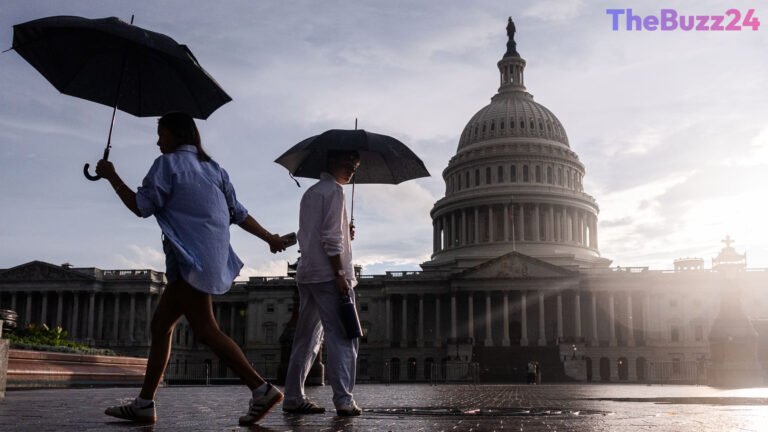
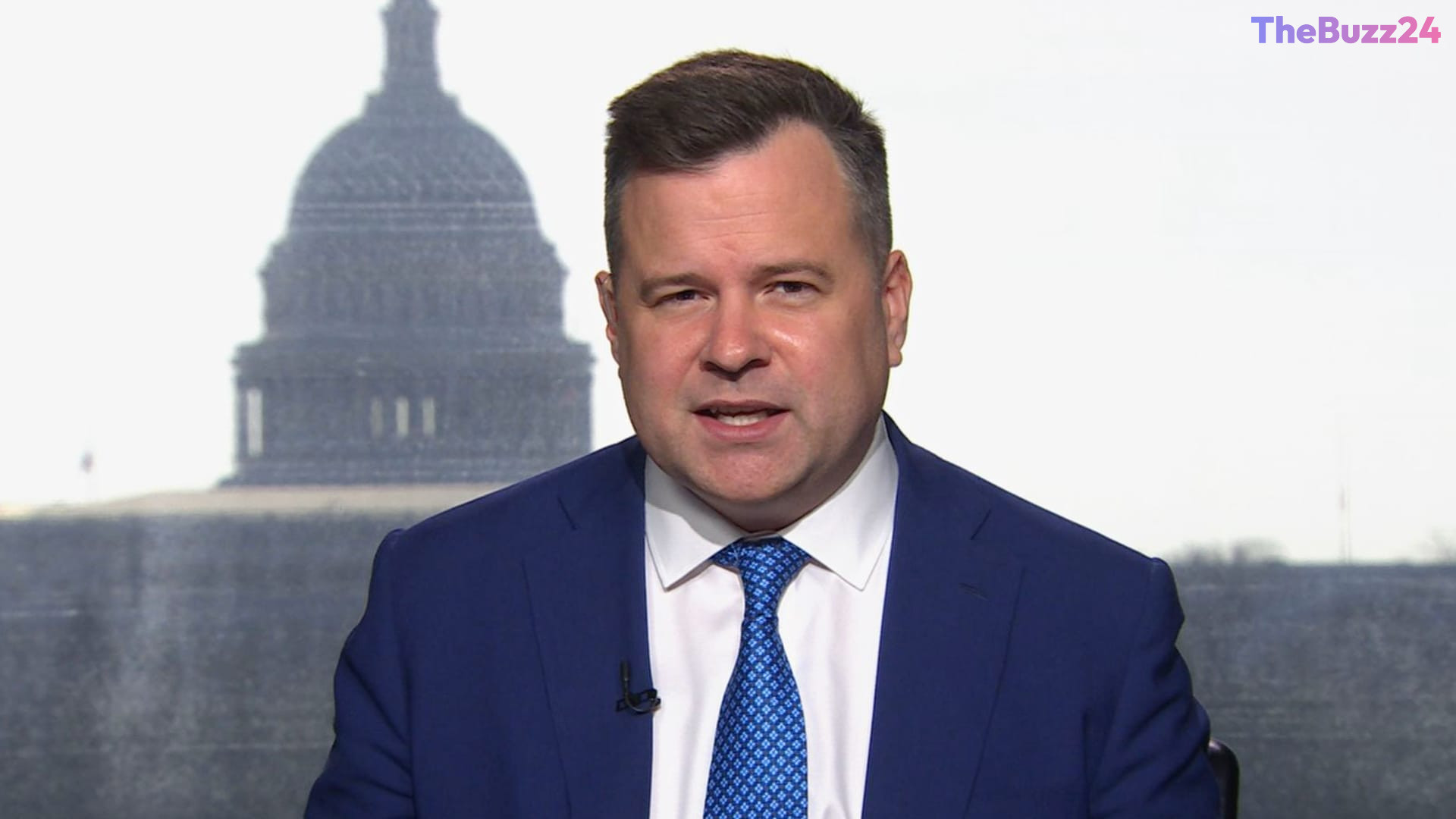
President Donald Trump has reaffirmed his decision to appoint Bill Pulte as the acting director of national intelligence (DNI), scheduled to take office on June 19. This move comes amid escalating bipartisan tension on Capitol Hill, which threatens to derail the reauthorization of a critical foreign surveillance program. Trump has urged lawmakers to pass a short-term extension of the Foreign Intelligence Surveillance Act (FISA) to prevent the program from expiring at the end of the week, accusing political opponents of compromising national security over unrelated political disputes.
The controversy centers on Pulte, the current head of the Federal Housing Finance Agency, who has drawn sharp criticism from both Democrats and Republicans for using his position to investigate political rivals. Critics argue that Pulte lacks the necessary qualifications for the nation’s top intelligence post, with some lawmakers calling him a dangerous and highly partisan choice. The backlash has disrupted a previously bipartisan effort to secure a three-year reauthorization of Section 702 of FISA, which allows intelligence agencies to monitor the communications of foreign targets abroad, even when they interact with American citizens.
Opponents of the surveillance program, including privacy advocates from both parties, have long raised concerns about its potential to infringe on the civil liberties of U.S. citizens. Some lawmakers, such as Representative Tim Burchett, have insisted that any extension must include strict warrant requirements to protect domestic privacy. Conversely, proponents of the law argue that letting Section 702 expire would severely blind U.S. intelligence operations, particularly during high-profile global events like the upcoming FIFA Men’s World Cup and the nation’s America250 celebrations.
As the June 12 expiration deadline rapidly approaches, Senate leaders are exploring a temporary patch that would extend the surveillance program through July 2. This would buy Congress more time to debate a permanent DNI nominee and negotiate a long-term FISA compromise. However, securing the necessary votes remains highly uncertain, leaving the future of America’s foreign intelligence-gathering capabilities hanging in the balance.
Key Takeaways
- President Trump has doubled down on appointing Bill Pulte as acting DNI, despite widespread bipartisan opposition.
- The political standoff threatens the expiration of Section 702 of the Foreign Intelligence Surveillance Act (FISA), a key intelligence-gathering tool.
- Lawmakers are considering a short-term extension of FISA through July 2 to avoid a lapse in national security operations.
Editor’s Analysis & Impact
The current political gridlock over the DNI appointment and the FISA Section 702 reauthorization highlights a deepening divide in Washington over national security and civil liberties. By appointing a highly controversial figure like Bill Pulte to lead the intelligence community, the administration has inadvertently unified privacy hawks and moderate lawmakers in opposition, stalling critical legislation. If Section 702 is allowed to lapse, even temporarily, it could create significant blind spots for U.S. counterterrorism and intelligence operations at a time of heightened global tension. Moving forward, the debate will likely force a compromise on warrantless surveillance, as moderate Republicans and Democrats demand stronger privacy protections for American citizens as a condition for any long-term reauthorization.
Frequently Asked Questions
Q: What is Section 702 of the Foreign Intelligence Surveillance Act (FISA)?
A: Section 702 is a provision that allows U.S. intelligence agencies to collect communications of non-U.S. citizens located outside the United States without a warrant, even if those communications involve Americans.
Q: Why is Bill Pulte's nomination as acting DNI controversial?
A: Pulte, who currently leads the Federal Housing Finance Agency, has faced criticism from both political parties for launching investigations into political opponents and is viewed by critics as lacking the traditional qualifications required for the nation's top intelligence role.
Q: What happens if Congress fails to pass an extension?
A: If Congress does not approve an extension, the FISA Section 702 program will expire, which proponents warn could severely limit the government's ability to detect and prevent foreign national security threats.
AI Disclosure: This article is based on verified data and official reports. Our Team and AI have cross-referenced every financial detail with primary sources to ensure total accuracy.
More from this Category