Trump Warns Iran Will ‘Pay the Price’ Amid Escalating Middle East Tensions
Former President Donald Trump has issued a stern warning to Iran, stating on his Truth Social platform that the nation would “pay the price” for its perceived delay in agreeing to a deal. Trump’s remarks come amidst a backdrop of escalating tensions in the Middle East, following recent U.S. military actions and alleged retaliatory strikes by Iran.
In a series of posts, Trump asserted that Iran’s military infrastructure was in disarray, claiming its navy and air force were largely “defeated” and that the country was “all talk and no action.” He also lauded the effectiveness of a U.S. naval blockade, describing it as “the most successful Blockade in the history of Naval Warfare.” According to Trump, this blockade has crippled Iran’s economy, preventing it from conducting business, paying its military, or settling its bills, thereby pushing it towards becoming a “FAILED NATION.” These strong declarations follow earlier statements from Trump suggesting a deal could be finalized within “two to three days.”
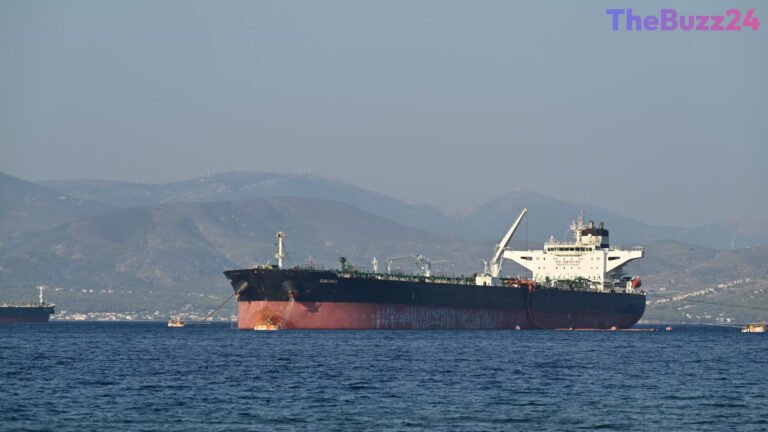
The former president’s comments immediately sent ripples through global markets. Oil prices saw an uptick, with U.S. crude oil futures for July delivery jumping nearly 2% to $89.72 per barrel, and Brent futures for August delivery rising 1.3% to $92.74 per barrel. Concurrently, U.S. stock futures experienced a decline, reflecting investor apprehension regarding the heightened geopolitical risks. Analysts have indicated that despite the blockade, a significant volume of Iranian oil, potentially around 2 million barrels per day, might still be reaching markets via tankers that have disabled their transponders.
The recent surge in regional tensions includes U.S. forces launching strikes against Iran, which U.S. Central Command stated were in response to the alleged downing of a U.S. Army Apache helicopter. While Iran has not directly claimed responsibility for the incident, its state broadcaster reported no offensive military operations in the Strait of Hormuz within the preceding 24 hours. The U.S. has consistently applied pressure on Iran through various means, including naval blockades on its ports and vessels, aiming to compel a diplomatic resolution.
Key Takeaways
- Donald Trump asserted on Truth Social that Iran would "pay the price" for delaying a peace deal, claiming its military is severely weakened and its economy failing due to a U.S. naval blockade.
- These statements followed recent military escalations, including U.S. strikes in response to an alleged helicopter downing and reported Iranian retaliations.
- Trump's comments led to an immediate increase in oil prices and a dip in U.S. stock futures, reflecting market sensitivity to Middle East tensions.
Editor’s Analysis & Impact
The former president’s strong rhetoric regarding Iran significantly amplifies geopolitical risk in the Middle East, directly impacting global markets. The immediate rise in oil prices reflects a heightened risk premium, signaling investor concern over potential supply disruptions from the region. Should tensions escalate further, we could see sustained volatility in energy markets and broader economic uncertainty. The ongoing pressure campaign against Iran, coupled with military actions and counter-actions, underscores the fragility of regional stability. The effectiveness of sanctions and blockades, as well as the potential for clandestine oil exports, will remain critical factors influencing Iran’s economic resilience and its willingness to engage in negotiations. The situation demands close monitoring for its potential to reshape international relations and global trade routes.
Frequently Asked Questions
Q: What prompted Donald Trump's recent statements about Iran?
A: Donald Trump's statements on Truth Social were made amidst escalating tensions in the Middle East, following U.S. military strikes in response to an alleged downing of a U.S. Army Apache helicopter, and reported retaliatory actions by Iran.
Q: How have financial markets reacted to these developments?
A: Following Trump's comments, oil prices increased significantly, with U.S. crude oil futures jumping nearly 2% and Brent futures rising 1.3%. Concurrently, U.S. stock futures experienced a decline, indicating market apprehension over the heightened geopolitical risks.
Q: What is the 'naval blockade' Trump referred to?
A: The 'naval blockade' refers to the U.S. efforts to pressure Iran by imposing restrictions on its ports and vessels, aiming to limit its ability to conduct trade, particularly oil exports. Despite these measures, analysts suggest a significant amount of Iranian oil may still be reaching markets.
AI Disclosure: This article is based on verified data and official reports. Our Team and AI have cross-referenced every financial detail with primary sources to ensure total accuracy.
More from this Category