Trump’s Secret Plane Swap: A High-Stakes Game of Deception Amidst Iran Tensions
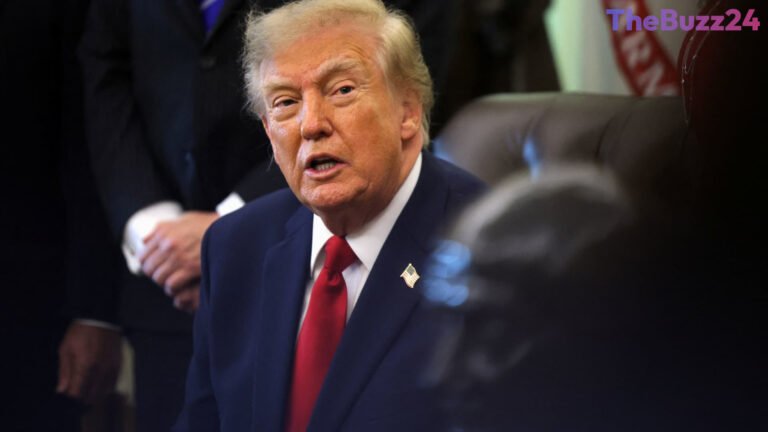
President Donald Trump’s recent clandestine maneuver to switch aircraft on his return from a NATO summit in Turkey has brought renewed attention to the deeply personal nature of the ongoing conflict with Iran. The elaborate ruse, which saw the President depart on a decoy Air Force One while the media and most staff used the primary aircraft, was reportedly a direct response to credible intelligence suggesting an Iranian missile threat against the presidential plane.
This incident underscores the heightened security concerns surrounding Trump, who has been a prominent target of Iranian threats and alleged plots for years. Following the US-backed airstrike that killed top Iranian leaders, including Ayatollah Ali Khamenei, Iran’s leaders vowed retaliation against the American president. These threats have manifested in various forms, from public murals depicting assassination attempts to foiled plots by individuals allegedly linked to Iran’s Revolutionary Guard Corps (IRGC).
While government security experts note that such evasive measures are not uncommon in warzone travel, the secrecy surrounding Trump’s flight, including his reported transport in a catering truck, deviates from past presidential practices. Previous presidents have traveled discreetly, but typically with media awareness post-departure. The White House’s limited details on the specific threat, coupled with the visual of the President potentially hiding, could be seen as undermining his carefully cultivated image of strength, especially given his public assertions of Iran’s military defeat.
The revelation of the plane swap, occurring over a month after the event, highlights the persistent and significant threat Iran continues to pose to US interests, even as the President claims the conflict is largely resolved. The ongoing saga of Iranian threats, including recent public displays of animosity and alleged assassination schemes, suggests a protracted and deeply personal struggle between Trump and the Iranian regime, with the President himself remaining a primary focus.
Key Takeaways
- President Trump secretly used a decoy aircraft due to credible intelligence of an Iranian missile threat.
- The incident highlights the personal nature of the conflict between Trump and Iran, with the President as a frequent target of threats.
- The elaborate security measures and secrecy surrounding the flight raise questions about projecting strength versus ensuring safety.
Editor’s Analysis & Impact
The clandestine aircraft swap involving President Trump underscores the volatile geopolitical landscape and the deeply personal animosity fueling the conflict with Iran. This incident, beyond its immediate security implications, serves as a potent symbol of the high-stakes, often covert, nature of international relations. For the Trump administration, it presents a complex messaging challenge: balancing the need for robust security with the imperative to project an image of unwavering strength and control. The prolonged nature of Iranian threats, coupled with foiled assassination plots, suggests a persistent and evolving danger that requires constant vigilance. This situation could influence future US foreign policy decisions regarding Iran, potentially leading to more aggressive deterrence strategies or a renewed focus on de-escalation, depending on the perceived efficacy of current measures.
Frequently Asked Questions
Q: Why did President Trump switch planes secretly?
A: President Trump reportedly switched to a decoy aircraft as a security precaution due to credible intelligence suggesting an Iranian missile threat against the primary presidential plane, Air Force One.
Q: Are such security measures common for presidents?
A: While presidents traveling in or near warzones often employ secrecy, the elaborate nature of this ruse, including the use of a decoy and transport in a catering truck, deviates from typical practices where media is usually informed after the fact.
Q: What is the history of Iranian threats against President Trump?
A: Iranian threats against President Trump are not new. They intensified after the US-backed strike that killed Qasem Soleimani and have included alleged assassination plots, public threats, and murals depicting harm to the President.
AI Disclosure: This article is based on verified data and official reports. Our Team and AI have cross-referenced every financial detail with primary sources to ensure total accuracy.
More from this Category