Semiconductor Giants Face Market Headwinds Despite Record AI-Driven Growth
The semiconductor sector is currently navigating a complex landscape where record-breaking financial performance is being met with unexpected investor caution. Industry leaders Taiwan Semiconductor Manufacturing Co. (TSMC) and ASML have both experienced stock price corrections recently, despite reporting strong earnings fueled by the global surge in artificial intelligence demand. This trend underscores a growing disconnect between corporate output and the increasingly lofty expectations set by Wall Street.
TSMC reported a significant 58% increase in quarterly profits, marking a streak of four consecutive record-breaking quarters. The company’s strategic focus on high-performance computing now represents more than 60% of its total revenue, bolstered by its partnership with major AI players. Despite maintaining impressive gross margins of 66%, the market reacted coolly, partly due to a softening in smartphone-related demand and the massive capital expenditure requirements—projected between $52 billion and $56 billion through 2026—needed to scale manufacturing capacity.
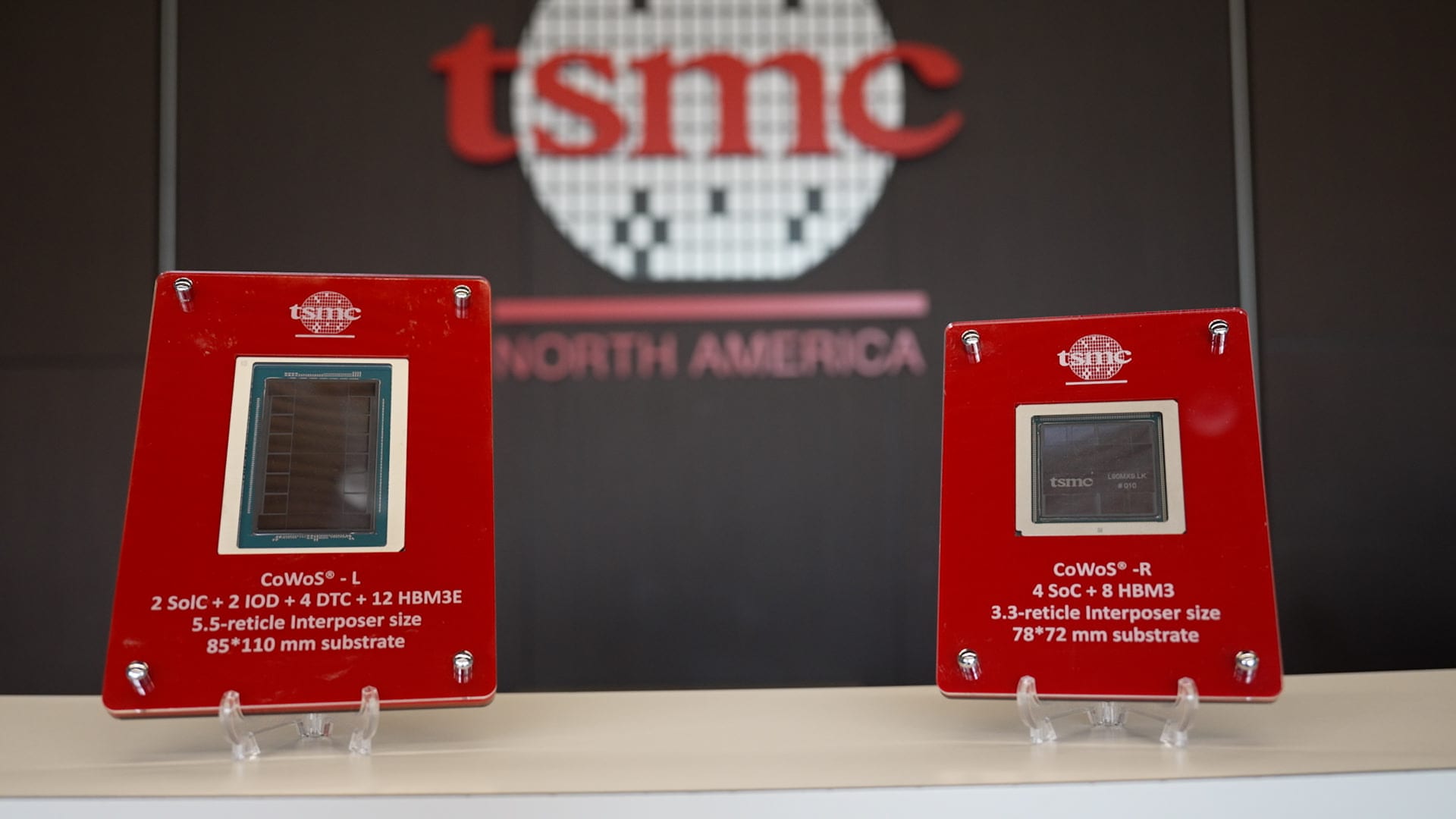
ASML, the critical supplier of extreme ultraviolet (EUV) lithography equipment, faced a similar market response. Even with positive forward guidance, investors expressed concern over production targets and potential headwinds regarding sales to China. The current climate suggests that for semiconductor firms, simply meeting growth targets is no longer enough to satisfy shareholders who are increasingly focused on manufacturing bottlenecks and geopolitical risks. As companies like TSMC and Intel race to expand advanced packaging capabilities, the industry remains in a high-stakes phase of infrastructure development that will define the next wave of technological progress.
Key Takeaways
- TSMC and ASML stocks have dipped despite reporting record-breaking financial results driven by AI demand.
- Investors are increasingly wary of high capital expenditure requirements and potential manufacturing bottlenecks in the chip sector.
- Market expectations have reached a threshold where even strong earnings reports are failing to trigger stock appreciation.
Editor’s Analysis & Impact
The recent market reaction to TSMC and ASML earnings signals a maturation phase in the AI investment cycle. Initially, the market rewarded any company with exposure to AI infrastructure; however, investors are now shifting their focus toward operational efficiency, capital allocation, and geopolitical risk. The ‘AI premium’ is being recalibrated as the market demands proof of sustainable, long-term profitability rather than just top-line growth. The massive capital expenditures required to maintain dominance in advanced packaging and lithography create a high barrier to entry, which is a double-edged sword: it protects incumbents from competition but puts immense pressure on cash flow. Moving forward, the industry’s ability to navigate trade restrictions and scale production capacity will be the primary determinants of stock performance, likely leading to increased volatility in the semiconductor sector.
Frequently Asked Questions
Q: Why are TSMC and ASML stocks falling despite record profits?
A: The stock declines are largely attributed to extremely high investor expectations, concerns over future capital expenditure costs, and potential geopolitical risks affecting sales in regions like China.
Q: What is the significance of 'CoWoS' in the current chip market?
A: CoWoS (chip on wafer on substrate) is an advanced packaging technology essential for high-performance AI chips. Expanding this capacity is a major priority for TSMC to meet the surging demand from AI hardware developers.
AI Disclosure: This article is based on verified data and official reports. Our Team and AI have cross-referenced every financial detail with primary sources to ensure total accuracy.
More from this Category