US Authorities Monitor Ebola Situation After American Tests Positive in Congo
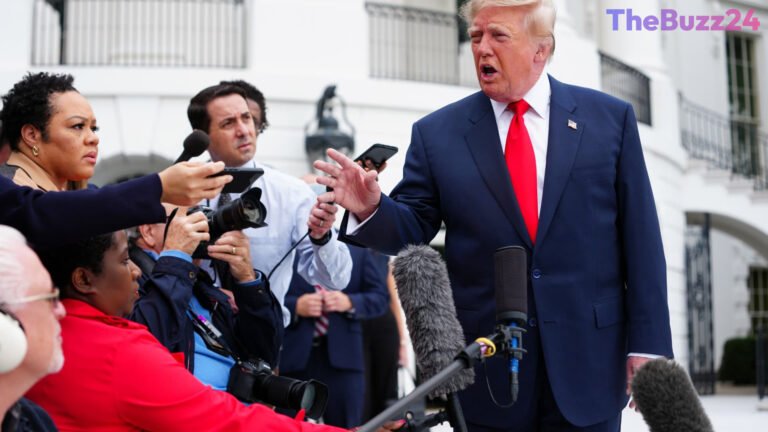
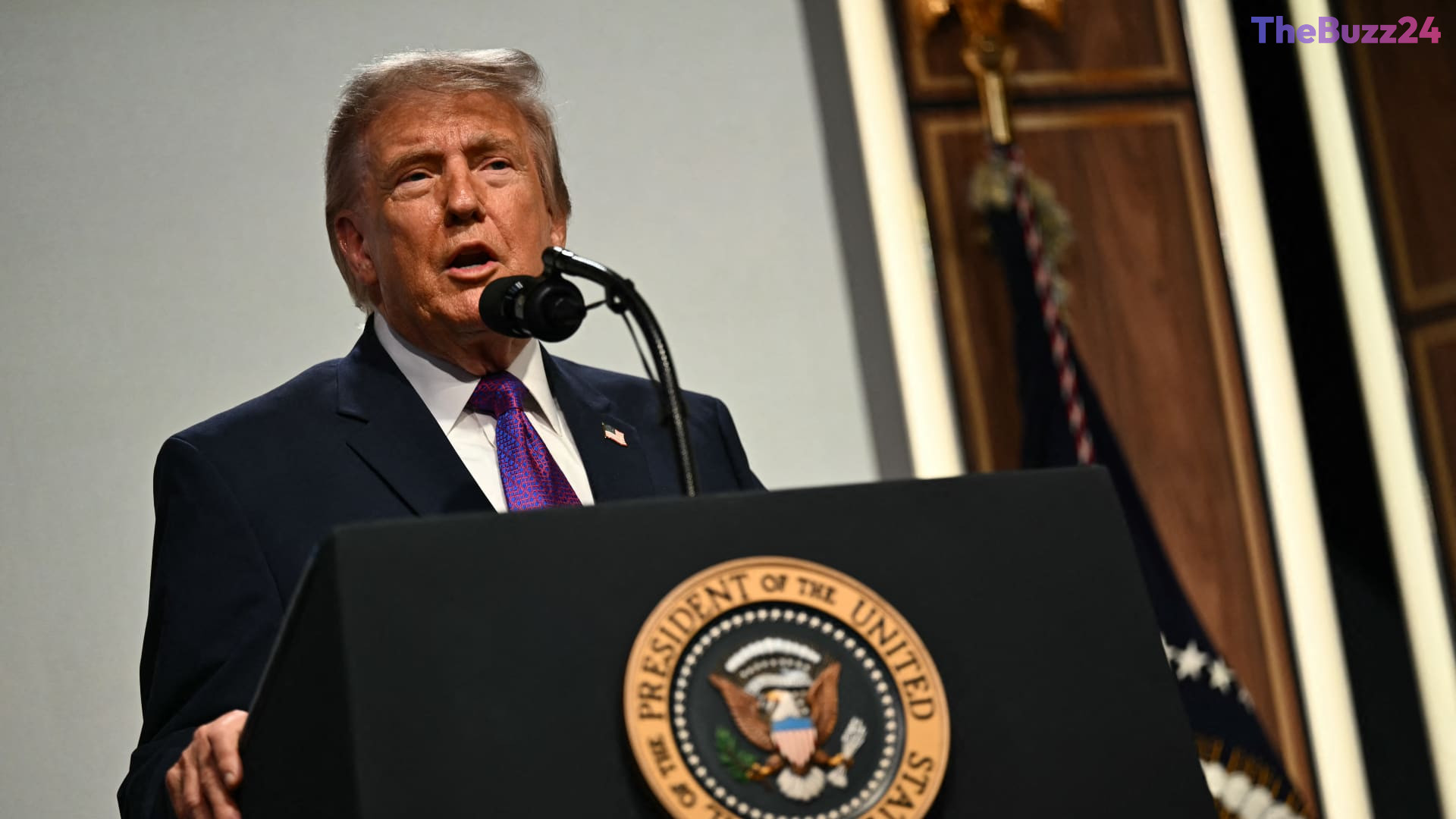
An American citizen has tested positive for the Ebola virus while in the Democratic Republic of the Congo, prompting close monitoring by United States officials. Former President Donald Trump addressed the situation during a recent health policy event, acknowledging the diagnosis and stating that while the current outbreak remains localized to the African continent, it remains a key area of focus for federal administrative oversight.
The diagnosis comes amid heightened global concern after international health authorities designated the specific Bundibugyo strain of the virus as a notable public health emergency. Although health organizations have clarified that the outbreak does not currently meet the criteria for a global pandemic, its presence in both the Democratic Republic of the Congo and neighboring Uganda has triggered increased international surveillance and precautionary measures.
According to medical officials, the infected American citizen began showing symptoms over the weekend, initiating a swift, coordinated interagency response. Heidi Overton of the Domestic Policy Council confirmed that the symptomatic patient, along with six other individuals identified as high-risk contacts, are being medically evacuated to Germany to receive specialized treatment. Officials have reassured the public that there are no active or confirmed cases of Ebola within the United States, emphasizing that containment and prevention remain the primary objectives.
Key Takeaways
- An American citizen in the Democratic Republic of the Congo has tested positive for the Bundibugyo strain of Ebola.
- The patient and six high-risk contacts are being evacuated to Germany for specialized medical care.
- US officials confirm there are no active cases of Ebola within the United States, and containment efforts are underway.
Editor’s Analysis & Impact
The emergence of an Ebola case involving a U.S. citizen highlights the ongoing challenges of global health security and the rapid transmission risks associated with international travel. While the Bundibugyo strain has been declared a public health emergency, the swift evacuation of the patient and close contacts to Germany demonstrates robust international containment protocols. For the pharmaceutical and healthcare sectors, this development underscores the continuous need for investment in broad-spectrum antiviral treatments and vaccines targeting lesser-known Ebola strains. Politically, the situation will likely pressure the U.S. administration to reinforce health screening protocols at major transit hubs, balancing public safety with international diplomatic and humanitarian commitments.
Frequently Asked Questions
Q: What strain of Ebola was detected in the American citizen?
A: The patient was diagnosed with the Bundibugyo strain of the Ebola virus, which has been declared a public health emergency by international health authorities.
Q: Where are the patient and their contacts being treated?
A: The symptomatic American citizen and six high-risk contacts are being evacuated to Germany to undergo specialized medical treatment and monitoring.
Q: Is there an active Ebola outbreak in the United States?
A: No, health officials have confirmed that there are currently no active or confirmed cases of Ebola within the United States, and containment measures are being strictly enforced.
AI Disclosure: This article is based on verified data and official reports. Our Team and AI have cross-referenced every financial detail with primary sources to ensure total accuracy.
More from this Category