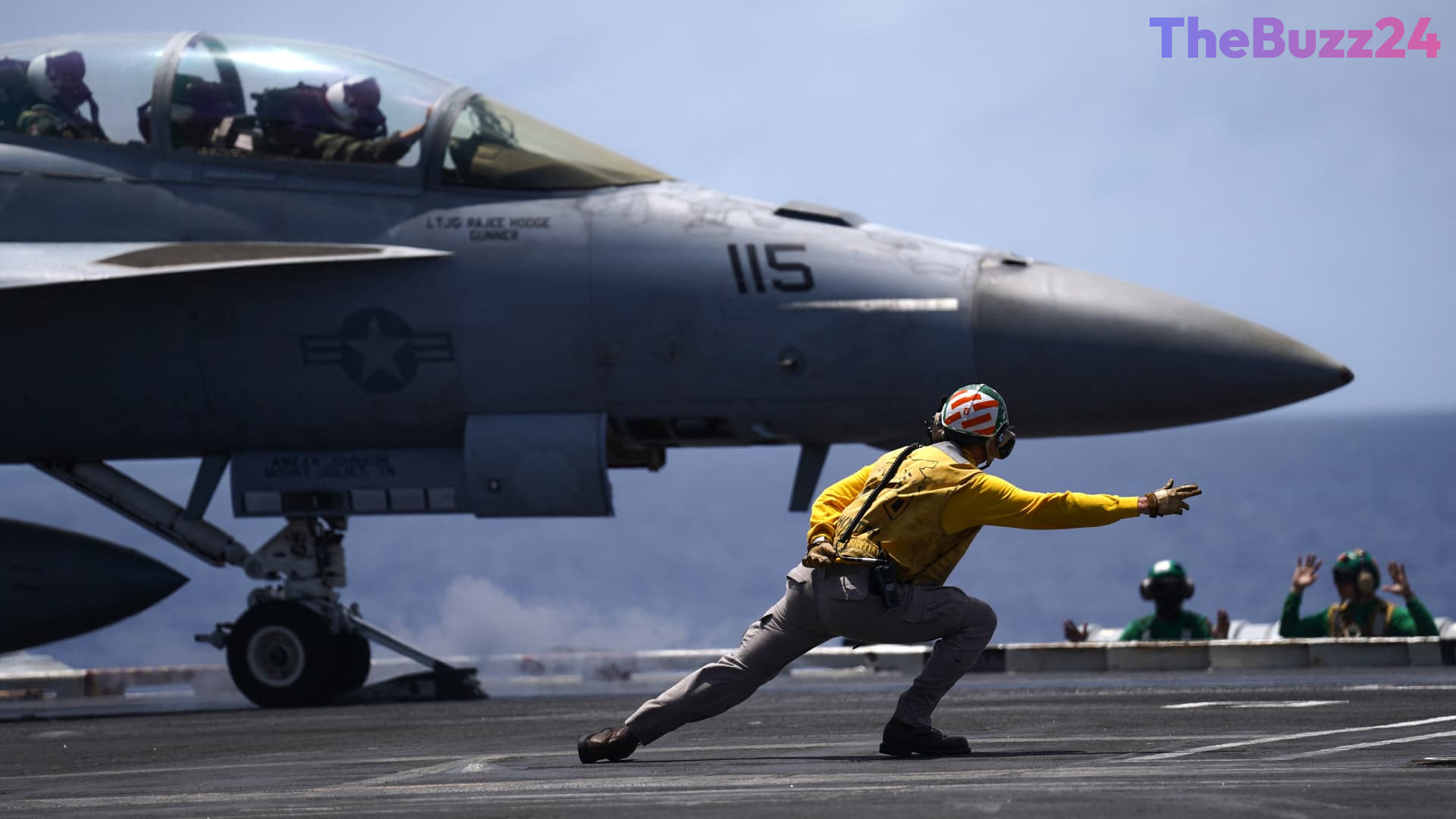
U.S. Strikes Iranian Targets Following Fatal Attacks in Jordan
The United States military has launched a series of targeted airstrikes against Iranian forces, including Islamic Revolutionary Guard Corps (IRGC) facilities, following a deadly attack in Jordan that resulted in the deaths of two American service members. U.S. Central Command confirmed that the operations, which have continued for eight consecutive nights, are aimed at degrading Iran’s coastal surveillance, air defense capabilities, and missile storage sites. These strikes are a direct response to the recent aggression against U.S. personnel and are intended to secure the flow of commercial shipping through the strategically vital Strait of Hormuz.
The regional security situation has deteriorated rapidly as a fragile interim peace agreement between the two nations appears to have collapsed. Iranian officials have formally suspended their commitments to the memorandum of understanding signed last month, citing U.S. violations. In response, President Donald Trump has maintained a firm stance, dismissing concerns over the breakdown of the agreement and reiterating the administration’s commitment to preventing Iran from acquiring nuclear capabilities. Meanwhile, regional tensions have escalated further, with Kuwait reporting the activation of its air defenses against incoming Iranian missiles and drones.
Energy markets have reacted sharply to the ongoing conflict, with oil prices seeing significant gains as investors weigh the potential for supply chain disruptions. While U.S. officials, including Energy Secretary Chris Wright, have sought to reassure the public that energy flows remain secure despite the unrest, domestic gas prices have begun to climb. As both sides continue to exchange threats and military actions, the international community remains concerned about the long-term stability of the region and the potential for further escalation in the coming weeks.
Key Takeaways
- U.S. forces conducted retaliatory strikes against Iranian military assets following the deaths of two American service members in Jordan.
- The interim peace agreement between the U.S. and Iran has effectively collapsed, with both nations accusing the other of violating the terms.
- Global oil prices have surged as market participants fear potential disruptions to shipping lanes in the Strait of Hormuz.
Editor’s Analysis & Impact
The current escalation between the U.S. and Iran represents a significant shift in Middle Eastern geopolitical stability, effectively nullifying recent diplomatic efforts to de-escalate tensions. From a market perspective, the primary concern is the volatility of the energy sector. The Strait of Hormuz remains a critical chokepoint for global oil supply; any sustained military activity there will likely keep upward pressure on crude benchmarks and domestic fuel prices. Looking ahead, the conflict risks drawing in regional neighbors, as evidenced by the reported strikes on Kuwaiti infrastructure. The broader implication is a return to a high-risk environment where diplomatic solutions are sidelined in favor of military posturing, which will likely continue to suppress investor confidence and complicate global trade logistics until a new, more durable framework for regional security is established.
Frequently Asked Questions
Q: Why did the U.S. launch airstrikes against Iranian forces?
A: The U.S. launched the strikes as a retaliatory measure after Iranian forces conducted attacks in Jordan that resulted in the deaths of two American service members.
Q: What is the status of the recent peace agreement between the U.S. and Iran?
A: The interim peace agreement has effectively collapsed, with both countries accusing the other of violating the terms and subsequently suspending their respective commitments.
AI Disclosure: This article is based on verified data and official reports. Our Team and AI have cross-referenced every financial detail with primary sources to ensure total accuracy.
More from this Category