Uber and Nuro Launch Premium Autonomous Robotaxi Pilot in San Francisco
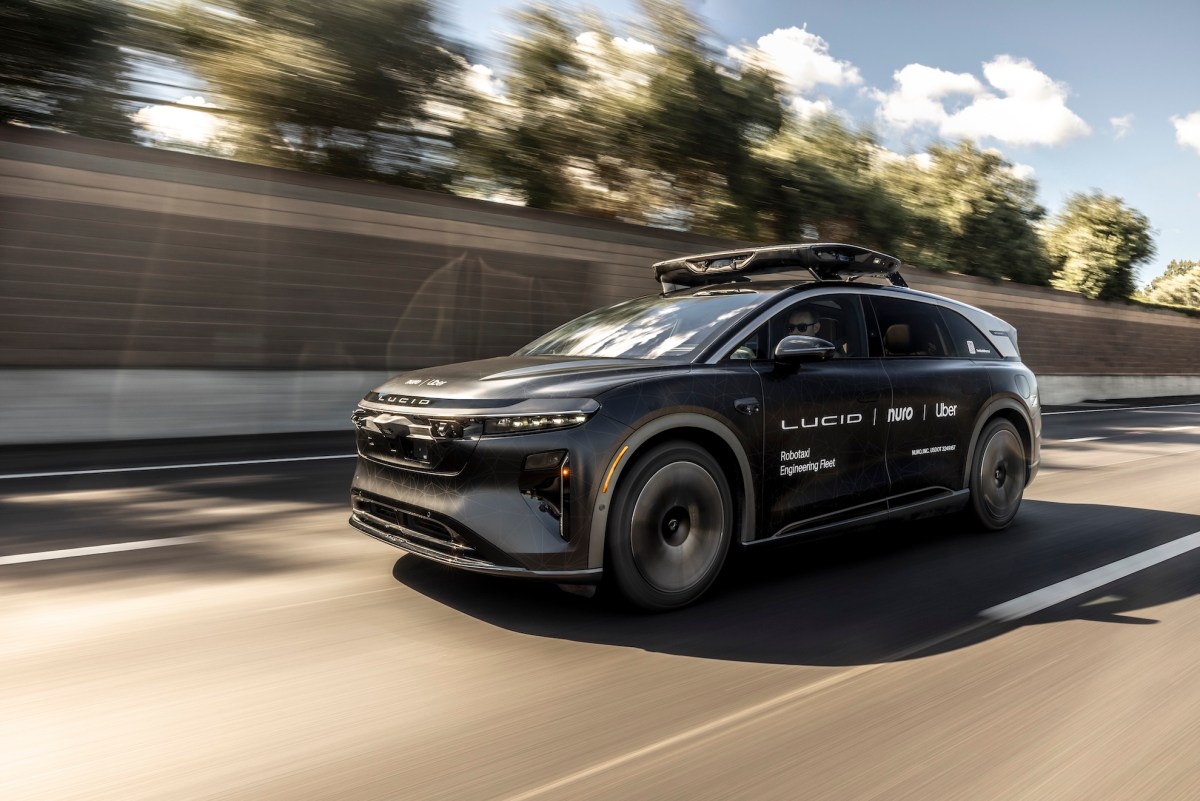
A new chapter in autonomous transportation is taking shape in San Francisco, where Uber and Nuro have officially launched a pilot program for a premium robotaxi service. Currently, the initiative is restricted to select Uber employees, who can hail rides using specially modified Lucid Gravity SUVs directly through the Uber app. While the vehicles are capable of full autonomous operation, a human safety operator remains behind the wheel to monitor performance and ensure passenger security during this developmental phase.
The fleet utilizes the high-end Lucid Gravity SUV platform, which has been retrofitted with Nuro’s proprietary self-driving technology. The system relies on a sophisticated hardware stack, including Nvidia’s Drive AGX Thor computer, high-resolution cameras, and advanced solid-state lidar and radar sensors. This sensor array is designed to provide the vehicle with a comprehensive understanding of its surroundings, allowing it to navigate the dense and unpredictable traffic patterns typical of urban environments like San Francisco.
This pilot program is the result of a strategic partnership established in 2025, which included a $300 million investment by Uber into Lucid and a commitment to purchase 20,000 modified Gravity SUVs over the next six years. Additionally, Uber has funneled significant capital into Nuro to accelerate the development of the autonomous stack. With a current engineering fleet of 100 vehicles already collecting data across various U.S. regions, the companies are focused on refining the user experience—specifically the complexities of curbside pickups and drop-offs—ahead of a planned public rollout later this year.
Key Takeaways
- Uber and Nuro have begun testing a premium autonomous ride-hailing service in San Francisco using modified Lucid Gravity SUVs.
- The vehicles utilize Nvidia’s Drive AGX Thor computing platform combined with a suite of lidar, radar, and camera sensors for navigation.
- Uber has committed to a long-term partnership involving a $300 million investment in Lucid and the procurement of 20,000 autonomous-ready vehicles.
Editor’s Analysis & Impact
The collaboration between Uber, Nuro, and Lucid represents a significant shift in the ride-hailing industry, moving from simple software integration to a vertically integrated hardware-software ecosystem. By securing a massive fleet of 20,000 vehicles, Uber is positioning itself to dominate the premium autonomous market, effectively bypassing the limitations of retrofitting older vehicle models. The industry impact is profound; it signals that the ‘robotaxi’ era is transitioning from theoretical testing to scalable, high-end commercial deployment. However, the success of this venture hinges on the reliability of Nuro’s autonomy stack in complex urban environments and the regulatory hurdles that remain. If successful, this model could force competitors to accelerate their own hardware-software partnerships, potentially leading to a rapid consolidation of the autonomous vehicle market over the next five years.
Frequently Asked Questions
Q: Who can currently use the Uber and Nuro robotaxi service?
A: The service is currently in a pilot phase and is only available to select Uber employees in San Francisco.
Q: Are the vehicles fully driverless during this testing phase?
A: While the vehicles operate in full autonomous mode, a human safety operator is required to be present behind the wheel at all times to monitor the system.
AI Disclosure: This article is based on verified data and official reports. Our Team and AI have cross-referenced every financial detail with primary sources to ensure total accuracy.
More from this Category