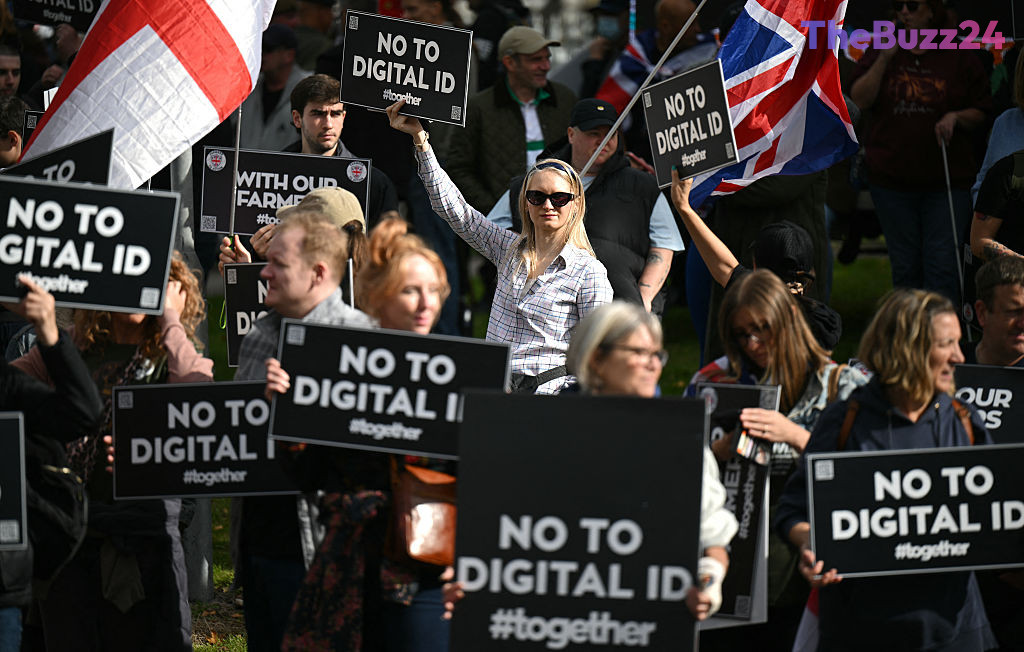
UK Government Ditches Controversial Digital ID Initiative Amid Public Backlash
The newly established administration in the United Kingdom has officially abandoned contentious plans to implement a national digital identity card system. The decision comes on the heels of massive public resistance, culminating in one of the largest parliamentary petitions in the nation’s history, which garnered nearly three million signatures from citizens expressing deep privacy concerns.
Financial resources previously allocated for the digital ID framework will now be redirected toward immediate relief measures for citizens. Officials announced that the redirected funds will help finance a targeted reduction in household electricity bills, offering financial relief as families navigate ongoing cost-of-living challenges during the winter months.
The initial digital identity proposal, championed by the prior government, was designed to streamline public service access and curb undocumented labor. However, the project faced heavy scrutiny over its projected multibillion-pound price tag and lack of dedicated funding. Critics and privacy advocates continuously warned that the mandatory cards would establish a dangerous precedent for state surveillance, mirroring historical opposition to similar identification schemes from previous decades.
Key Takeaways
- The UK government has formally scrapped the controversial digital ID card scheme introduced by the previous administration.
- Public backlash was fierce, resulting in a historic parliamentary petition signed by nearly 3 million citizens over privacy concerns.
- Savings from canceling the £1.8 billion project will be used to fund tax cuts aimed at lowering household electricity bills.
Editor’s Analysis & Impact
The scrapping of the UK’s digital ID initiative marks a significant victory for privacy advocates and highlights the growing political sensitivity surrounding state-backed digital identification programs. While governments globally are increasingly exploring digital infrastructure to streamline services and enhance security, this development underscores the critical friction between state modernization efforts and civil liberties. By reallocating the funds toward cost-of-living relief, the administration has successfully pivoted a potentially polarizing policy retreat into a popular economic measure. Moving forward, policymakers attempting similar technological overhauls must heavily prioritize transparent public engagement and robust data protection guarantees to avoid catastrophic pushback from privacy-conscious populations.
Frequently Asked Questions
Q: Why was the digital ID card scheme canceled?
A: The scheme was abandoned due to massive public opposition, including a petition with nearly 3 million signatures, and concerns over government surveillance and high costs.
Q: What will happen to the funds saved from canceling the project?
A: The money saved from halting the initiative will be redirected to fund a tax cut intended to lower household electricity bills for citizens.
Q: Who originally proposed the digital ID card system?
A: The national ID card system was initially introduced by former Prime Minister Keir Starmer before being scrapped by the incoming administration led by Andy Burnham.
AI Disclosure: This article is based on verified data and official reports. Our Team and AI have cross-referenced every financial detail with primary sources to ensure total accuracy.
More from this Category