Ukraine Resumes Refinery Strikes After Ceasefire Collapse
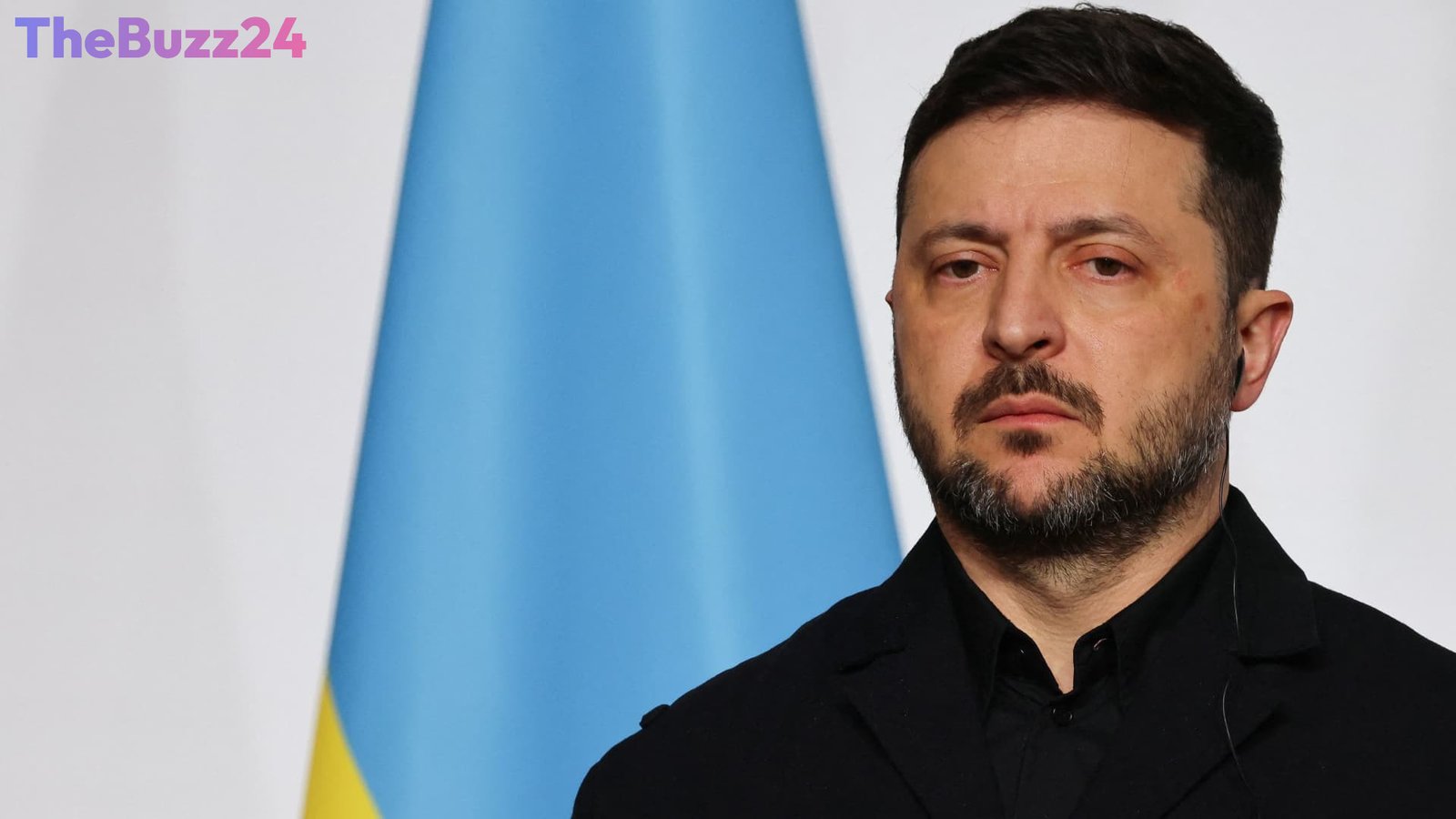
Ukraine has announced it will resume attacks on Russian energy infrastructure, signaling an end to a brief pause in hostilities. President Volodymyr Zelenskyy stated that the decision was made after Russia failed to adhere to an “energy ceasefire” proposal, which Ukraine had observed for three days.
The “energy ceasefire,” reportedly brokered by former U.S. President Donald Trump, aimed to halt attacks on power facilities by both nations, with the stated goal of stabilizing global oil and diesel prices. However, Ukrainian officials assert that Russia violated the agreement by launching a significant assault on Ukrainian energy targets, including approximately 40 ballistic missiles, during the period of Ukraine’s restraint.
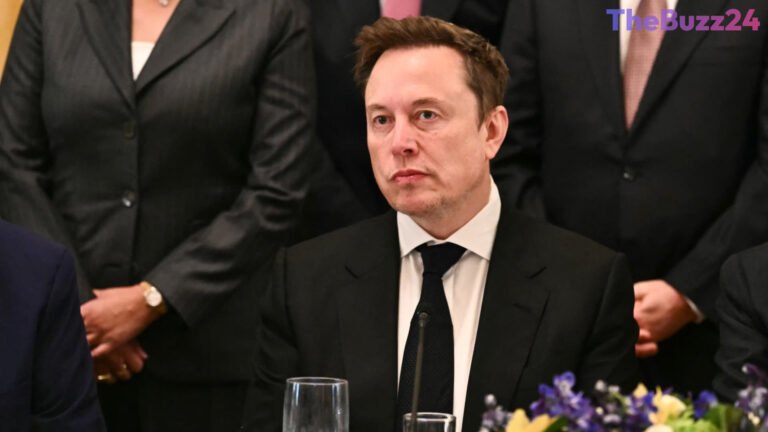
Adding to Ukraine’s frustrations, the country has reportedly experienced restrictions on its Starlink satellite internet service, which is crucial for military communications. An adviser to President Zelenskyy suggested that SpaceX, the company behind Starlink, implemented speed limitations on terminals in motion without prior notification to Ukrainian defense forces. SpaceX CEO Elon Musk has indicated that the U.S. government holds ultimate control over the military-grade Starshield systems, implying a potential U.S. role in these restrictions.
President Zelenskyy expressed disappointment with recent developments, including what he perceived as former President Trump’s dealings with Russian President Vladimir Putin, Russia’s continued attacks on Ukrainian infrastructure, and the limitations placed on Starlink. Despite these setbacks, Zelenskyy emphasized that Ukraine’s long-term survival and its strategic partnership with the United States remain paramount.
Key Takeaways
- Ukraine has resumed attacks on Russian energy infrastructure following the collapse of a proposed "energy ceasefire."
- Kyiv alleges Russia violated the ceasefire by launching missile strikes during Ukraine's three-day pause.
- Restrictions on Starlink services have disrupted Ukrainian military operations, with potential U.S. government involvement cited.
Editor’s Analysis & Impact
The resumption of Ukrainian strikes on Russian refineries marks a significant escalation in the ongoing conflict, directly impacting global energy markets. The breakdown of the “energy ceasefire” highlights the deep mistrust between the involved parties and the challenges in de-escalating hostilities, especially with external political influences at play. The reported Starlink restrictions raise critical questions about the reliability of advanced technology in conflict zones and the geopolitical considerations that can affect its deployment. This situation could lead to increased oil price volatility and further strain international relations, underscoring the complex interplay of military strategy, energy security, and political maneuvering.
Frequently Asked Questions
Q: What was the "energy ceasefire"?
A: The "energy ceasefire" was a proposed agreement, reportedly brokered by former U.S. President Donald Trump, aimed at halting attacks on energy infrastructure by both Ukraine and Russia. The goal was to help stabilize global oil and diesel prices.
Q: Why did Ukraine resume attacks on Russian refineries?
A: Ukraine resumed attacks because it claims Russia violated the terms of the "energy ceasefire" by launching a significant assault on Ukrainian energy infrastructure during the three-day period Ukraine had observed the pause.
Q: What is Starlink and why are there restrictions?
A: Starlink is a satellite internet service provided by SpaceX. Ukraine has reported restrictions on its use for military operations, including speed limitations on terminals in motion. SpaceX CEO Elon Musk has stated that the U.S. government controls the military-grade Starshield systems, suggesting a potential U.S. role in these curbs.
AI Disclosure: This article is based on verified data and official reports. Our Team and AI have cross-referenced every financial detail with primary sources to ensure total accuracy.
More from this Category