United Russia Secures Wartime Election Victory Amidst Escalating Drone Assaults
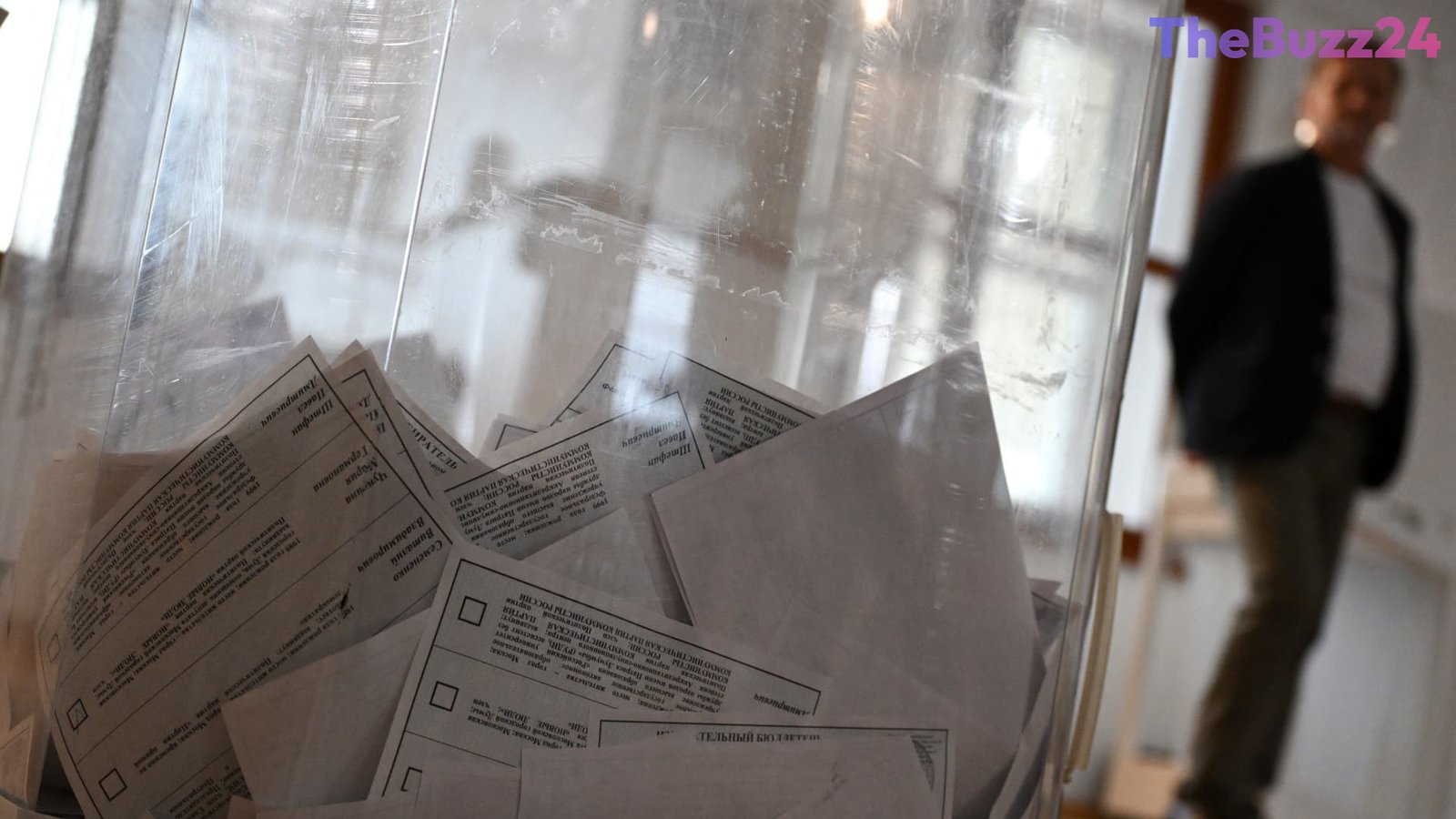
Russia’s ruling United Russia party has secured a decisive victory in the recent parliamentary election, an outcome President Vladimir Putin had positioned as a critical measure of public support for the ongoing conflict in Ukraine. Initial official results indicated the party was comfortably leading with 57.5% of the vote, solidifying its dominance within a political system that critics argue offers little room for genuine dissent. Other systemic parties, including the Communists, the ultra-nationalist LDPR, the New People party, and Just Russia, also appeared set to gain seats in the State Duma, Russia’s lower house of parliament, despite largely aligning with United Russia on major policy issues. Dmitry Medvedev, deputy chairman of Russia’s Security Council and a former president, swiftly lauded United Russia’s performance, interpreting the results as a clear mandate from the Russian populace for continued governance.
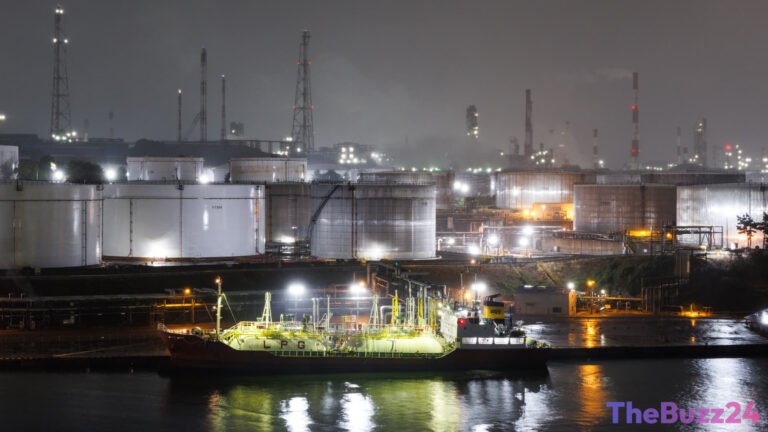
The election unfolded amidst a backdrop of significant Ukrainian drone attacks targeting the Russian capital and other regions. Russian government officials accused Kyiv of attempting to disrupt the electoral process, marking the first nationwide vote since the full-scale conflict began in February 2022. These drone strikes reportedly resulted in three fatalities in the Moscow region and two more in the Russian-held part of Ukraine’s Kherson region, including an election official. A facility at Moscow’s oil refinery, a previous target, also sustained damage, with large plumes of smoke visible as voting commenced. Moscow Mayor Sergei Sobyanin stated on Telegram that an “unprecedented attack” had been repelled, asserting that the enemy failed in its aim to disrupt the elections. Russia’s Defence Ministry further reported downing nearly 2,000 Ukrainian drones and 8 Flamingo cruise missiles, vowing to intensify its own strikes on Ukrainian military targets in retaliation.
Beyond the physical attacks, election authorities reported that voting systems were subjected to waves of cyberattacks, though they maintained that the electoral process proceeded mostly smoothly. Meanwhile, Russia’s opposition in exile had urged those against the authorities to gather at polling stations at noon as a form of protest, leading to visible queues in some areas, though the overall impact on the election’s outcome remained unclear. The Kremlin is expected to leverage these results to demonstrate broad public backing for President Putin’s policies and the protracted conflict, now in its third year. Central Election Commission Chairwoman Ella Pamfilova asserted that the attacks had not deterred voters, instead fostering an “unprecedented level of public unity.”
Anti-war candidates were largely barred from the ballot, and those from the liberal Yabloko party, which has historically struggled for support but hoped to capitalize on war fatigue, expressed concerns for their freedom following lengthy jail terms handed to senior party figures for comments on the conflict. Discrediting the army or disseminating information deemed “fake news” by authorities carries severe penalties. In a symbolic act of defiance, Yabloko leader Nikolai Rybakov publicly spoiled his ballot, inscribing his party’s name and the slogan “For peace.” The Kremlin maintains that national unity and certain censorship measures are essential during what it terms its “special military operation,” framing the conflict as an existential struggle against a hostile West and accusing Ukrainian intelligence of fomenting unrest within Russia. While Kyiv has dismissed the Russian vote as a “pseudo election,” the Berlin-based NEST think tank suggested that despite the predictable outcome, economic strains could lead to votes for systemic opposition parties like the Communists and New People, creating “awkward moments” for the Kremlin.
Key Takeaways
- United Russia secured a decisive victory in the parliamentary election, which President Putin framed as a mandate for the ongoing conflict in Ukraine.
- The election was overshadowed by significant Ukrainian drone attacks on Moscow and other Russian regions, which Russian officials claimed were attempts to disrupt the vote.
- Despite claims of widespread public unity by authorities, the election took place within a tightly controlled political system, with opposition voices largely suppressed and facing legal repercussions.
Editor’s Analysis & Impact
The outcome of Russia’s parliamentary election, solidifying United Russia’s dominance, reinforces the current political trajectory and President Putin’s authority amidst the ongoing conflict. While the election itself had limited direct market impact due to its predictable nature, the underlying economic strains, as highlighted by the NEST think tank, could subtly influence domestic policy and resource allocation in the future. The reported cyberattacks and drone strikes during the voting period underscore the escalating hybrid nature of the conflict, extending beyond traditional battlefields into information warfare and critical infrastructure targeting. This result suggests a prolonged period of geopolitical tension, continued military operations, and a firm domestic policy focused on internal consolidation within Russia.
Frequently Asked Questions
Q: What was the main outcome of the Russian parliamentary election?
A: The ruling United Russia party secured a significant victory, with initial results showing them comfortably ahead with 57.5% of the vote, reinforcing President Vladimir Putin's political authority.
Q: How did Ukraine respond during the election period?
A: Ukraine launched a massive drone attack on Moscow and other Russian regions, which Russian officials described as an attempt to disrupt the election. These attacks reportedly caused casualties and damaged infrastructure.
Q: What was the significance of this election for Russia's leadership?
A: President Vladimir Putin framed the election as a crucial test of public support for the ongoing conflict in Ukraine. The results are likely to be presented by the Kremlin as evidence of national unity and backing for its policies.
AI Disclosure: This article is based on verified data and official reports. Our Team and AI have cross-referenced every financial detail with primary sources to ensure total accuracy.
More from this Category