Unlocking Mars’ Past: Perseverance Discovers Ghostly Silica-Rich Rocks in Idubi Region
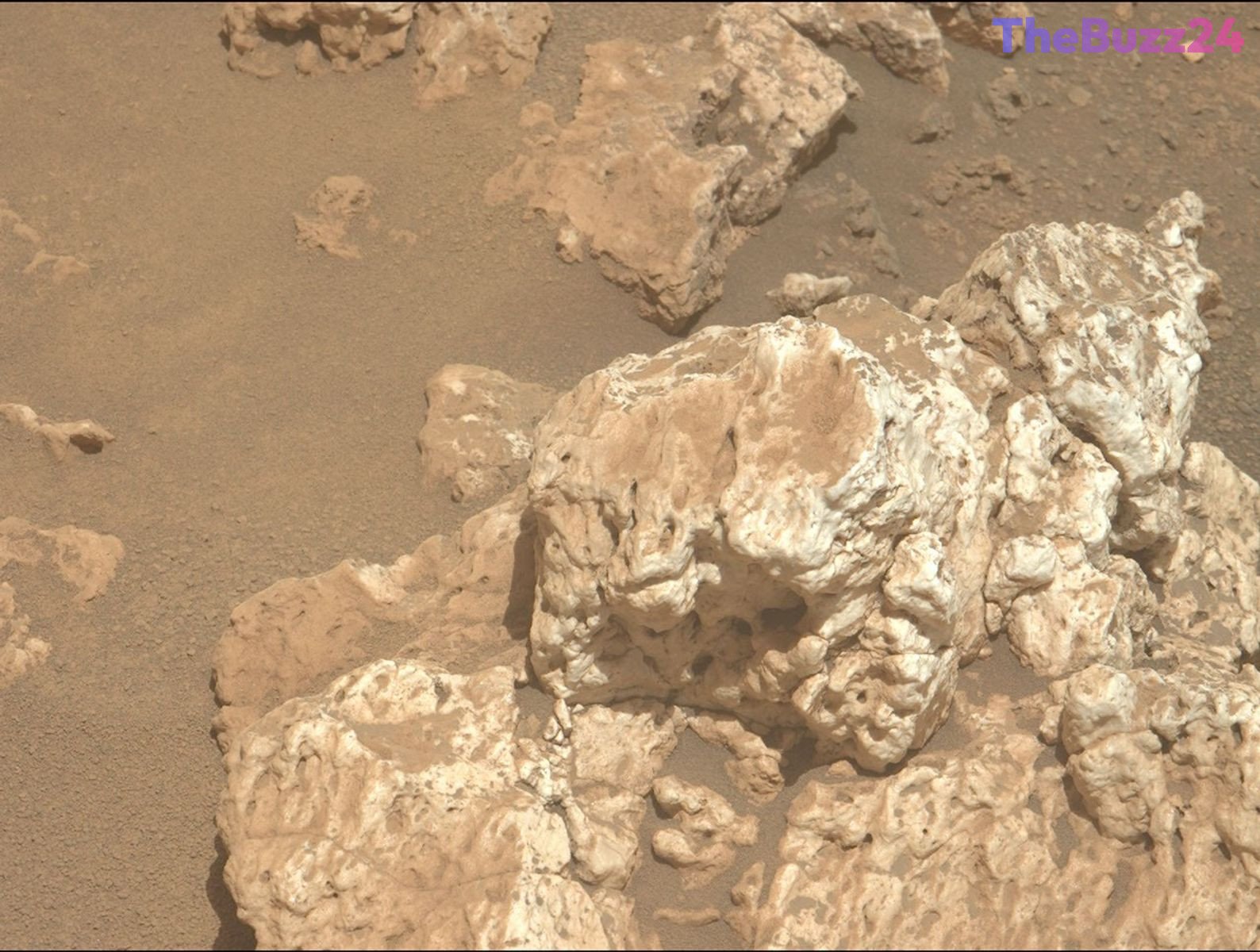
The Mars Perseverance rover has recently turned its scientific instruments toward a striking cluster of pale, light-toned rocks located in the ‘Idubi’ area, situated just outside Jezero Crater’s Lac de Charmes region. These ghostly remnants stand in sharp contrast to the darker, dust-laden Martian terrain surrounding them, immediately drawing the attention of researchers tracking the planet’s geological evolution.
Recent data beamed back from the rover’s SuperCam instrument has dispelled initial theories that these bright fragments were of igneous origin. Instead, chemical analysis confirms they are heavily enriched with hydrated silica. On Earth, such mineral deposits typically precipitate out of aqueous environments, including groundwater circulation, hydrothermal activity, and soil-forming processes, signaling a complex and active historical water cycle on the Red Planet.
The discovery holds profound implications for astrobiology. Hydrated silica is celebrated not only as a marker of ancient habitable environments but also for its exceptional ability to encapsulate and preserve microscopic biosignatures over billions of years. While past encounters with silica deposits on Jezero Crater’s inner rim proved too diminutive for close-up analysis, the Idubi outcrop provides a robust scale for detailed proximity science investigations, which are currently underway to unravel the secrets of Mars’ watery past.
Key Takeaways
- The Perseverance rover discovered a cluster of unusually bright, light-toned rocks in the 'Idubi' area outside Jezero Crater.
- SuperCam data confirmed these rocks are rich in hydrated silica, pointing to ancient aqueous activity on Mars.
- Hydrated silica is a prime astrobiological target due to its unique capability to preserve microfossils and signs of ancient life.
Editor’s Analysis & Impact
The discovery of extensive hydrated silica deposits by the Perseverance rover represents a significant milestone in planetary science and astrobiological research. As space agencies globally shift focus toward finding definitive biosignatures, finding well-scaled outcrops of silica-rich rocks offers an unprecedented laboratory environment on Mars. Unlike previous encounters where deposits were too small for comprehensive instrument deployment, the Idubi region provides a viable target for high-resolution proximity science. This development not only refines our understanding of ancient Martian hydrology—shifting from broad regional assessments to localized hydrothermal or groundwater dynamics—but also directly influences target selection for future sample return missions. If these formations successfully yield preserved microfossils, it could fundamentally alter our understanding of life’s distribution in the cosmos, driving future robotic and eventual human exploration priorities.
Frequently Asked Questions
Q: What are the bright rocks found in the Idubi area made of?
A: Data from the SuperCam instrument confirms that these light-toned rocks are rich in hydrated silica, indicating they formed in ancient aqueous environments.
Q: Why are silica-rich rocks important in the search for alien life?
A: Hydrated silica is significant in astrobiology because it forms in water-rich environments that could have supported life and possesses a remarkable capacity to preserve microfossils.
Q: Where is the Idubi area located?
A: The Idubi area is a region of ancient Martian crust exposed in the 'Lac de Charmes' region, located outside of Jezero Crater.
AI Disclosure: This article is based on verified data and official reports. Our Team and AI have cross-referenced every financial detail with primary sources to ensure total accuracy.
More from this Category