US and China Extend Trade Truce Amidst High-Level State Visit
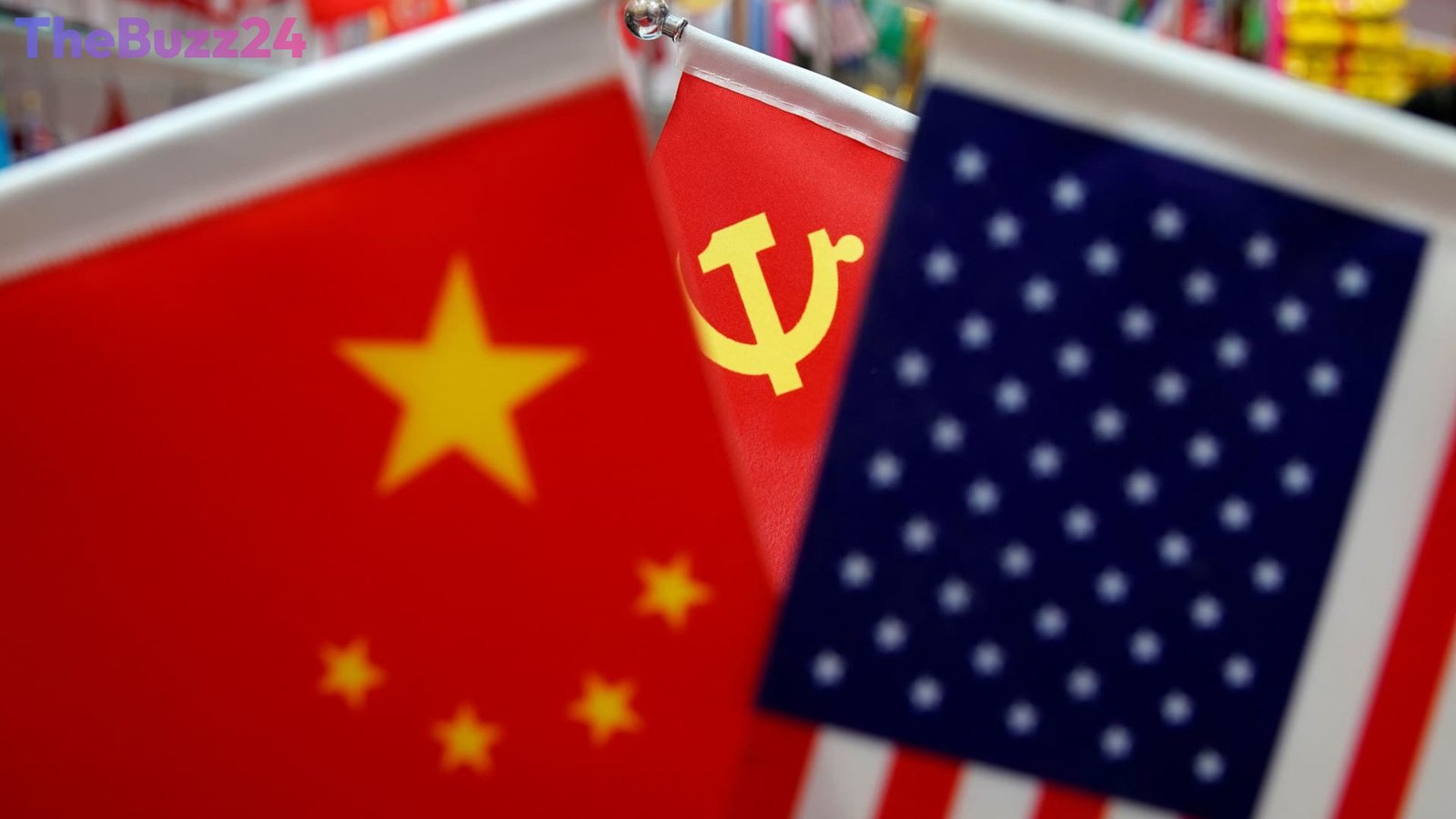
The United States and China have agreed to extend their trade truce by two months, pushing the deadline to January 10. This extension comes as Chinese President Xi Jinping commences a state visit to Washington D.C., scheduled to last through Friday.
U.S. Treasury Secretary Scott Bessent confirmed the extension, emphasizing its role in maintaining lower tariffs and ensuring the continued flow of rare earth minerals. The original trade truce, established in October of the previous year, was set to expire next month. This renewed agreement provides additional time for negotiations and aims to de-escalate trade tensions between the world’s two largest economies.
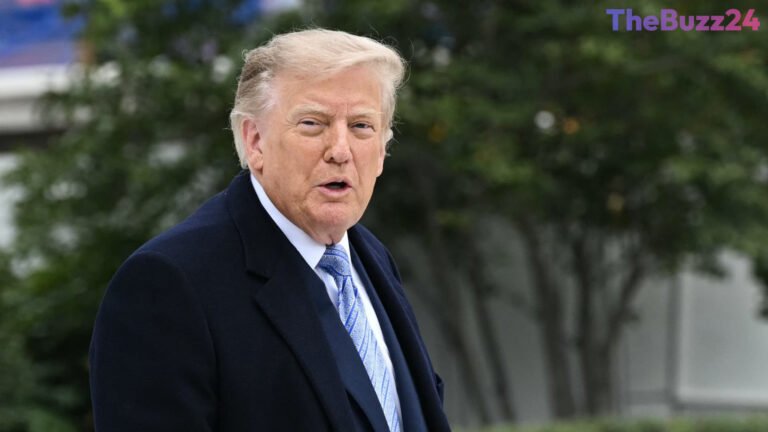
President Xi’s arrival in Washington was marked by a formal reception, with footage from Chinese state media showing President Donald Trump and First Lady Melania Trump greeting President Xi and First Lady Peng Liyuan. While the meeting is expected to cover a range of bilateral issues, including trade and potential cooperation on artificial intelligence, some analysts suggest the extension indicates ongoing dissatisfaction with China’s trade practices. The extended truce is seen by some as a strategic move to maintain pressure on Beijing while facilitating further dialogue.
Despite the extension, business leaders express concerns that a simple truce does not resolve underlying challenges. Issues such as the standardization of rare earth export licenses remain a point of contention for international companies operating in China. President Xi, in his arrival remarks, expressed optimism for a productive visit, advocating for a partnership rather than rivalry and emphasizing the need for managed competition and differences to foster a stable bilateral relationship.
Key Takeaways
- The US and China have extended their trade truce by two months, now expiring on January 10.
- The extension aims to maintain lower tariffs and ensure the flow of rare earth minerals.
- Chinese President Xi Jinping is in Washington D.C. for a state visit, coinciding with the trade truce extension.
Editor’s Analysis & Impact
The two-month extension of the US-China trade truce signals a cautious approach to managing the complex economic relationship between the two global powers. While providing breathing room for further negotiations, it underscores the persistent disagreements on trade practices and market access. The timing, coinciding with President Xi’s state visit, highlights the high stakes involved in these discussions. The focus on rare earths and potential AI incident alerts suggests these specific sectors remain critical points of both contention and potential cooperation. The market will be closely watching for concrete outcomes beyond the extension, as companies seek greater clarity and stability in trade policies.
Frequently Asked Questions
Q: What is the primary purpose of the trade truce extension?
A: The trade truce extension is primarily aimed at keeping tariffs lower for longer and ensuring the continued flow of rare earth minerals between the United States and China, providing more time for diplomatic negotiations.
Q: What are some of the challenges companies face despite the truce extension?
A: Companies continue to face challenges such as the lack of a standardized approach to applying for rare earth export licenses, indicating that the truce extension does not fully address all operational difficulties.
Q: What other topics are being discussed during President Xi's visit?
A: Beyond trade, discussions are expected to cover a range of bilateral issues, including potential cooperation on artificial intelligence and geopolitical matters such as the Iran war.
AI Disclosure: This article is based on verified data and official reports. Our Team and AI have cross-referenced every financial detail with primary sources to ensure total accuracy.
More from this Category