US Automakers Demand Permanent Ban on Chinese Connected Vehicles
A coalition of major automotive manufacturers operating within the United States is intensifying its appeal to Congress, advocating for a permanent prohibition on the sale, importation, and domestic production of Chinese connected vehicles, along with their associated hardware and software. The Alliance for Automotive Innovation, a prominent industry group representing a significant portion of vehicle sellers in the U.S., has formally requested that lawmakers enact this ban before the conclusion of the current congressional session on January 3rd.
In a letter addressed to congressional leaders, the Alliance’s CEO, John Bozzella, highlighted concerns over Chinese automakers allegedly “dumping subsidized vehicles with connected software and hardware around the world.” While acknowledging that this practice has not yet materialized within the U.S. market, Bozzella emphasized the substantial and immediate nature of the threat, urging a swift legislative response to establish a comprehensive ban on Chinese vehicles, software, and hardware.
This push comes amidst ongoing bipartisan discussions in both the House and Senate aimed at addressing potential risks posed by Chinese automotive technology. These efforts include legislative proposals that could impact foreign automakers with significant Chinese investment. The Alliance, which counts companies like Mercedes-Benz among its members, has expressed a desire to collaborate with legislators to craft a policy that ensures the continued success and growth of its member companies within the American market, while also addressing national security concerns.
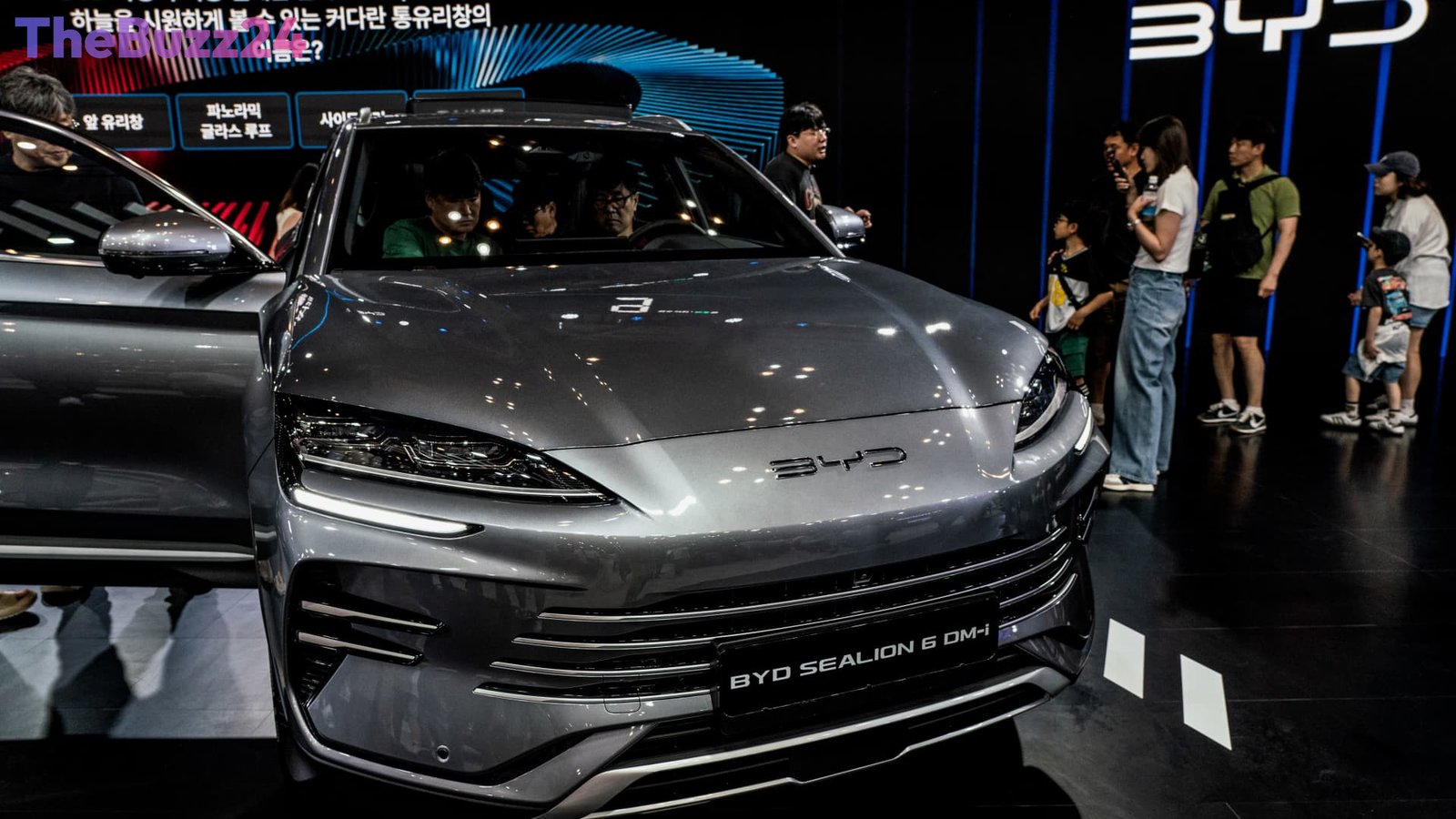
Industry leaders are increasingly apprehensive about the growing global market share of Chinese manufacturers such as BYD and Geely. These companies are perceived as potentially undermining vehicle pricing and posing a threat to domestic automotive production capabilities, evidenced by their expanding vehicle exports to regions like Europe and South America. The proposed ban is framed not only as an economic safeguard but also as a national security measure, intended to counter what is described as China’s strategy to achieve global dominance in automotive manufacturing.
Key Takeaways
- Major U.S. automakers are lobbying Congress for a permanent ban on Chinese connected vehicles, hardware, and software.
- The Alliance for Automotive Innovation cites concerns over subsidized vehicles and potential national security risks.
- The industry group urges legislative action before the current congressional session ends on January 3rd.
Editor’s Analysis & Impact
This concerted effort by U.S. automakers signals a significant escalation in the trade and technology competition between the United States and China within the critical automotive sector. The focus on ‘connected vehicles’ highlights the growing importance of software and data security in modern automobiles, extending beyond traditional manufacturing concerns. Should Congress enact such a ban, it could reshape global supply chains, potentially accelerate the development of domestic automotive technology, and lead to retaliatory measures from China. The outcome will likely depend on the interplay between national security arguments, economic interests of various stakeholders, and the political climate leading up to legislative deadlines.
Frequently Asked Questions
Q: What is the primary concern driving the automakers' request?
A: The primary concerns are the potential national security risks associated with Chinese connected vehicles, hardware, and software, as well as the threat of subsidized Chinese vehicles flooding the market and undercutting domestic production.
Q: Which industry group is leading this push?
A: The Alliance for Automotive Innovation, which represents a large number of companies selling vehicles in the U.S., is leading this lobbying effort.
Q: What is the deadline for this legislative action?
A: The automakers are urging Congress to enact the ban before the end of its current session on January 3rd.
AI Disclosure: This article is based on verified data and official reports. Our Team and AI have cross-referenced every financial detail with primary sources to ensure total accuracy.
More from this Category