Tensions Surge as U.S. Implements Naval Blockade on Iranian Ports
The United States has initiated a naval blockade targeting Iranian ports, a strategic escalation that has sparked immediate international concern and heightened fears of a wider regional conflict. The operation, which began on Monday, follows the collapse of peace negotiations previously held in Pakistan. Washington officials state that the blockade is designed to pressure Tehran into abandoning its nuclear program, while also serving as a direct response to historical Iranian interference with maritime traffic in the critical Strait of Hormuz.
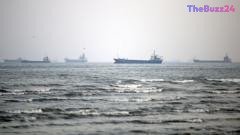
China has emerged as a primary critic of the maneuver, labeling the action as both dangerous and irresponsible. As the largest importer of Iranian oil, Beijing has expressed significant alarm regarding the potential for severe economic disruption and the destabilization of global energy markets. Although the U.S. military maintains that the blockade is calibrated to isolate Iranian ports without impeding international shipping lanes, the situation remains highly volatile. Despite the increased naval presence, maritime tracking data indicates that several vessels associated with Iran have successfully navigated the strait since the operation commenced.
The geopolitical landscape is further complicated by U.S. warnings regarding potential military support for Iran, specifically concerning the alleged transfer of advanced air defense systems. Beijing has categorically denied these claims, characterizing them as fabrications, and has threatened to implement countermeasures should the U.S. proceed with proposed tariffs on Chinese goods. Meanwhile, the broader region remains fragile, with ongoing military operations involving Israel and Hezbollah, and a tenuous ceasefire between Washington and Tehran—established in April—now under extreme pressure due to unresolved disputes over maritime access and regional alliances.
Key Takeaways
- The U.S. has launched a naval blockade of Iranian ports following the failure of recent diplomatic peace talks.
- China has condemned the blockade, citing threats to global energy security, while denying U.S. allegations of providing military aid to Iran.
- Despite the naval presence, shipping data shows that Iranian-linked vessels continue to transit the Strait of Hormuz, highlighting the difficulty of enforcing the blockade.
Editor’s Analysis & Impact
The naval blockade of Iranian ports marks a dangerous shift in the U.S.-Iran standoff, moving from diplomatic posturing to direct economic and military pressure. By targeting Iran’s primary revenue stream, the U.S. is testing the limits of Tehran’s nuclear resolve, yet this strategy risks triggering a broader conflict in one of the world’s most vital maritime chokepoints. The involvement of China introduces a significant economic dimension; any sustained disruption to oil flows could lead to global inflationary shocks and a potential trade war between the world’s two largest economies. With diplomatic channels effectively frozen and regional conflicts involving Israel and Hezbollah intensifying, the outlook is one of prolonged instability. The risk of miscalculation remains high, as the current environment leaves little room for de-escalation without a major shift in policy from either Washington or Tehran.
Frequently Asked Questions
Q: What is the primary objective of the U.S. naval blockade on Iran?
A: The U.S. government claims the blockade is intended to force Iran to abandon its nuclear program and to act as a deterrent against future interference with maritime traffic in the Strait of Hormuz.
Q: How has China reacted to the U.S. naval operations?
A: China has strongly criticized the blockade, citing risks to global energy supplies and economic stability, and has denied U.S. allegations that it is providing military support to Iran.
AI Disclosure: This article is based on verified data and official reports. Our Team and AI have cross-referenced every financial detail with primary sources to ensure total accuracy.
More from this Category