US House Passes Resolution to Limit Presidential War Powers Regarding Iran
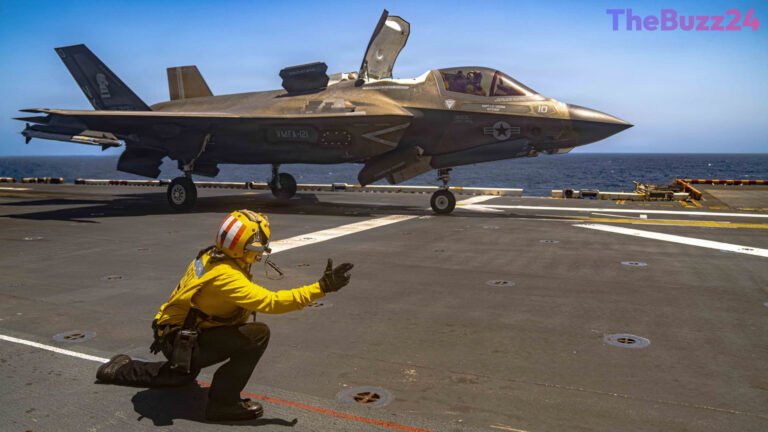
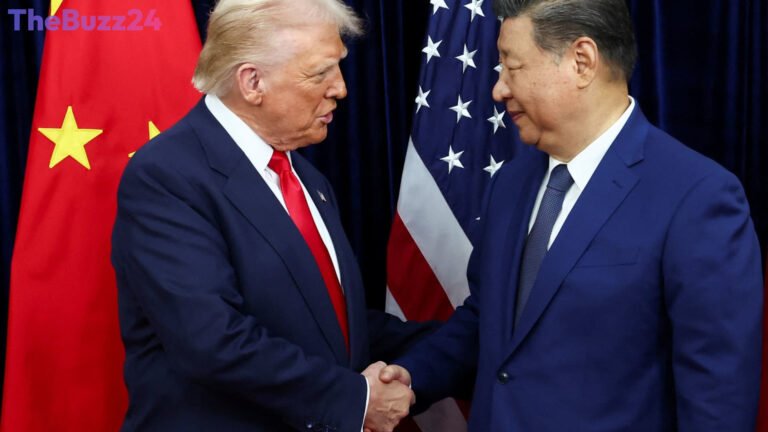
The United States House of Representatives has approved a legislative measure aimed at restricting President Donald Trump’s authority to conduct further military operations against Iran. The resolution passed with a 215-208 vote, highlighting a rare moment of bipartisan cooperation as four Republicans joined the Democratic majority to express disapproval of the ongoing conflict, which escalated significantly in February.
This legislative action represents the fourth attempt by the House to assert congressional oversight over war powers, a move critics argue is necessary due to the lack of formal authorization for the current military engagement. Despite the House’s stance, the resolution faces a difficult path forward, as it requires approval from the Republican-controlled Senate. Even if the measure were to clear both chambers, analysts suggest it may have limited practical impact on the administration’s ability to continue military maneuvers.
The vote underscores growing internal friction within the Republican Party regarding foreign policy and executive overreach. Supporters of the resolution, including Representative Gregory Meeks, characterized the vote as a vital step toward ending an open-ended conflict that has contributed to rising domestic fuel prices and complicated diplomatic efforts concerning Iran’s nuclear program. Meanwhile, the administration maintains that negotiations for a ceasefire and a long-term resolution are progressing, even as military strikes continue to occur in the region.
Key Takeaways
- The House passed a resolution with a 215-208 vote to limit President Trump's military authority in Iran.
- The measure faces significant hurdles in the Republican-controlled Senate and may not fully halt ongoing military actions.
- The vote highlights a growing bipartisan concern regarding the lack of formal congressional approval for the current conflict.
Editor’s Analysis & Impact
The House vote serves as a symbolic and constitutional challenge to the expansion of executive war powers. By crossing party lines, the representatives are signaling to the White House that the appetite for ‘forever wars’ in the Middle East is waning among both the electorate and lawmakers. From a market perspective, the volatility in the region—specifically the disruption of the Strait of Hormuz—has already impacted global energy prices. A legislative push to curb military action suggests that the political cost of the conflict is rising, potentially forcing the administration to prioritize a diplomatic exit strategy over continued kinetic engagement. The future outlook remains uncertain, as the Senate’s reluctance to act suggests that the executive branch will likely retain significant operational flexibility in the near term, keeping geopolitical risk premiums elevated for global markets.
Frequently Asked Questions
Q: Does this resolution immediately stop all military action in Iran?
A: No. The resolution still requires approval from the Senate, and even if passed, it may not have the legal force to immediately halt all military operations currently underway.
Q: Why is this vote considered significant?
A: It is significant because it represents a bipartisan effort to reassert Congress's constitutional role in declaring war and reflects growing dissatisfaction with the administration's handling of the conflict in the Middle East.
AI Disclosure: This article is based on verified data and official reports. Our Team and AI have cross-referenced every financial detail with primary sources to ensure total accuracy.
More from this Category