US Military Disables Cargo Ship Attempting to Breach Iranian Blockade
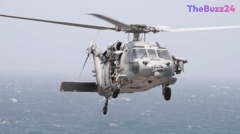
A United States military helicopter successfully disabled a Panama-flagged cargo ship, the M/V Vela Nova, after the vessel attempted to bypass a long-standing blockade of Iranian ports. According to U.S. Central Command, an MH-60 aircraft deployed two Hellfire missiles into the ship’s engine room while it was transiting the Gulf of Oman on Tuesday. The action was taken after the civilian crew reportedly ignored multiple warnings from American forces to alter their course.
The incident marks another escalation in the ongoing maritime tensions that have persisted since the conflict between the U.S., Israel, and Iran began in late February. The U.S. blockade, which remains in full effect, has seen the redirection of 55 commercial vessels and the disabling of three non-compliant ships to date. While the M/V Vela Nova is no longer heading toward Iran, officials have not disclosed information regarding potential casualties among the crew.
The broader maritime environment remains volatile, as the Strait of Hormuz—a critical artery for global energy supplies—remains effectively closed. This closure has caused significant instability in oil and liquefied natural gas markets. Efforts by international mediators to negotiate a reopening of the waterway have stalled following the collapse of a ceasefire in June, leading to intermittent exchanges of fire between U.S. forces and Iranian-backed entities.
Simultaneously, regional instability continues to mount as Yemen’s Houthi rebels reportedly conducted a deadly strike on a separate cargo ship in the Red Sea. The attack, which resulted in six deaths and ten injuries, targeted a vessel allegedly carrying Saudi military equipment. This event underscores the widening scope of the conflict, as various factions continue to leverage maritime disruption as a strategic tool in the ongoing regional war.
Key Takeaways
- A U.S. military helicopter disabled the M/V Vela Nova using Hellfire missiles after the ship ignored warnings to avoid Iranian ports.
- The U.S. has successfully redirected 55 vessels and disabled three others as part of its ongoing blockade strategy.
- Regional maritime security is deteriorating, evidenced by a separate deadly Houthi attack on a cargo ship in the Red Sea.
Editor’s Analysis & Impact
The recent escalation in the Gulf of Oman highlights the precarious state of global energy security and maritime logistics. By targeting the propulsion systems of blockade-runners, the U.S. is signaling a shift toward more aggressive enforcement of its maritime policies. However, this strategy carries significant risks, as it further militarizes a critical global shipping lane already suffering from the closure of the Strait of Hormuz. The market impact is clear: continued volatility in energy prices is likely as long as the blockade persists and regional proxies like the Houthis continue to target commercial shipping. Investors and global trade stakeholders should prepare for sustained supply chain disruptions and increased insurance premiums for vessels operating in the Middle East, as the conflict shows no signs of a diplomatic resolution in the near term.
Frequently Asked Questions
Q: Why did the U.S. military fire upon the M/V Vela Nova?
A: The ship was attempting to breach a U.S.-enforced blockade of Iranian ports and failed to respond to repeated warnings from American forces.
Q: What is the current status of the Strait of Hormuz?
A: The Strait of Hormuz is effectively closed to standard commercial traffic, contributing to significant fluctuations in global oil and gas prices.
AI Disclosure: This article is based on verified data and official reports. Our Team and AI have cross-referenced every financial detail with primary sources to ensure total accuracy.
More from this Category