Maritime Tensions Flare as U.S. Forces Intercept Iranian Cargo Vessel in Persian Gulf
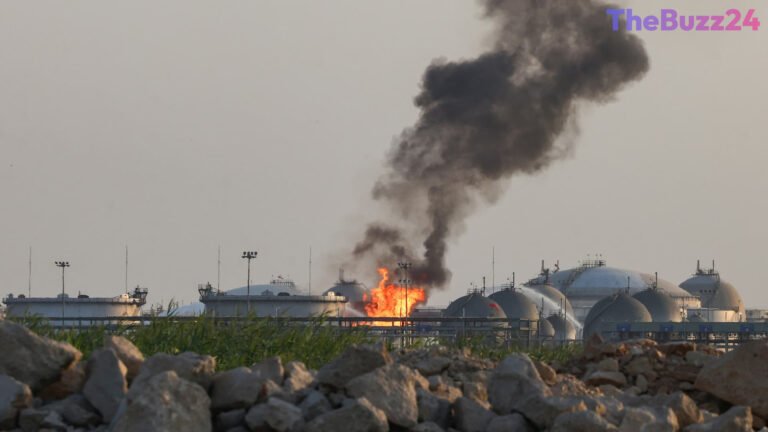
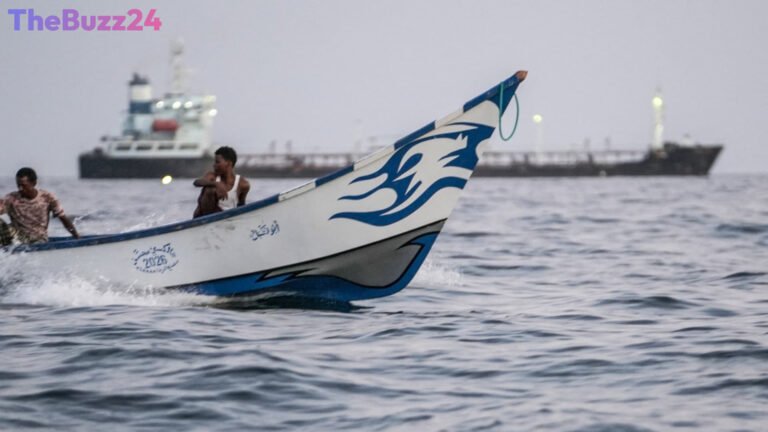
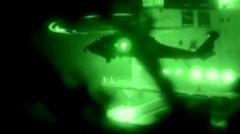
U.S. Marines conducted a tactical boarding of the Iranian-flagged cargo ship Touska in the Persian Gulf this week. The operation was initiated after the vessel reportedly ignored multiple directives to halt, prompting military personnel to move in and secure the craft. The encounter highlights the growing volatility in regional waters as naval forces attempt to enforce maritime protocols.
The seizure has drawn a fierce response from Tehran, where officials have denounced the maneuver as an act of state-sponsored piracy and a direct violation of existing ceasefire protocols. Iranian leadership has issued stern warnings regarding potential retaliation, a move that has raised significant concerns among international observers regarding the stability of critical global shipping lanes.
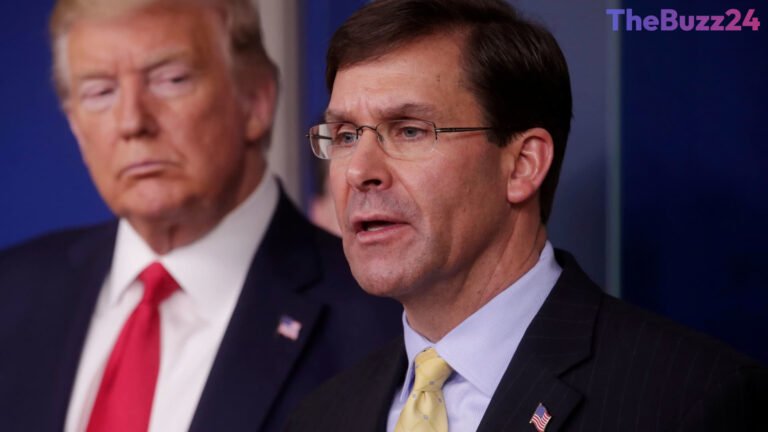
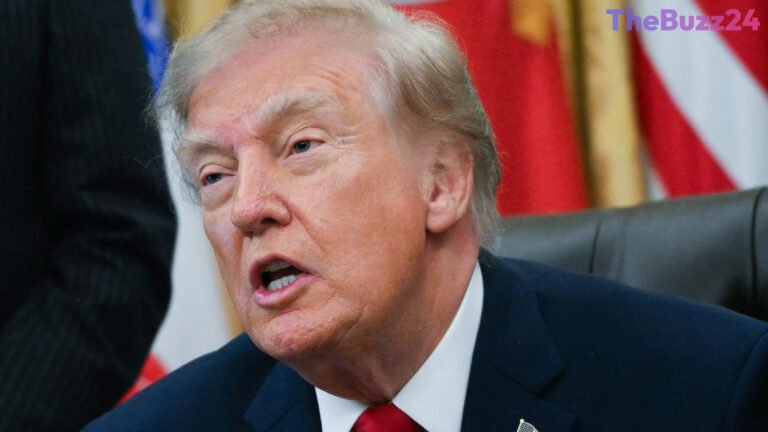
This confrontation occurs amidst a period of heightened diplomatic and military friction between Washington and Tehran. President Donald Trump has reaffirmed the necessity of the operation, stating that the U.S. remains committed to ensuring freedom of navigation within the Strait of Hormuz. Furthermore, the administration has called for increased cooperation from international allies to maintain the security of vital energy and trade routes in the region.
Key Takeaways
- U.S. Marines intercepted the Iranian cargo ship Touska after it failed to comply with maritime stop orders.
- Iran has condemned the boarding as an act of piracy and threatened retaliatory actions.
- The U.S. maintains the operation is vital for securing freedom of navigation in the Strait of Hormuz.
Editor’s Analysis & Impact
The interception of the Touska marks a dangerous escalation in the ongoing maritime standoff between the U.S. and Iran. By targeting a vessel in the Persian Gulf, the situation threatens to spill over into a larger conflict that could directly impact the Strait of Hormuz. Given that this waterway is a primary artery for global oil transit, any prolonged military posturing or actual closure of the strait would likely trigger massive volatility in global energy markets. This incident signals a shift toward more assertive U.S. maritime enforcement, which may provoke further aggressive responses from Tehran. Moving forward, the international community must prepare for heightened geopolitical friction and potential disruptions to global supply chains as both nations harden their stances.
Frequently Asked Questions
Q: What led to the boarding of the Touska?
A: The vessel reportedly ignored multiple commands to stop, necessitating a tactical boarding by U.S. Marines to secure the ship.
Q: How has Iran responded to the seizure?
A: Iran has labeled the action as state-sponsored piracy and a violation of ceasefire agreements, warning of potential retaliation.
Q: Why is the Strait of Hormuz significant to this situation?
A: The Strait of Hormuz is a critical international waterway for global oil transit; any instability in this region can have immediate and severe consequences for the global economy.
AI Disclosure: This article is based on verified data and official reports. Our Team and AI have cross-referenced every financial detail with primary sources to ensure total accuracy.
More from this Category