Volkswagen and Uber Launch Autonomous ID. Buzz Robotaxi Trials in Los Angeles
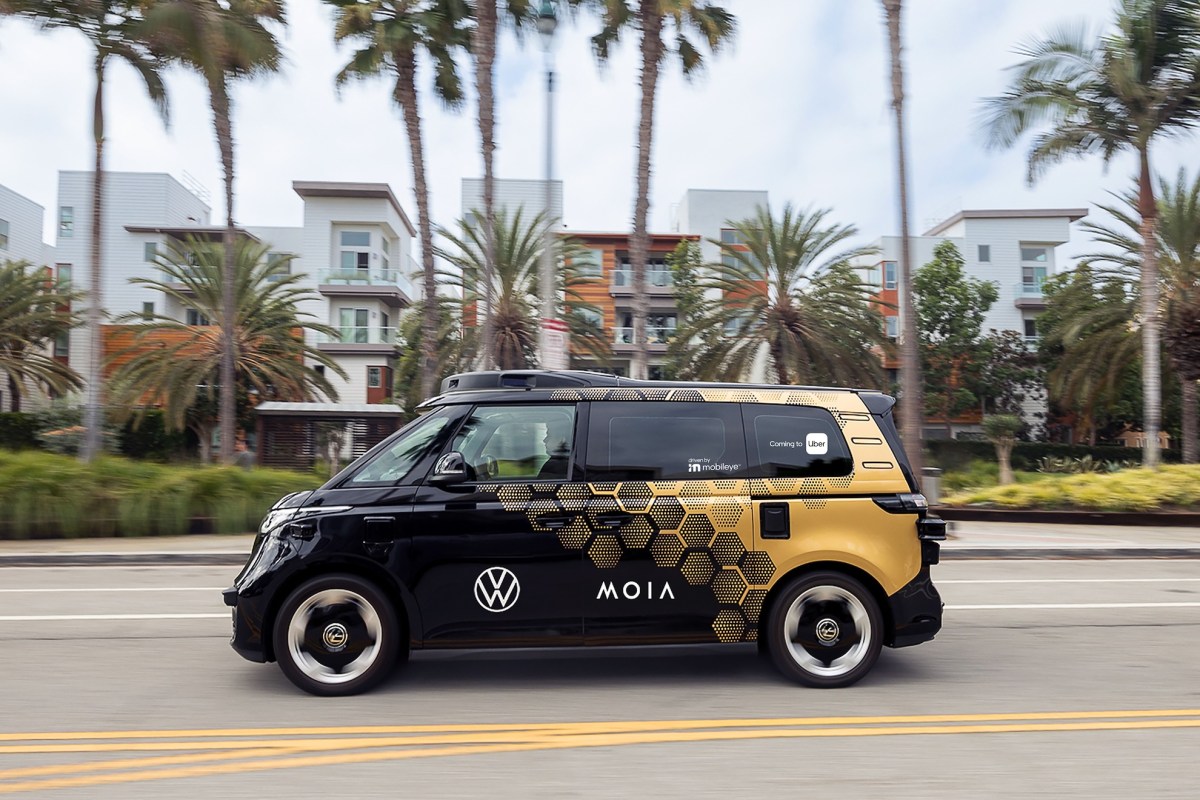
Volkswagen’s autonomous vehicle division, MOIA America, has officially launched road testing for its self-driving microbuses in Los Angeles. This initiative, conducted in partnership with ride-sharing leader Uber, represents a major step toward the companies’ shared goal of launching a commercial robotaxi service in major U.S. markets by late 2026. The pilot program utilizes autonomous versions of the all-electric Volkswagen ID. Buzz minivan, aiming to provide a sustainable and futuristic mobility option for dense urban centers.
Los Angeles was selected as the primary testing site due to its complex traffic landscape and the city’s openness to innovative transportation technologies. The current pilot phase features a fleet of ten autonomous ID. Buzz vehicles, each capable of transporting four passengers. To support these operations, the companies have established a specialized hub in the city to manage the fleet and monitor real-time performance data.
While the current testing involves a limited number of vehicles, Volkswagen plans to scale the fleet to over 100 units as the program matures. The rollout is following a phased approach: initially, human safety operators will remain behind the wheel to monitor the autonomous systems. The companies expect to transition to fully driverless operations by 2027. This project, formerly operating under the name Volkswagen ADMT, marks a significant milestone in the company’s efforts to move autonomous technology from theoretical development to practical, everyday use.
Key Takeaways
- Volkswagen and Uber have begun testing autonomous ID. Buzz robotaxis in Los Angeles with a fleet of ten vehicles.
- The companies are targeting a commercial launch for the robotaxi service by late 2026.
- Full driverless operations, removing the need for human safety operators, are scheduled to begin in 2027.
Editor’s Analysis & Impact
The collaboration between Volkswagen and Uber signals a maturing phase in the autonomous vehicle (AV) industry, shifting focus from pure research to commercial scalability. By utilizing the iconic ID. Buzz platform, Volkswagen is leveraging brand recognition to ease consumer apprehension regarding self-driving technology. The partnership is strategically significant; it combines Volkswagen’s hardware engineering prowess with Uber’s massive existing user base and logistics infrastructure. If successful, this model could set a blueprint for how legacy automakers and ride-sharing platforms integrate to disrupt urban transit. However, the path to 2027 remains subject to rigorous regulatory scrutiny and the technical challenges of navigating Los Angeles’ complex traffic. The success of this pilot will likely dictate the pace of AV adoption across other major U.S. metropolitan areas, potentially pressuring competitors to accelerate their own deployment timelines.
Frequently Asked Questions
Q: When is the commercial robotaxi service expected to launch?
A: The companies are aiming for an initial commercial launch of the robotaxi service in late 2026.
Q: Will there be human drivers in the vehicles during the initial testing phase?
A: Yes, the initial phase includes human safety operators in each vehicle to monitor the autonomous systems, with a transition to fully driverless operations planned for 2027.
AI Disclosure: This article is based on verified data and official reports. Our Team and AI have cross-referenced every financial detail with primary sources to ensure total accuracy.
More from this Category