Wall Street Braces for Potential Democratic Congressional Shift in Upcoming Midterms
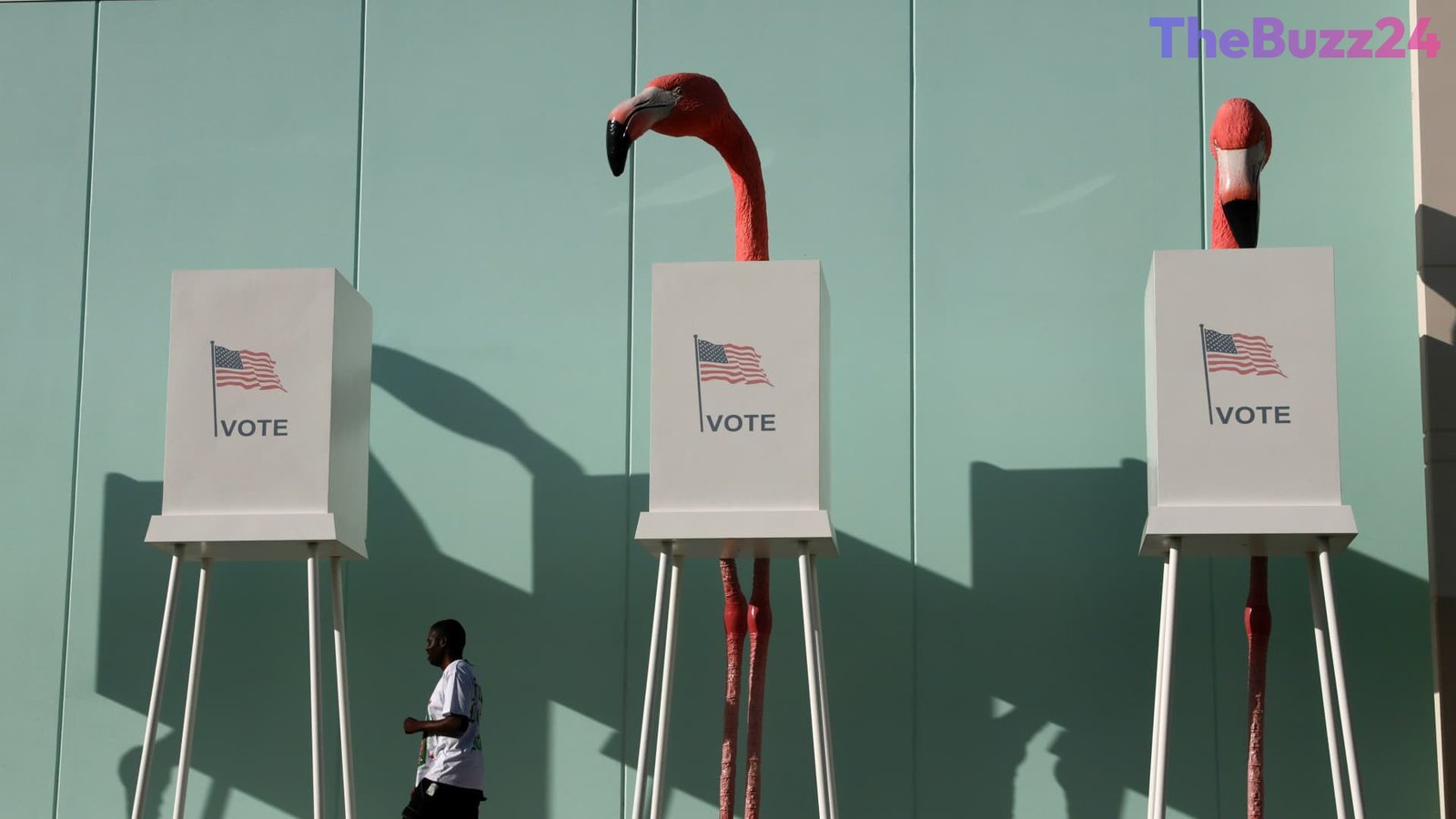
Financial markets are closely monitoring the political landscape as the upcoming midterm elections approach, with widespread expectations among analysts and investors for significant Democratic gains. Public polling data and market sentiment suggest a strong likelihood that Democrats will secure control of the House of Representatives, and many believe they are also within reach of a Senate majority. This potential shift in power would redefine the legislative environment for the remainder of President Donald Trump’s term.
While a Democratic-controlled Congress could signal a push for ambitious spending plans and policy changes, many on Wall Street anticipate that a divided government—with a Democratic Congress and a Republican President—would likely result in legislative gridlock. This scenario, where the President’s veto power could block major Democratic initiatives, is often viewed favorably by markets as it limits the potential for radical policy shifts. However, concerns persist regarding the specifics of a Democratic agenda, with some analyses projecting substantial increases to the national deficit from proposed policies.
Key issues on the horizon include the critical matter of the debt ceiling. If not addressed during the current lame-duck session, a Democratic Congress could use the debt ceiling as leverage, potentially leading to a standoff with the White House and Republicans. Such a confrontation could have severe economic consequences if a resolution is not reached. Furthermore, a Democratic-led Congress is expected to pursue investigations into companies and individuals associated with the Trump administration, utilizing subpoena powers inherent to committee majorities. A Democratic Senate could also play a crucial role in safeguarding the independence of the Federal Reserve by scrutinizing presidential nominees to the central bank.
Key Takeaways
- Wall Street widely anticipates Democrats will gain control of the House of Representatives and potentially the Senate in the upcoming midterm elections.
- Investors are weighing concerns over potential Democratic spending plans against the likelihood of legislative gridlock under a divided government, which markets often prefer.
- The debt ceiling and potential congressional investigations into the Trump administration are identified as critical issues that will emerge with a shift in power.
Editor’s Analysis & Impact
The anticipated shift in congressional power, particularly the prospect of a divided government, presents a complex outlook for markets. While a Democratic-controlled Congress might initially spark concerns over increased spending and regulatory changes, the likely gridlock with a Republican White House could temper these fears, as major legislative overhauls become less probable. This scenario often provides a degree of stability for investors, as it reduces policy uncertainty. However, the looming debt ceiling debate poses a significant risk, potentially leading to market volatility if a resolution is not found swiftly. Furthermore, increased oversight and investigations could impact specific sectors or companies, adding another layer of consideration for market participants navigating the evolving political landscape.
Frequently Asked Questions
Q: What is the primary expectation for the upcoming midterm elections?
A: The primary expectation among financial analysts and investors is that Democrats will gain control of the House of Representatives, with a strong possibility of also securing a majority in the Senate.
Q: How might a divided government affect policy implementation?
A: A divided government, where one party controls Congress and the other holds the presidency, typically leads to legislative gridlock. This means major policy initiatives from either side are less likely to pass, as the President's veto power can block congressional legislation, and Congress can obstruct presidential agendas.
Q: What is the significance of the debt ceiling in this political context?
A: The debt ceiling is a critical issue because if it's not raised, the U.S. government could default on its financial obligations, leading to severe economic consequences. With a potentially divided government, the debt ceiling could become a point of political leverage and contention, setting up a potential standoff between the parties.
AI Disclosure: This article is based on verified data and official reports. Our Team and AI have cross-referenced every financial detail with primary sources to ensure total accuracy.
More from this Category