Wall Street Pours Billions into Unassuming Industrial Outdoor Storage Lots as Rents Skyrocket
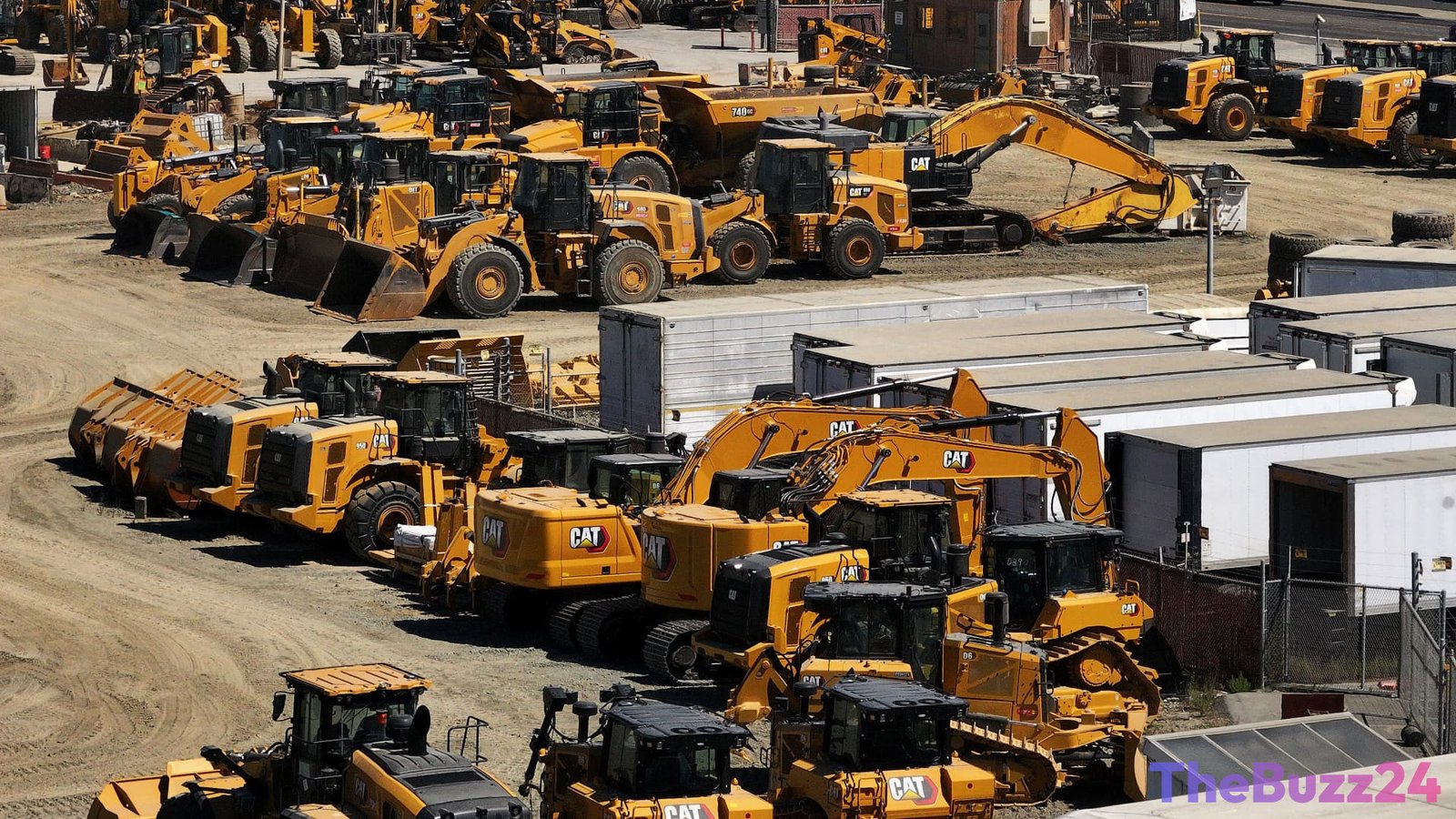
Wall Street giants are increasingly targeting a previously overlooked segment of the real estate market: industrial outdoor storage (IOS) lots. These unassuming parcels of land, often used for parking heavy equipment like bulldozers and trucks, are now attracting billions in institutional capital. Alternative asset management behemoths Brookfield and Blackstone are leading the charge, recognizing the significant potential in this fragmented sector.
The allure of IOS lies in its robust market performance and critical role in supply chains. Rents for these storage spaces have seen dramatic increases, more than doubling in key U.S. markets since 2020, outpacing traditional industrial real estate. This surge is driven by factors such as increased demand for heavy equipment, particularly with the build-out of AI infrastructure, and the scarcity of properly zoned sites. Brookfield, for instance, recently invested $1.2 billion to acquire Peakstone Realty Trust, adding over 70 industrial properties, predominantly outdoor storage yards, to its portfolio. Blackstone’s real estate debt arm has also committed over $1.1 billion in loans to IOS owners, including a substantial $244 million loan to Alterra IOS for 37 properties.
Despite the influx of institutional capital, real estate experts affirm that ample opportunities remain for individual and local investors. Smaller lots, typically three to five acres, are particularly attractive and can yield strong returns, especially in primary or secondary markets. The sector’s fragmented nature, with many properties still owned by smaller entities, means there’s still room for non-institutional players to acquire and develop assets. IOS properties also boast lower capital expenditure requirements and often offer higher yields—around one percentage point more than traditional industrial properties—making them appealing for family offices and private investors. Key markets like Baltimore, Houston, and Norfolk have witnessed exceptional rent growth, closely tied to local infrastructure and energy activity.
However, navigating the IOS market comes with its own set of challenges. Zoning regulations are a primary concern, as understanding a city’s long-term development plans is crucial to avoid investing in properties slated for phase-out. Financing can also be more complex for smaller buyers, who may face higher debt costs and stricter equity requirements compared to large institutions. Experts emphasize the importance of thorough due diligence, including assessing tenant demand, turnover rates, and market diversity. While institutional entry has increased competition and property values, strategic smaller-scale investments, focused on current rental income rather than speculative future sales, can still prove highly profitable.
Key Takeaways
- Wall Street giants like Brookfield and Blackstone are heavily investing in Industrial Outdoor Storage (IOS) lots, driven by soaring rents and a fragmented market.
- Rents for IOS properties have more than doubled since 2020 in major U.S. markets, outperforming traditional industrial real estate.
- Despite institutional entry, significant opportunities persist for individual and local investors, particularly in smaller lots, though challenges like zoning and financing require careful navigation.
Editor’s Analysis & Impact
The significant institutional investment in Industrial Outdoor Storage (IOS) signals a maturation of this previously niche real estate sector. This influx of capital from major players like Brookfield and Blackstone will likely lead to increased consolidation and professionalization within the industry, driving up property values and lease rates. The future outlook suggests continued strong rent growth, especially in areas with robust infrastructure and energy activity, but also heightened competition for prime assets. For smaller investors, this means a need for strategic focus on value-add opportunities in secondary markets or smaller parcels. Broader implications include a continued search for yield in alternative real estate assets, highlighting the critical and growing importance of logistics and supply chain infrastructure in the modern economy, particularly as demand for heavy equipment rises with projects like AI build-outs.
Frequently Asked Questions
Q: What is Industrial Outdoor Storage (IOS)?
A: Industrial Outdoor Storage (IOS) refers to undeveloped or lightly developed land parcels used for storing heavy industrial equipment, vehicles, materials, and other items that do not require indoor warehousing. These lots are crucial for logistics and supply chain operations.
Q: Why are major investors like Brookfield and Blackstone investing in IOS?
A: Investors are drawn to IOS due to its high rent growth (rents have more than doubled since 2020), its fragmented ownership structure offering consolidation opportunities, lower capital expenditure requirements compared to traditional industrial properties, and often higher yields. The increasing demand for heavy equipment, partly driven by infrastructure and AI build-out, also contributes to its appeal.
Q: Are there still opportunities for smaller, individual investors in the IOS market?
A: Yes, experts confirm that opportunities still exist for smaller investors, particularly in acquiring three to five-acre lots in primary or secondary markets. The lack of standardization in IOS properties and the fragmented ownership allow individual investors to find value-add deals, build portfolios for cash flow, or aggregate assets for a potential premium sale to institutional buyers.
AI Disclosure: This article is based on verified data and official reports. Our Team and AI have cross-referenced every financial detail with primary sources to ensure total accuracy.
More from this Category