Wall Street Rattled as Tesla and Alphabet Shares Plunge Amid Heavy AI Spending
Major technology equities experienced a sharp downturn following the release of quarterly financial reports from two industry giants. Tesla shares tumbled significantly, dropping 13 percent, while Alphabet saw its stock sink by over 7 percent. The sell-off was triggered by mounting market anxiety over escalating capital expenditures directed toward artificial intelligence infrastructure, robotics, and advanced semiconductor initiatives.
During their respective earnings calls, both corporations acknowledged that cash outflows would remain elevated as they race to secure a dominant position in the artificial intelligence sector. Alphabet escalated its full-year capital expenditure projections, citing an urgent need to expand capacity to satisfy surging market demand. Similarly, Tesla reported a staggering triple-digit percentage surge in quarterly capital spending compared to the previous year, with management emphasizing ongoing investments in proprietary semiconductor technology and humanoid robotics production lines.
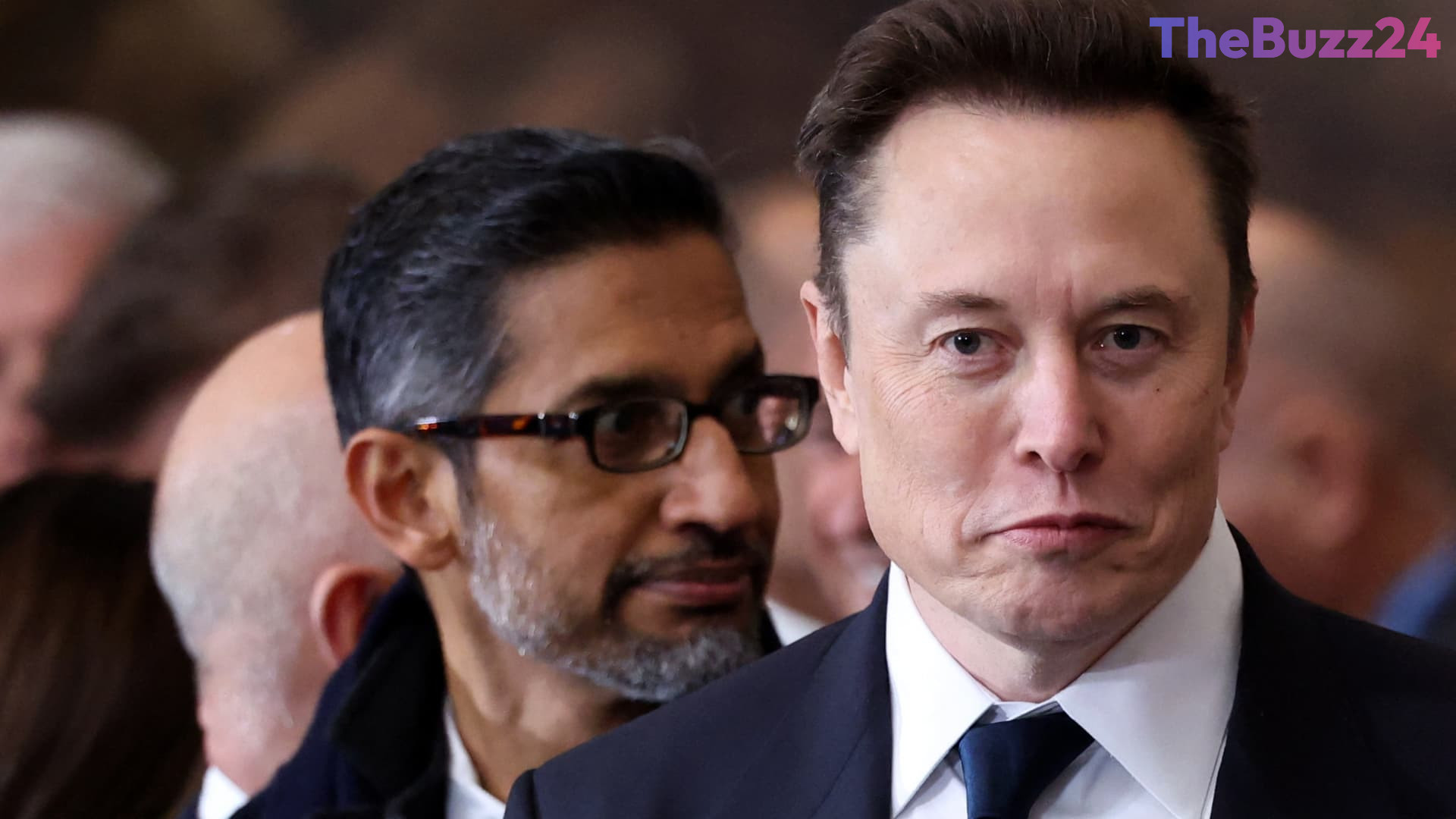
Despite the immediate negative reaction from Wall Street, executives from both companies defended the heavy outlays as necessary for long-term growth. Tesla Chief Executive Officer Elon Musk expressed strong confidence that these investments would generate unprecedented returns, pointing to upcoming milestones for the company’s autonomous and robotics programs. Concurrently, Alphabet highlighted positive developments within its cloud computing division, which posted a remarkable year-over-year revenue surge and expanding operating margins, signaling that early monetary returns on infrastructure spending are beginning to materialize.
Market analysts remain divided on the near-term outlook for these tech heavyweights. While skeptical investors focus heavily on compressed free cash flow and near-term margin pressures, proponents argue that the robust performance of cloud services and core automotive sales demonstrates underlying business strength. As the broader technology sector continues its aggressive pivot toward artificial intelligence, the ability of these corporations to successfully monetize their capital investments will remain a critical focal point for the financial markets.
Key Takeaways
- Tesla shares plunged 13% and Alphabet dropped over 7% following reports of significantly higher capital expenditures.
- Both companies reported negative free cash flow for the second quarter as they aggressively fund artificial intelligence and infrastructure development.
- Despite investor concerns, executives defended the spending, pointing to strong growth in Google Cloud revenue and promising progress in Tesla's robotics initiatives.
Editor’s Analysis & Impact
The recent market reaction to the capital expenditure strategies of Tesla and Alphabet highlights a growing tension on Wall Street. Investors are increasingly jittery about the ballooning costs associated with the global artificial intelligence boom, particularly as immediate returns remain difficult to quantify for certain hardware and experimental projects. However, the impressive growth seen in Google’s cloud computing division suggests that foundational investments are beginning to bear fruit. Looking forward, tech giants will face intense scrutiny to prove that billions in capital outlay can translate into sustainable, high-margin revenue streams rather than merely driving up operational costs. This dynamic could trigger increased market volatility for growth stocks as the industry navigates the awkward transition phase from heavy infrastructure buildout to mature commercial monetization.
Frequently Asked Questions
Q: Why did Tesla and Alphabet stocks drop?
A: Both companies announced significantly higher capital expenditure forecasts dedicated to artificial intelligence, robotics, and cloud infrastructure, which spooked investors concerned about mounting costs and negative free cash flow.
Q: How much did Tesla's capital expenditures increase?
A: Tesla reported that its quarterly capital expenditures surged 142% year-on-year to $5.79 billion, with expectations to surpass $25 billion in total capital spending for the year.
Q: Were there any positive financial highlights despite the spending?
A: Yes, Google's cloud revenue jumped 82% year-on-year to $24.8 billion with an expanded operating margin, while Tesla's core automotive revenue grew by 23%.
AI Disclosure: This article is based on verified data and official reports. Our Team and AI have cross-referenced every financial detail with primary sources to ensure total accuracy.
More from this Category