Waymo Accelerates Robotaxi Expansion, Focusing on Texas with New Chinese-Built Minivans
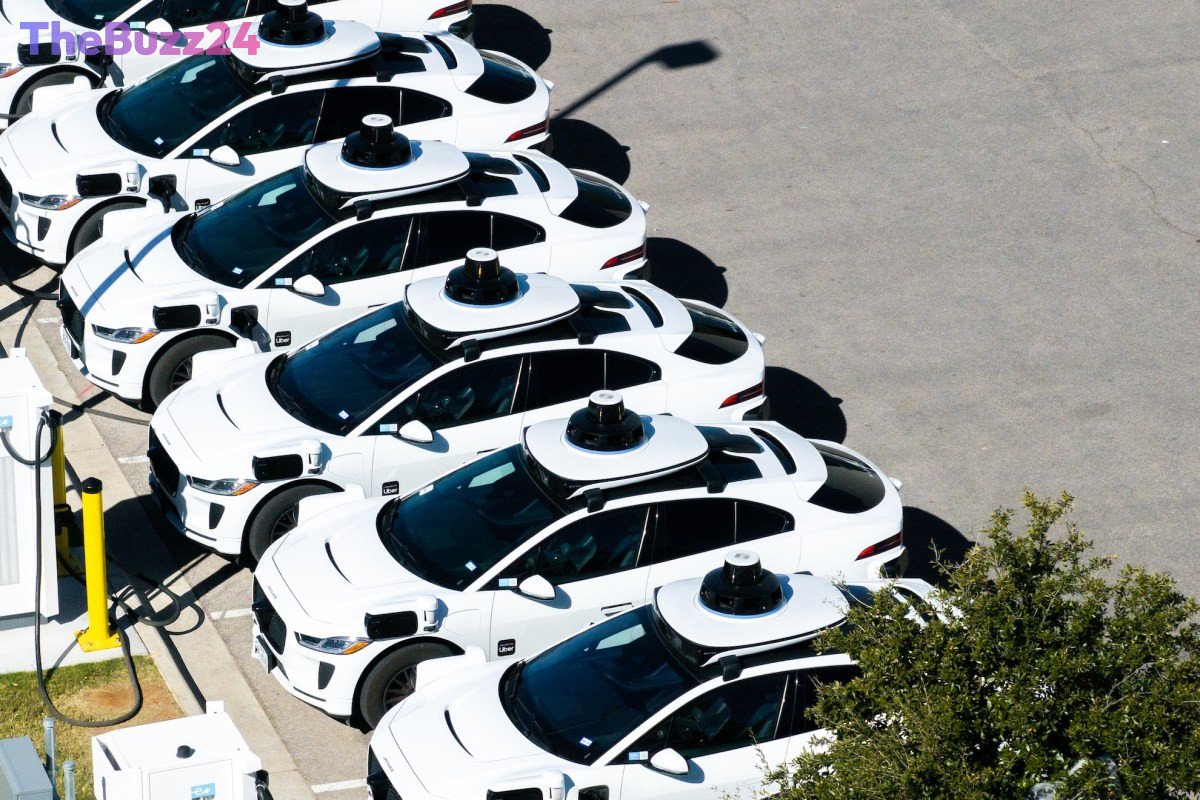
Waymo, the autonomous driving technology company under Alphabet, is rapidly expanding its commercial robotaxi services across the United States, now operating in 15 cities compared to just three in September 2024. This significant growth has led to a surge in ridership, with the company now facilitating approximately 500,000 paid rides weekly. This expansion reflects a substantial investment and a strategic push to scale its operations nationwide.
Despite the broad geographic reach, a closer examination of Waymo’s fleet data reveals a concentrated deployment strategy. Approximately 80% of its nearly 4,000 autonomous vehicles are currently stationed in California and Texas. Texas, in particular, has become a focal point for recent expansion, with Waymo’s fleet in the state growing by nearly half in just the past three weeks. This surge is largely attributed to the introduction of a new Chinese-built minivan, branded as the ‘Ojai,’ which Waymo is leveraging to enhance its scaling capabilities, even amidst potential tariff-related cost increases.
The ‘Ojai’ robotaxi, a modified Zeekr RT developed by Geely Holding Group, is a key component of Waymo’s strategy to achieve mass-market adoption and profitability. Equipped with Waymo’s latest self-driving system and integrated with Google’s Gemini AI for an enhanced rider experience, the Ojai is designed for durability and user convenience. While the base vehicles are manufactured in China, they are shipped to Waymo’s Arizona facility for the integration of its proprietary autonomous driving technology. This approach aims to drive down operational costs, although current U.S. trade policies imposing tariffs on Chinese-manufactured vehicles present a significant cost challenge for Waymo’s import strategy.
Waymo’s decision to heavily invest in Texas, with its fleet growing significantly in cities like Austin, Dallas, Houston, and San Antonio, signals a strategic shift. This expansion, coupled with continued operations in California and anticipated deployments in Florida and Las Vegas, indicates Waymo’s commitment to aggressive growth. The company appears prepared to absorb the additional costs associated with tariffs to secure the necessary fleet size, underscoring the strategic importance of the Ojai minivan in its long-term vision for widespread autonomous mobility.
Key Takeaways
- Waymo has significantly expanded its robotaxi service to 15 U.S. cities, averaging 500,000 paid rides weekly.
- The majority of Waymo's fleet (80%) is concentrated in California and Texas, with Texas experiencing rapid recent growth.
- Waymo is deploying a new Chinese-built minivan, the 'Ojai,' to scale operations, despite facing import tariffs.
Editor’s Analysis & Impact
Waymo’s aggressive expansion, particularly its focus on Texas and the introduction of the Ojai minivan, highlights a critical phase in the autonomous vehicle industry. The company’s willingness to absorb import tariffs suggests a strong belief in the Ojai’s potential to drive down long-term operational costs and achieve profitability. This strategy, however, is subject to geopolitical trade dynamics and evolving U.S. policies. The concentration of fleets in specific states also raises questions about equitable deployment and the pace of adoption in less-favored regions. Waymo’s success will depend on balancing rapid scaling with cost management and navigating the complex regulatory and economic landscape.
Frequently Asked Questions
Q: What is the 'Ojai' robotaxi?
A: The 'Ojai' is Waymo's branded name for a modified Zeekr RT minivan, manufactured by China's Geely Holding Group. It is equipped with Waymo's sixth-generation self-driving system and Google's Gemini AI, designed for commercial robotaxi services.
Q: Why is Waymo focusing so heavily on Texas?
A: Texas has become a key market for Waymo's expansion due to significant fleet growth in cities like Austin, Dallas, Houston, and San Antonio. This focus is part of Waymo's strategy to scale its robotaxi services rapidly and efficiently, leveraging new vehicle platforms like the Ojai.
Q: How do tariffs affect Waymo's Ojai robotaxis?
A: Vehicles built in China, like the Zeekr RT that forms the basis of the Ojai, are subject to U.S. import tariffs. These tariffs increase Waymo's cost for each Ojai vehicle it brings into the country, though the company appears willing to absorb these costs to facilitate its expansion.
AI Disclosure: This article is based on verified data and official reports. Our Team and AI have cross-referenced every financial detail with primary sources to ensure total accuracy.
More from this Category