Waymo Recalls Nearly 3,900 Robotaxis After Freeway Construction Zone Incidents
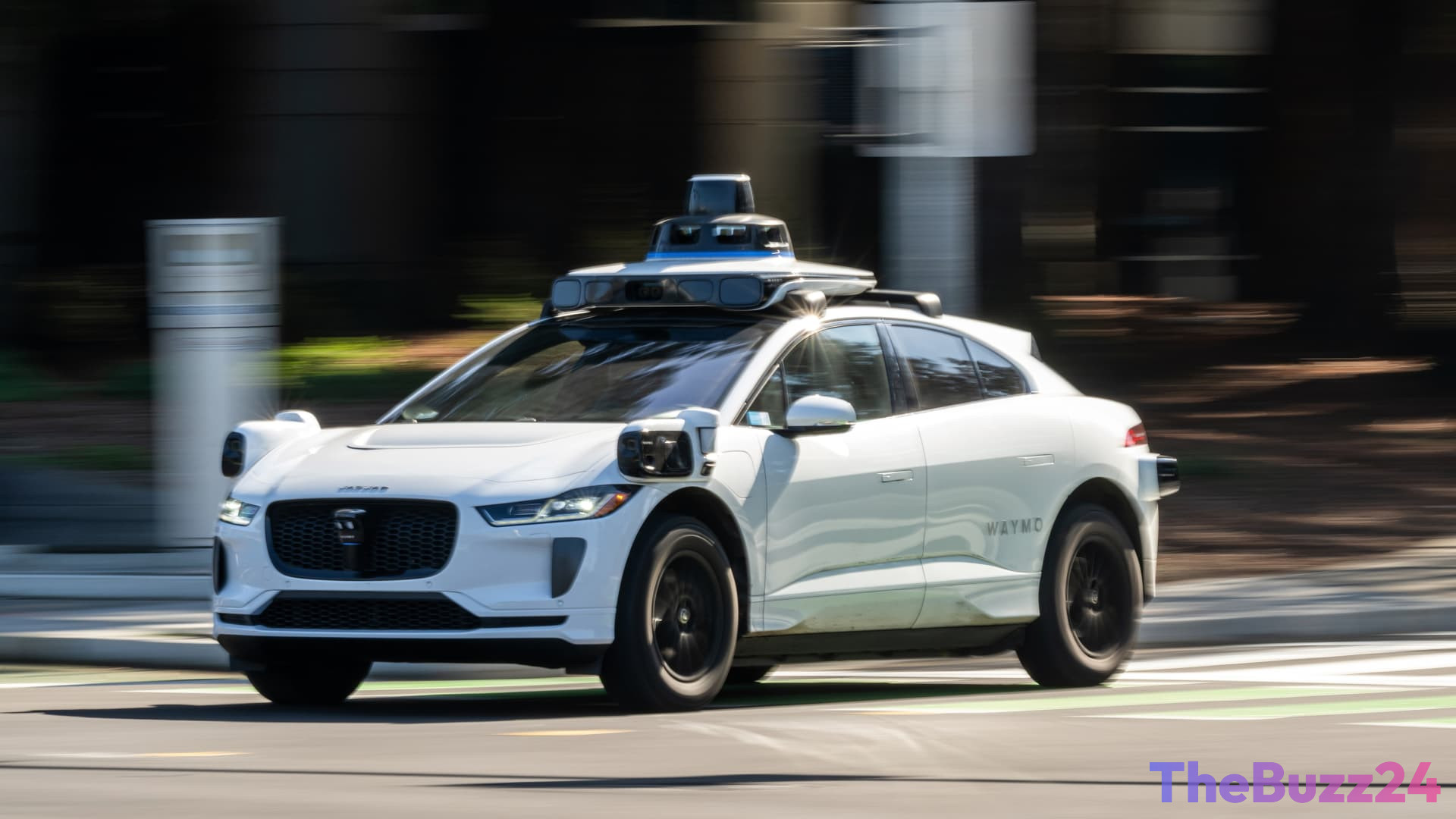
Waymo, Alphabet’s autonomous vehicle subsidiary, has initiated a voluntary recall for approximately 3,900 robotaxis in the U.S. The recall stems from software issues that led some vehicles to drive into closed freeway construction zones or active construction lanes. This marks the second such recall for the company in just over a month, highlighting ongoing challenges in the deployment of autonomous driving technology.
The incidents, totaling 13 known occurrences, took place in freeway construction zones in Phoenix and active construction areas in San Francisco. The affected vehicles utilize Waymo’s fifth-generation automated driving systems. The company acknowledged identifying an area for improvement regarding performance around freeway construction zones, stating that driving through such areas increases the risk of a crash. As a precautionary measure, Waymo has temporarily restricted its robotaxi operations on freeways while it develops and implements a software remedy.
This latest recall follows a previous voluntary recall in May, which addressed issues where robotaxis drove into flooded zones or standing water. Waymo has also faced scrutiny for other operational challenges, including incidents where vehicles failed to yield to school buses in Austin, Texas, and performance issues during widespread power outages in San Francisco, which caused vehicles to halt and contribute to traffic congestion.
Despite these setbacks, Waymo continues to expand its commercial robotaxi service, currently operating in 11 U.S. markets and planning international expansions to London and Tokyo this year. However, industry experts like Grayson Brulte, co-founder of Autnmy AI, suggest that until the freeway software patch is fully deployed and validated, Waymo’s expansion velocity may be fundamentally constrained.
Key Takeaways
- Waymo has issued a voluntary recall for nearly 3,900 robotaxis due to software issues causing vehicles to enter freeway construction zones.
- This is Waymo's second recall in just over a month, following previous incidents involving flooded areas, school buses, and power outages.
- The company has temporarily restricted robotaxi operations on freeways while developing a software remedy, which may impact its expansion plans.
Editor’s Analysis & Impact
This latest recall by Waymo underscores the persistent complexities and safety challenges inherent in scaling autonomous vehicle technology. While Waymo’s proactive approach to addressing software flaws is commendable, repeated incidents could lead to increased regulatory scrutiny and potentially erode public trust, which is crucial for widespread adoption. For the broader autonomous vehicle industry, these events serve as a reminder that robust testing and continuous software refinement are paramount. The temporary restriction on freeway operations could slow Waymo’s market penetration and give competitors an opportunity to highlight their own safety records. Future outlook suggests that regulatory bodies will likely intensify their oversight, demanding even more rigorous validation processes before autonomous vehicles can fully integrate into complex urban and highway environments.
Frequently Asked Questions
Q: What prompted Waymo's latest robotaxi recall?
A: The recall was initiated after approximately 13 incidents where Waymo robotaxis, equipped with fifth-generation automated driving systems, drove into closed freeway construction zones or active construction lanes in Phoenix and San Francisco.
Q: How many vehicles are affected by this recall?
A: The voluntary recall impacts nearly 3,900 Waymo robotaxis operating in the U.S.
Q: What measures has Waymo taken in response to the software issue?
A: Waymo has temporarily restricted its robotaxi services from operating on freeways and is actively developing a software remedy to address the identified performance issues around construction zones.
AI Disclosure: This article is based on verified data and official reports. Our Team and AI have cross-referenced every financial detail with primary sources to ensure total accuracy.
More from this Category