Aviation Giants: The Regulatory Reality of a Potential United and American Airlines Merger
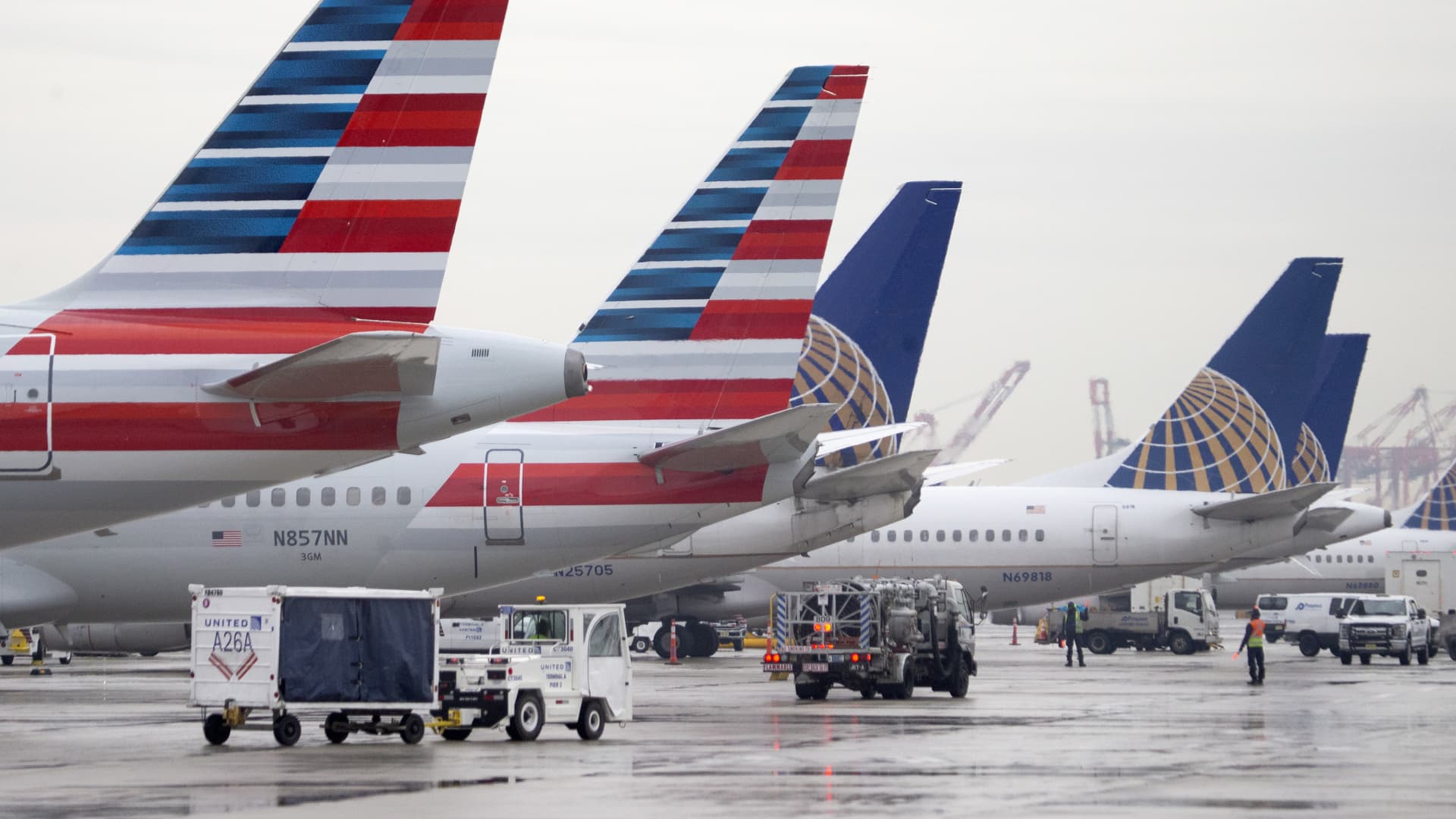
Speculation is mounting within the aviation sector regarding a potential merger between United Airlines and American Airlines. Reports suggest that discussions have reached the level of the Trump administration, sparking intense debate over the future of domestic air travel. If realized, the union of these two industry titans would create the world’s largest airline, fundamentally altering the competitive landscape of the U.S. aviation market.
While the current political climate may appear more receptive to large-scale corporate consolidation, the proposed merger faces significant legal and regulatory obstacles. Industry analysts warn that combining United and American would result in a single entity controlling approximately 40% of domestic capacity. Given that the four major U.S. carriers currently manage 80% of the market, such a move would likely trigger aggressive antitrust scrutiny from the Department of Justice. Experts suggest that to even consider approval, the airlines would need to divest hundreds of routes to maintain competitive balance.
Financial experts remain cautious, noting that the aviation industry is currently navigating a complex environment defined by fluctuating fuel costs and rising labor expenses. While some industry leaders argue that consolidation is a necessary step for long-term survival, others point to the potential for reduced consumer choice and increased airfares. As both airlines maintain silence on the matter, the market continues to weigh the feasibility of such a historic deal against the inevitable legal challenges that would follow.
Key Takeaways
- A merger between United and American Airlines would create the world's largest carrier, controlling roughly 40% of the U.S. domestic market.
- The deal faces extreme regulatory hurdles, with experts predicting that the Department of Justice would likely block the merger due to antitrust concerns.
- Market analysts remain skeptical of the deal's viability, noting that massive divestitures of nearly 300 routes would be required to satisfy competition regulators.
Editor’s Analysis & Impact
The prospect of a United-American merger represents a litmus test for modern antitrust enforcement. While the current administration has signaled a more permissive attitude toward corporate consolidation, the sheer scale of this deal pushes the boundaries of market concentration. From an industry perspective, the move reflects the ongoing pressure on legacy carriers to achieve economies of scale to offset rising operational costs. However, the broader implications for consumers are concerning; reduced competition typically leads to higher ticket prices and fewer route options. If this deal were to proceed, it would set a precedent for future mega-mergers across other sectors, potentially signaling a shift away from the strict competition-focused policies of the past decade. Investors should remain wary, as the legal costs and regulatory uncertainty likely outweigh the potential synergies of such a massive integration.
Frequently Asked Questions
Q: Why is a merger between United and American Airlines considered unlikely?
A: The merger is considered unlikely because it would create a dominant entity controlling 40% of the U.S. domestic market, which would almost certainly trigger fatal antitrust intervention from the Department of Justice.
Q: What would be the primary impact on consumers if the merger were approved?
A: Consumers would likely face reduced competition, which could lead to higher airfares and fewer flight options across the hundreds of routes where the two airlines currently compete.
AI Disclosure: This article is based on verified data and official reports. Our Team and AI have cross-referenced every financial detail with primary sources to ensure total accuracy.
More from this Category