U.S. Navy Implements Strategic Blockade of Strait of Hormuz Following Diplomatic Collapse
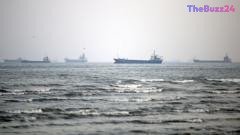
The United States military has confirmed the commencement of a comprehensive naval blockade targeting all maritime traffic bound for or departing from Iranian ports. This decisive action follows the total breakdown of peace negotiations that began in late February, which aimed to address regional tensions and nuclear proliferation concerns. The Strait of Hormuz, a critical artery for global energy supplies, has seen its operational capacity severely diminished in recent weeks, prompting the U.S. to intervene directly to restore maritime security.
Under the directive of the U.S. administration, the Navy has been ordered to interdict any vessel attempting to pay tolls to Iranian authorities, characterizing such payments as illegal. Furthermore, U.S. Central Command has been tasked with clearing mines allegedly deployed by Iran within the waterway. While the blockade is intended to be enforced strictly against vessels interacting with Iranian ports, officials have emphasized that ships transiting to or from non-Iranian destinations will remain unhindered. The operation is scheduled to begin at 10:00 EDT, with the U.S. seeking to build an international coalition to support the enforcement of these maritime restrictions.
Legal scholars and international observers have raised significant questions regarding the legality of the blockade, citing potential conflicts with established international maritime law and previous ceasefire agreements. Despite these concerns, the U.S. maintains that the move is a necessary response to Iran’s use of the strait as a tool for economic leverage and geopolitical coercion. The blockade is designed to neutralize a key revenue stream for the Iranian government while pressuring Tehran to return to the negotiating table under terms favorable to American interests.
Market analysts remain cautious about the long-term implications of this escalation on global energy stability. While current shipping volumes through the Strait of Hormuz have already plummeted compared to pre-conflict averages, the formalization of a blockade introduces a new layer of volatility. Industry experts note that while the immediate impact on global trade may be mitigated by the already reduced traffic, the potential for a broader regional confrontation remains a significant risk factor for global markets.
Key Takeaways
- The U.S. Navy is enforcing a blockade on all maritime traffic entering or leaving Iranian ports to counter regional instability and toll-based revenue generation.
- The operation follows the collapse of diplomatic talks and aims to clear mines while preventing vessels from paying tolls to Iranian authorities.
- Legal experts and analysts warn that the move could violate international maritime law and further destabilize global energy markets.
Editor’s Analysis & Impact
The U.S. decision to blockade the Strait of Hormuz represents a significant escalation in the ongoing geopolitical standoff with Iran. By targeting the economic lifeline of the strait, the U.S. is attempting to force a diplomatic resolution through economic strangulation. However, this strategy carries substantial risks. Beyond the immediate threat of military miscalculation, the move risks alienating international partners who prioritize the freedom of navigation and the stability of global oil prices. The long-term outlook suggests that unless a new diplomatic framework is established, the region will face sustained volatility, potentially leading to a permanent shift in global shipping routes and increased insurance premiums for any vessels operating in the Persian Gulf. The effectiveness of this blockade will ultimately depend on the U.S.’s ability to maintain a unified international coalition against Iranian maritime influence.
Frequently Asked Questions
Q: Will the U.S. blockade affect all ships passing through the Strait of Hormuz?
A: No. The U.S. military has clarified that the blockade is specifically targeted at vessels entering or leaving Iranian ports. Ships transiting to or from non-Iranian ports are expected to remain free from interference.
Q: Why is the U.S. targeting toll payments to Iran?
A: The U.S. government views these tolls as illegal and a form of economic leverage used by Iran to fund its activities and exert control over a vital international waterway.
AI Disclosure: This article is based on verified data and official reports. Our Team and AI have cross-referenced every financial detail with primary sources to ensure total accuracy.
More from this Category