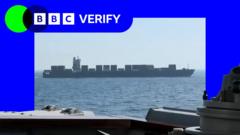
U.S. Navy Intercepts Iranian Vessel in High-Stakes Gulf Confrontation
The United States Navy has successfully intercepted and seized an Iranian vessel attempting to navigate into the Gulf, marking a significant escalation in the ongoing maritime blockade. The operation was confirmed following reports that the vessel ignored multiple warnings to halt, prompting U.S. forces to take direct control of the ship to enforce regional security protocols.
Tehran has responded with sharp condemnation, characterizing the seizure as an act of armed piracy and a direct breach of existing ceasefire agreements. Iranian officials have signaled that the incident will not go unanswered, warning of potential retaliation for what they describe as an unlawful intervention in international waters.
This development represents the first time the U.S. has physically interdicted an Iranian ship since the implementation of the current naval blockade targeting Iranian ports. The incident highlights the fragile state of diplomatic relations in the region and raises concerns regarding the potential for further instability in one of the world’s most critical maritime corridors.
Key Takeaways
- The U.S. Navy seized an Iranian vessel after it failed to comply with orders to stop during a naval blockade.
- Iran has officially condemned the action as 'armed piracy' and a violation of ceasefire terms, threatening retaliation.
- This event marks the first direct interdiction of an Iranian ship since the start of the current U.S. naval blockade.
Editor’s Analysis & Impact
The seizure of an Iranian vessel by the U.S. Navy represents a dangerous inflection point in Middle Eastern maritime security. By moving from passive monitoring to active interdiction, the U.S. has significantly raised the stakes, effectively challenging Iran’s ability to project power through its naval assets. The immediate implication is a heightened risk of asymmetric conflict, as Iran may seek to retaliate through proxy forces or by disrupting commercial shipping lanes in the Strait of Hormuz. From a broader geopolitical perspective, this incident threatens to unravel fragile diplomatic efforts to maintain regional stability. Markets should anticipate increased volatility in energy prices and insurance premiums for maritime logistics, as the risk of a broader military confrontation remains elevated in the wake of this aggressive maneuver.
Frequently Asked Questions
Q: Why did the U.S. Navy seize the Iranian vessel?
A: The vessel was seized after it reportedly failed to comply with warnings to halt while attempting to enter the Gulf during an active naval blockade.
Q: How has Iran responded to the seizure?
A: Iran has denounced the action as an act of 'armed piracy' and a violation of a ceasefire agreement, stating that they intend to retaliate.
AI Disclosure: This article is based on verified data and official reports. Our Team and AI have cross-referenced every financial detail with primary sources to ensure total accuracy.
More from this Category