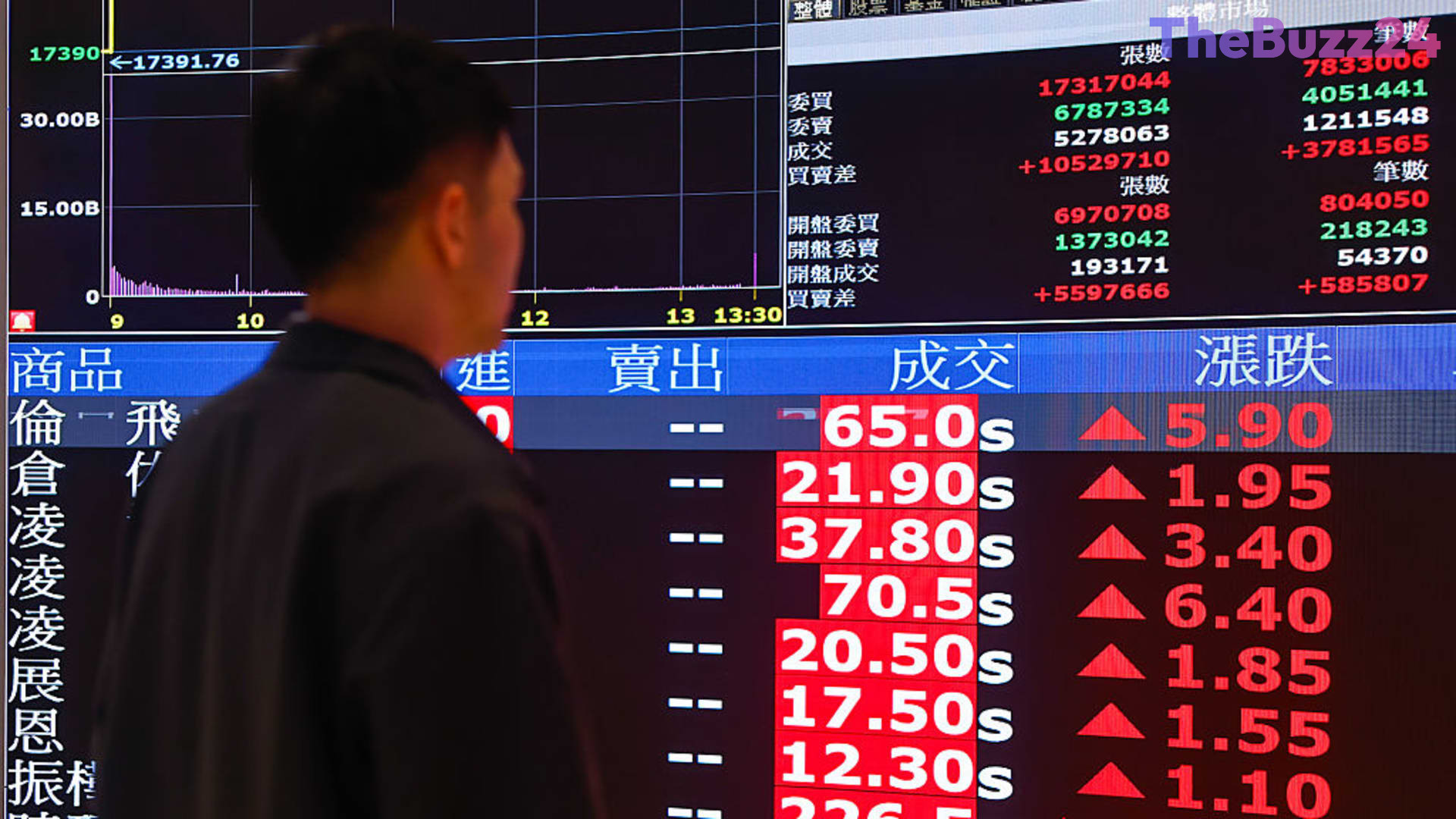
Why Asia’s Tech Giants Struggle to Match the Scale of US Mega-IPOs
Despite boasting world-class technology, massive domestic markets, and a highly skilled talent pool, Asian markets continue to lag behind the United States in launching blockbuster initial public offerings (IPOs). While the U.S. regularly witnesses mega-listings like SpaceX, Asian tech champions face structural hurdles that limit their valuation potential. The issue is not a lack of innovation, but rather the underlying financial ecosystems across major hubs like China, India, and South Korea.
In China and Hong Kong, the industrial and technological foundations are incredibly strong, particularly in sectors like artificial intelligence, semiconductors, and advanced manufacturing. However, the financial framework presents a bottleneck. Venture capital in China typically operates on much shorter investment horizons compared to the U.S., and strict capital controls limit cross-border investment. While Hong Kong possesses the infrastructure to host massive listings, its market has historically been dominated by traditional financial institutions rather than high-growth, venture-backed tech firms.
South Korea faces a different set of challenges, often referred to as the “Korea discount.” Despite being home to global tech powerhouses like Samsung Electronics and SK Hynix, the market is heavily influenced by the traditional, family-run conglomerate system known as chaebols. This structure, combined with historically limited cornerstone investments, has suppressed valuation multiples. Consequently, even top-tier Korean firms like SK Hynix have explored U.S. listings to capture the higher valuations overseas investors are willing to offer.
Meanwhile, India’s IPO market is experiencing a surge in domestic retail and institutional participation, highlighted by the highly anticipated listing of telecom giant Jio Platforms, which seeks a $120 billion valuation. However, Indian startups are often pressured by investors to demonstrate profitability much earlier than their American counterparts. This focus on immediate cash flow over long-term, high-risk expansion, combined with a predominantly domestic focus, prevents Indian tech firms from achieving the astronomical global scale seen in U.S. mega-IPOs.
Key Takeaways
- Asian tech firms face structural capital constraints, including shorter venture capital horizons and stricter listing requirements, compared to the deep, patient private capital available in the U.S.
- Despite massive domestic demand and high-profile listings like India's Jio Platforms, regional startups are often pressured to prioritize early profitability over global scale.
- Governance challenges, such as South Korea's conglomerate system, and restricted cross-border capital flows in China continue to suppress valuation multiples across Asian exchanges.
Editor’s Analysis & Impact
The valuation gap between Asian and U.S. capital markets highlights a fundamental divergence in investor risk appetite and market maturity. While the U.S. financial ecosystem is built to sustain pre-revenue tech giants for a decade or more through deep private equity pools, Asian markets remain highly risk-averse. This forces promising Asian startups to either list prematurely at lower valuations or seek listings on U.S. exchanges, leading to capital flight from regional markets. To bridge this gap, Asian regulators must foster deeper institutional participation, particularly from pension funds and insurance firms, while reforming corporate governance. Over time, as India’s domestic savings pool deepens and South Korea implements governance reforms, the region may gradually build the patient capital infrastructure required to support its own trillion-dollar public debuts.
Frequently Asked Questions
Q: Why do U.S. tech companies achieve higher IPO valuations than Asian companies?
A: The U.S. market benefits from a massive pool of patient private equity and venture capital that funds companies through long periods of growth before they go public. Additionally, U.S. investors are generally more willing to pay premium valuation multiples for future growth potential rather than demanding immediate profitability.
Q: What is the 'Korea discount' and how does it affect IPOs?
A: The 'Korea discount' refers to the historically lower valuations applied to South Korean stocks compared to global peers. This is driven by corporate governance concerns, the dominance of family-run conglomerates (chaebols), and lower dividend payouts, which make local listings less attractive to international investors.
Q: Can India produce mega-IPOs in the near future?
A: While India has strong domestic investment demand and massive companies like Jio Platforms planning large listings, its tech ecosystem is currently constrained. Most Indian startups focus on domestic markets and face pressure to turn a profit early, limiting the hyper-growth strategies that typically fuel multi-billion-dollar U.S. IPOs.
AI Disclosure: This article is based on verified data and official reports. Our Team and AI have cross-referenced every financial detail with primary sources to ensure total accuracy.
More from this Category