Zoox Refines Autonomous Robotaxi Design Ahead of Commercial Launch
Amazon-owned autonomous vehicle developer Zoox has unveiled a series of strategic design enhancements to its custom-built robotaxi. These updates, which focus on both passenger comfort and operational functionality, arrive as the company prepares for a potential commercial rollout later this year. The vehicle retains its signature bidirectional, steering-wheel-free architecture, capable of transporting four passengers at speeds reaching 75 miles per hour while utilizing a sophisticated array of 40 sensors, cameras, and lidar systems.
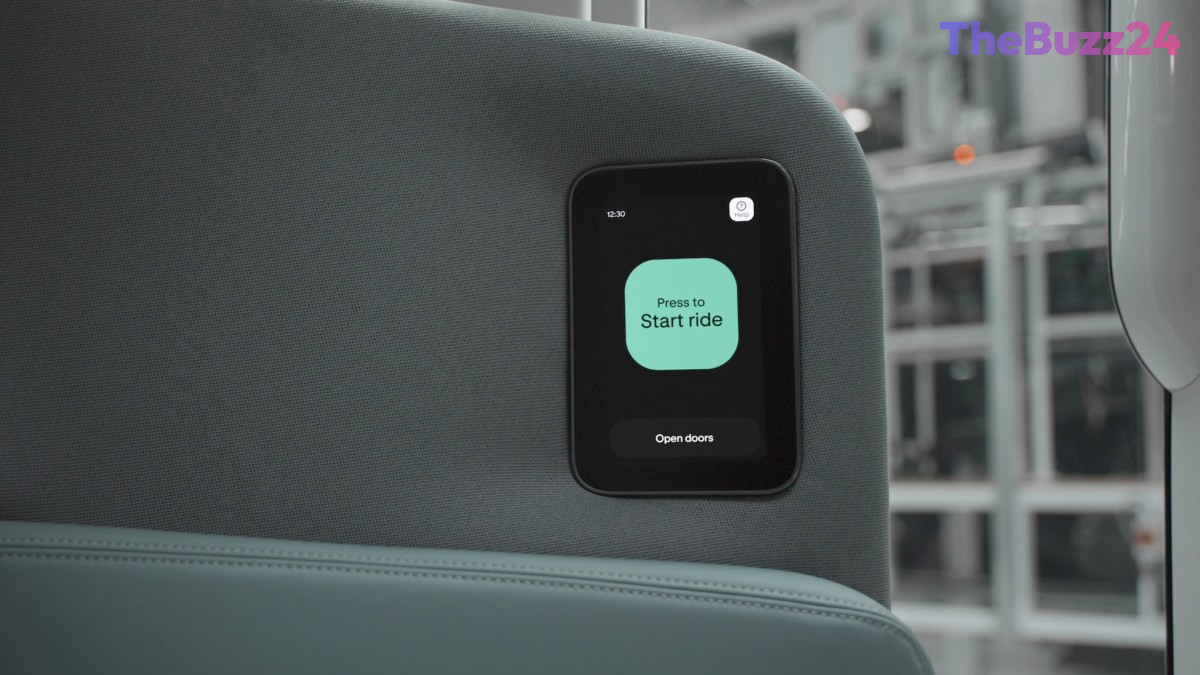
The interior cabin has undergone a significant aesthetic and ergonomic overhaul. Zoox has introduced a lighter color palette, featuring aloe-green seating and stone-grey flooring, designed to foster a calmer environment while making it easier for passengers to locate personal items like smartphones. Practical improvements include enhanced seat padding, larger cupholders, and a more intuitive touchscreen interface. These changes are intended to create a seamless, low-friction experience for riders who are not accustomed to traditional vehicle controls.
Externally, the robotaxi has been modified to improve communication and safety. The company has relocated bidirectional reflectors for better visibility and integrated new audio hardware, including speakers and microphones, to facilitate two-way communication between riders, support staff, and first responders. These refinements are being implemented at the company’s Hayward, California, production facility, which is currently scaling up to support a production capacity of up to 100 vehicles per week.
Despite these advancements, Zoox faces a critical regulatory milestone before it can begin charging for rides. Because the vehicle lacks standard manual controls, the company is currently awaiting a final decision from the National Highway Traffic Safety Administration regarding a commercial exemption. While the company continues to offer free testing services in cities including Austin, San Francisco, Las Vegas, and Miami, full-scale commercial operations remain contingent on federal regulatory approval.
Key Takeaways
- Zoox has updated its custom robotaxi with ergonomic interior improvements and enhanced communication hardware to prepare for commercial service.
- The vehicle maintains its unique bidirectional design and sensor suite, capable of reaching speeds of 75 mph without a steering wheel.
- Commercial operations are currently pending a federal regulatory exemption from the National Highway Traffic Safety Administration.
Editor’s Analysis & Impact
The evolution of the Zoox robotaxi represents a critical shift from experimental prototype to a consumer-ready product. By focusing on interior ergonomics and communication interfaces, Zoox is addressing the ‘trust gap’ that often accompanies fully autonomous transit. The company’s ability to scale production in Hayward suggests a high level of confidence in their manufacturing pipeline; however, the reliance on federal regulatory approval highlights the primary bottleneck for the entire autonomous vehicle industry. If Zoox secures the necessary exemptions, it could set a new standard for purpose-built urban mobility. Conversely, a prolonged regulatory delay could force the company to pivot its strategy or face increased pressure from competitors who are utilizing retrofitted traditional vehicles to capture market share in the interim.
Frequently Asked Questions
Q: Does the Zoox robotaxi have a steering wheel?
A: No, the Zoox robotaxi is a purpose-built autonomous vehicle that lacks a steering wheel and traditional manual controls.
Q: Where is Zoox currently testing its vehicles?
A: Zoox is currently offering free testing rides in Austin, San Francisco, Las Vegas, and Miami.
AI Disclosure: This article is based on verified data and official reports. Our Team and AI have cross-referenced every financial detail with primary sources to ensure total accuracy.
More from this Category