Samsara Unveils Disposable Tracking Label to Combat Global Cargo Theft
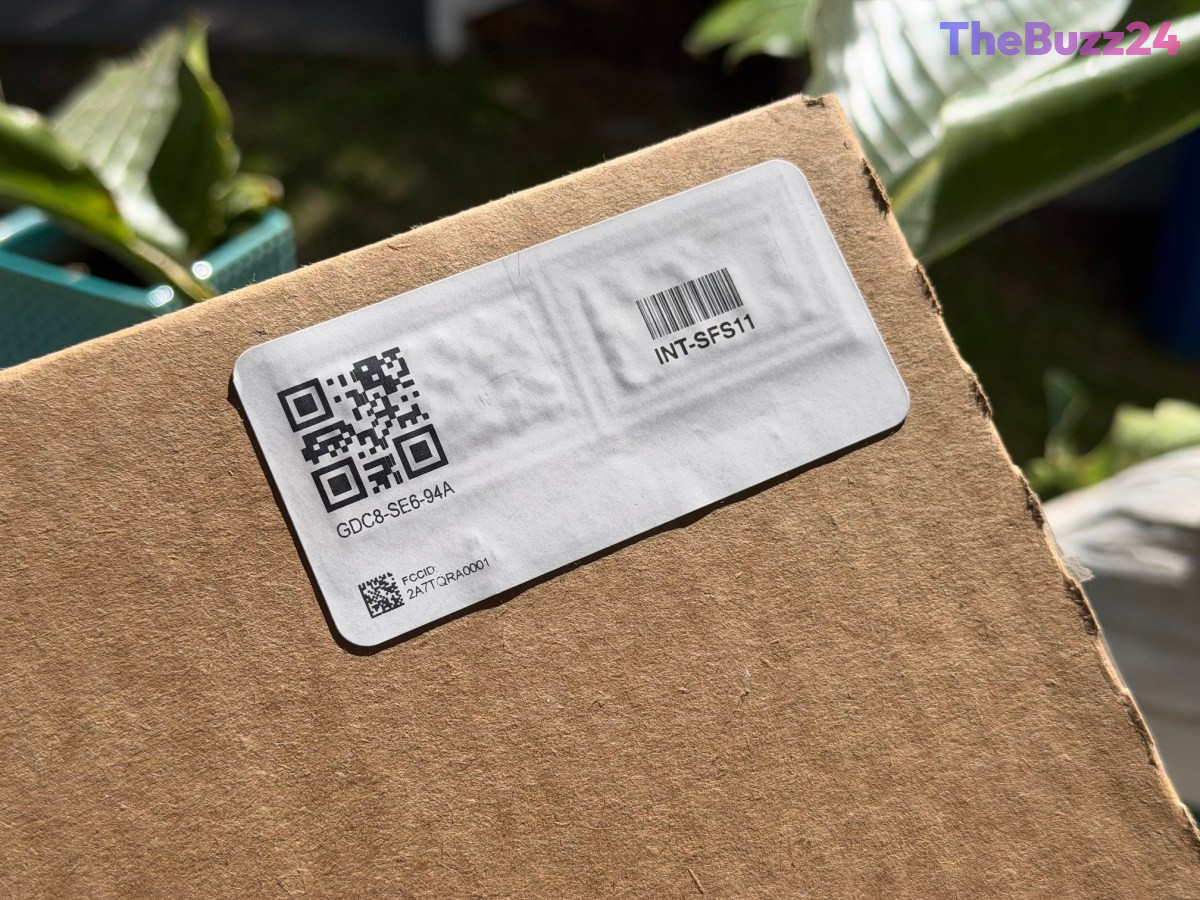
The logistics industry is facing a growing crisis as cargo theft becomes increasingly sophisticated, leaving companies struggling to maintain visibility over their shipments. Often, goods effectively ‘go dark’ once they leave a port or distribution center, creating significant blind spots in the global supply chain. To address this, fleet management firm Samsara has introduced a new, business-card-sized tracking label designed to provide real-time location data in a disposable, low-cost format.
Unlike previous asset-tracking solutions that were often bulky, expensive, or required retrieval after use, the new Samsara Tracking Label is designed for one-way shipping. The device utilizes a zinc battery and Bluetooth low energy technology, allowing it to remain in a sleep mode for up to nine months before activation. Once active, the label provides approximately 45 days of tracking, leveraging Samsara’s existing, massive network of cameras and sensors already installed across customer fleets to pinpoint the location of goods.
This innovation represents a shift from reactive to proactive logistics management. By providing constant visibility, companies can better navigate delays, reroute shipments, and significantly reduce the risk of theft. While other technologies like RFID exist, they are often limited by the need for proximity to specific scanners. Samsara’s approach utilizes a mobile, constantly moving network of sensors, which the company believes will be a powerful tool in identifying and dismantling organized cargo theft rings.
As supply chain volatility continues to challenge businesses, the ability to track ‘critical shipments’ with precision is becoming a necessity rather than a luxury. Samsara’s latest offering aims to bridge the gap between high-cost, permanent tracking hardware and the need for affordable, disposable solutions that can be applied to a wide variety of goods, from high-value consumer products to essential industrial components.
Key Takeaways
- Samsara has launched a disposable, Bluetooth-enabled tracking label designed to provide real-time visibility for cargo shipments.
- The device leverages Samsara’s existing network of fleet sensors, offering a more flexible and effective alternative to traditional RFID tracking.
- The label is intended to help companies move from reactive to proactive logistics, reducing theft and improving decision-making during shipment delays.
Editor’s Analysis & Impact
The introduction of the Samsara Tracking Label signifies a critical evolution in supply chain management, moving toward ‘ubiquitous visibility.’ By utilizing a disposable form factor, Samsara is lowering the barrier to entry for real-time tracking, which was previously reserved for only the most expensive assets. This has profound implications for the logistics sector, particularly in mitigating the multi-billion dollar cargo theft industry. As companies increasingly demand data-driven certainty in their operations, the integration of AI-driven ‘Ground Intelligence’ and pervasive sensor networks will likely become the industry standard. The future outlook suggests that as these tracking technologies become cheaper and more integrated, the ‘dark’ periods in global shipping will vanish, forcing criminal networks to adapt or face significantly higher risks of detection.
Frequently Asked Questions
Q: How does the Samsara Tracking Label differ from traditional RFID tracking?
A: Traditional RFID requires shipments to pass near specific scanners to be tracked. Samsara’s label uses Bluetooth to communicate with the company’s existing, mobile network of fleet sensors, allowing for real-time tracking regardless of whether the shipment is near a fixed scanner.
Q: Is the tracking label reusable?
A: No, the label is designed to be disposable. It uses a zinc battery that powers the device for approximately 45 days after activation, making it ideal for one-way shipping where retrieving the hardware is not feasible.
AI Disclosure: This article is based on verified data and official reports. Our Team and AI have cross-referenced every financial detail with primary sources to ensure total accuracy.
More from this Category