India’s Proposed Digital Regulations Spark Debate Over Free Speech and Oversight
The Indian government has introduced a significant set of proposed amendments to its existing IT rules, aiming to expand regulatory oversight to a wider range of digital content creators. The Ministry of Electronics and Information Technology (MeitY) is seeking to classify influencers, podcasters, and individual users who discuss news and current affairs under the same ethical code currently governing registered news publishers. Proponents of the measure argue that this unified framework is essential to combat the rising tide of misinformation, hate speech, and deepfakes as the public increasingly turns to independent digital voices for information.
This proposal has drawn sharp criticism from digital rights advocates and independent journalists, who warn that the move could serve as a mechanism for state-led censorship. By linking these new guidelines to the ‘safe harbour’ protections enjoyed by social media platforms, critics fear that companies will be pressured to preemptively remove content critical of the government to avoid legal liability. Observers have noted that previous regulatory updates have already shortened compliance windows for takedown orders, which often bypasses the opportunity for meaningful legal review or due process.
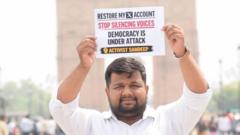
Many prominent social media figures, particularly those known for political satire and commentary, have already reported instances of account restrictions or content removals without clear justification. These creators have expressed deep concern regarding the potential for widespread self-censorship and the loss of digital anonymity. While the government maintains that these regulations are necessary to ensure national stability and align with constitutional standards, the ongoing discourse underscores a deepening conflict between state-led digital management and the protection of free expression in India.
As the public consultation period continues, the tension between ensuring digital safety and preserving individual liberty remains at the forefront of the national conversation. Activists are particularly concerned about the centralization of takedown notices, which they argue creates an infrastructure capable of mass censorship. The final implementation of these rules could fundamentally reshape the digital environment for millions of users across the country.
Key Takeaways
- The Indian government is proposing to bring independent digital creators and podcasters under the same ethical regulatory framework as traditional news publishers.
- Critics argue the move could lead to increased state censorship by pressuring social media platforms to remove critical content to maintain legal protections.
- The proposal has sparked concerns among creators regarding self-censorship, the loss of anonymity, and the lack of due process in current takedown procedures.
Editor’s Analysis & Impact
The proposed regulatory shift in India represents a global trend where governments are struggling to reconcile traditional media laws with the decentralized nature of the creator economy. By attempting to bridge this gap, the Indian government is positioning itself as a leader in digital governance, yet the move carries significant risks for the domestic tech ecosystem. If enacted, these rules could force social media platforms to adopt more aggressive moderation policies, potentially stifling innovation and political discourse. From a market perspective, this creates a complex environment for platforms that must balance local compliance with global free speech standards. The long-term implication is a potential ‘balkanization’ of digital content, where creators may face vastly different regulatory hurdles depending on their jurisdiction, ultimately impacting the reach and viability of independent digital media businesses.
Frequently Asked Questions
Q: Who would be affected by the new proposed IT rules in India?
A: The proposed rules would impact influencers, podcasters, and individual social media users who produce content related to news and current affairs.
Q: Why are critics concerned about the proposed amendments?
A: Critics fear the rules will lead to state-led censorship, as social media platforms may remove critical content to protect their legal 'safe harbour' status, often without providing users with due process.
AI Disclosure: This article is based on verified data and official reports. Our Team and AI have cross-referenced every financial detail with primary sources to ensure total accuracy.
More from this Category