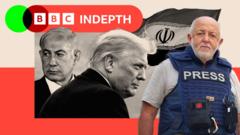
High-Stakes Diplomacy: U.S. and Iran Engage in Critical Talks to Ease Regional Tensions
Diplomatic efforts are currently intensifying in Pakistan as representatives from the United States and Iran convene to explore potential pathways toward de-escalation. The discussions come at a time of heightened regional volatility, with both nations navigating distinct domestic and strategic pressures. For the U.S., the primary objective is to secure a stable ceasefire that would allow for a pivot toward pressing internal economic matters, such as stabilizing energy costs and addressing upcoming political priorities. Conversely, Iranian leadership is approaching the dialogue as a strategic necessity to mitigate the impact of ongoing economic stagnation and infrastructure degradation.
Despite the push for progress, the negotiations are hindered by a profound lack of mutual trust and fundamentally opposing goals. A major point of friction is the status of the Strait of Hormuz, a vital artery for global energy transit. Iran has attempted to leverage its position by imposing tolls and demanding the lifting of international sanctions, viewing the waterway as a key geopolitical bargaining chip. The U.S. remains firm in its commitment to maintaining the status quo, prioritizing the unimpeded flow of energy resources to global markets.
The complexity of these talks is further exacerbated by ongoing military engagements in Lebanon, which continue to challenge the efficacy of diplomatic channels. These regional strikes have created significant uncertainty regarding the scope of any potential agreement and have tested the reach of U.S. influence in the area. As the situation evolves, neighboring Gulf states are increasingly reevaluating their long-term security partnerships. With global powers like China and Russia closely monitoring the developments, the outcome of these negotiations is expected to have lasting implications for the regional balance of power and the future of Middle Eastern stability.
Key Takeaways
- U.S. and Iranian officials are holding high-level talks in Pakistan to address regional instability and pursue a potential ceasefire.
- The Strait of Hormuz remains a central point of contention, with Iran seeking to use the waterway as leverage against international sanctions.
- Ongoing military activity in Lebanon is complicating diplomatic efforts and forcing regional powers to reconsider their long-term security alliances.
Editor’s Analysis & Impact
The current diplomatic impasse between the U.S. and Iran marks a pivotal moment for Middle Eastern security. The conflict has highlighted the limitations of traditional military deterrence, as the Iranian regime has shown surprising resilience despite sustained economic pressure. From a market perspective, the instability surrounding the Strait of Hormuz poses a persistent threat to global energy supply chains, keeping commodity prices volatile. Looking ahead, this situation signals a broader realignment of regional geopolitics. Gulf nations are increasingly diversifying their security portfolios, moving away from a total reliance on U.S. guarantees. This shift creates a vacuum that other global actors, particularly China, are actively seeking to fill. The success of these negotiations will likely serve as a bellwether for whether economic leverage or military posturing will define the next era of regional influence.
Frequently Asked Questions
Q: Why is the Strait of Hormuz a central issue in the negotiations?
A: The Strait of Hormuz is a critical maritime chokepoint for global energy, with approximately 20% of the world's oil and gas passing through it. Control over this passage provides significant geopolitical and economic leverage.
Q: How are regional powers reacting to the ongoing conflict?
A: Gulf monarchies are currently reassessing their long-term security arrangements, moving toward more diversified strategies to protect their national interests in an increasingly unstable environment.
AI Disclosure: This article is based on verified data and official reports. Our Team and AI have cross-referenced every financial detail with primary sources to ensure total accuracy.
More from this Category