Safeguarding the Moonbound: Inside NASA’s Critical Crew Recovery Operations
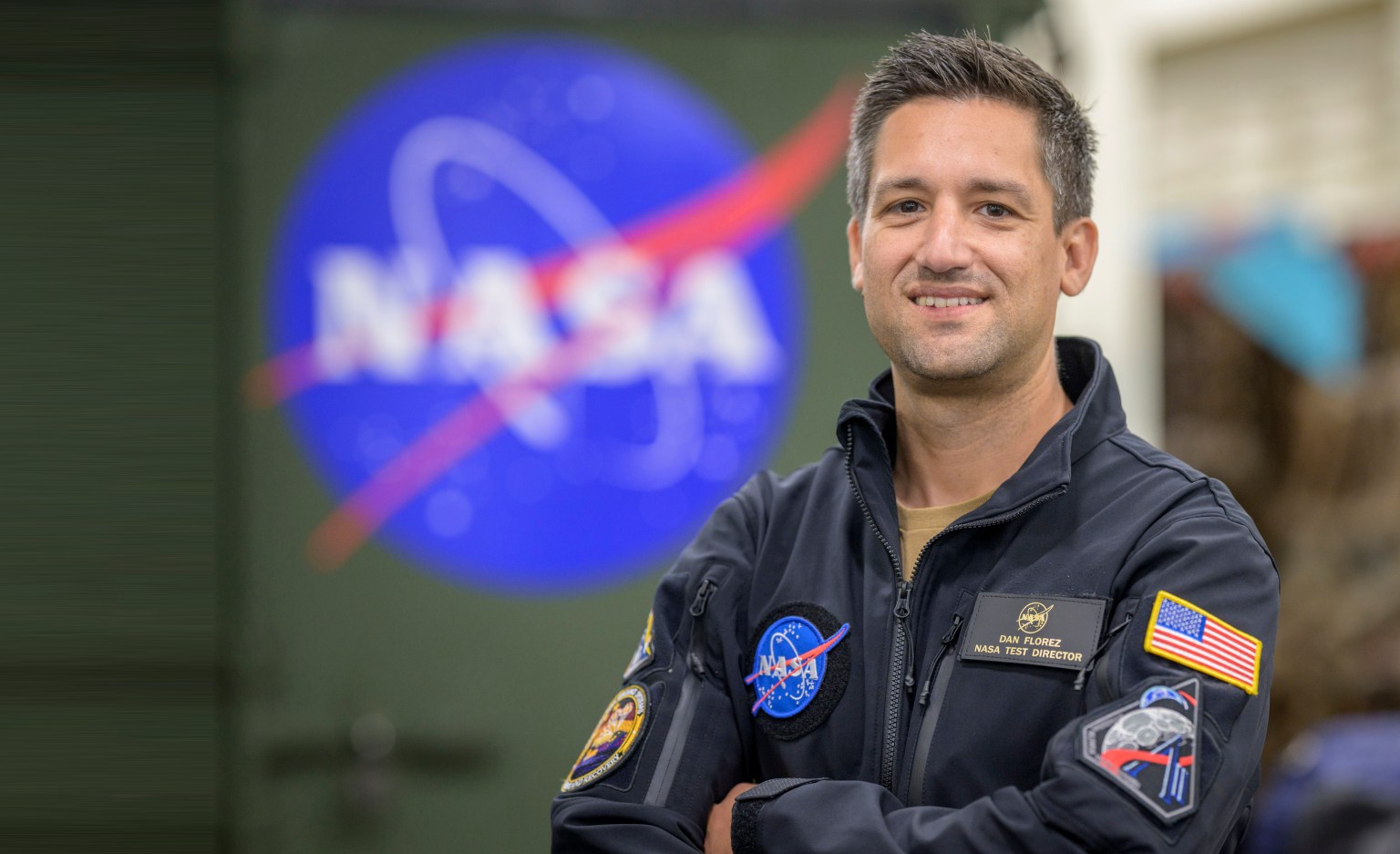
As NASA transitions from uncrewed testing to crewed lunar exploration, the focus of mission management is undergoing a fundamental shift. While previous milestones focused heavily on the technical integrity of hardware, the upcoming Artemis II mission necessitates a pivot toward the complex logistics of human life preservation. Test directors are now tasked with managing not just the mechanics of flight, but the intricate safety protocols required to protect astronauts throughout their journey.
The introduction of a human crew into the Artemis program adds significant operational layers that were absent during the Artemis I flight. Mission planners are currently developing exhaustive timelines that cover everything from the moment astronauts enter the Orion spacecraft to the verification of critical systems. A major component of this preparation involves simulating emergency abort scenarios to ensure that every possible contingency is addressed before the mission leaves the launchpad.
To ensure a safe return to Earth, NASA is conducting rigorous recovery drills in partnership with the U.S. military and the Human Spaceflight Support Office. Recent exercises conducted off the coast of San Diego with naval personnel have been instrumental in validating retrieval protocols. These tests, which incorporate direct feedback from the Artemis II astronauts, aim to guarantee that recovery teams can reach the crew anywhere in the world within a 24-hour window following a landing or an emergency abort.
Key Takeaways
- NASA is shifting its operational focus from hardware testing to comprehensive human safety and recovery logistics for the Artemis II mission.
- New protocols are being developed to manage crew ingress, system verification, and emergency abort scenarios for the Orion spacecraft.
- Collaborative training with the U.S. military ensures that astronauts can be retrieved anywhere on the planet within 24 hours of landing.
Editor’s Analysis & Impact
The transition from the uncrewed Artemis I mission to the crewed Artemis II mission represents a monumental shift in operational risk management. While technical success is paramount, the human element introduces variables that require unprecedented coordination between space agencies and military assets. The emphasis on recovery logistics—specifically the ability to retrieve astronauts within 24 hours—demonstrates a proactive approach to mission safety that goes beyond traditional launch protocols. As NASA moves closer to returning humans to the lunar surface, the success of these ground systems and recovery partnerships will be the true litmus test for the program’s sustainability. This focus on ‘end-to-end’ safety, from ingress to Earth-side retrieval, sets a new standard for deep-space exploration, where the margin for error is virtually non-existent.
Frequently Asked Questions
Q: How does the Artemis II mission differ from Artemis I?
A: While Artemis I was an uncrewed test flight designed to validate hardware, Artemis II will carry a human crew, requiring much more complex safety, life support, and recovery planning.
Q: What is the goal of the recovery tests conducted with the U.S. military?
A: The tests are designed to validate retrieval protocols and ensure that NASA can reach and recover astronauts anywhere in the world within 24 hours of a landing or an emergency abort.
AI Disclosure: This article is based on verified data and official reports. Our Team and AI have cross-referenced every financial detail with primary sources to ensure total accuracy.
More from this Category