New Cargo Mission Delivers Cutting-Edge Scientific Research to the International Space Station
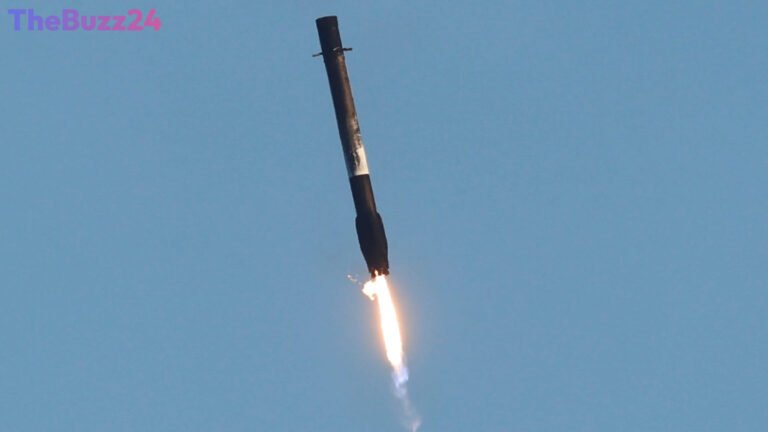
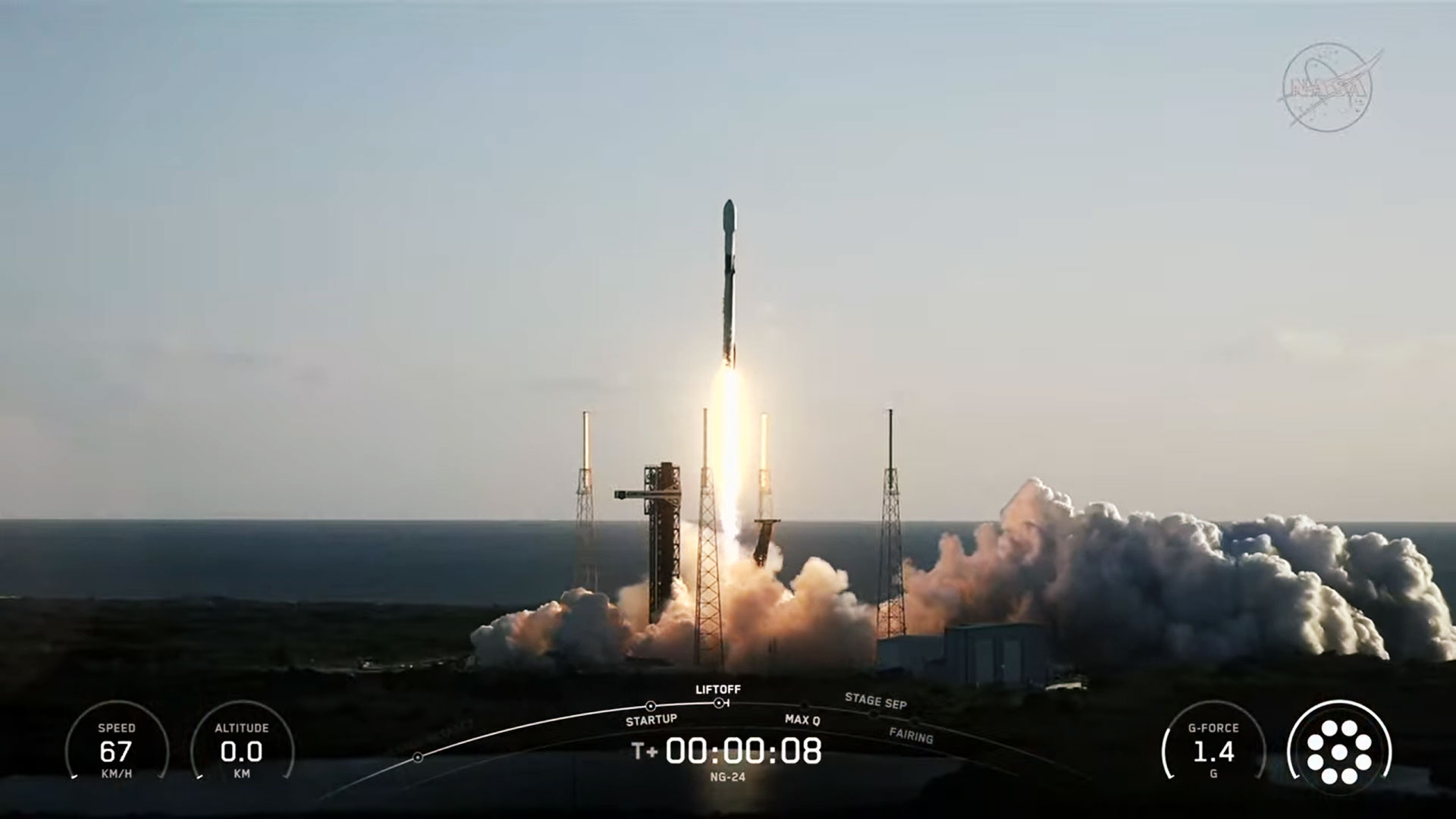
A vital resupply mission successfully launched from Florida this week, delivering a massive payload of scientific equipment and essential supplies to the International Space Station (ISS). The mission, utilizing a Cygnus XL spacecraft launched aboard a SpaceX Falcon 9 rocket, departed from Cape Canaveral Space Force Station on April 11, 2026. This operation marks a significant step in supporting the ongoing research initiatives currently being conducted by the crews of Expeditions 74 and 75.
The spacecraft, christened the S.S. Steven R. Nagel in honor of the late astronaut, is carrying roughly 11,000 pounds of cargo. The manifest includes high-priority experiments ranging from quantum science modules that could revolutionize computing and dark matter research to advanced hardware for the production of therapeutic stem cells. These stem cell studies are particularly significant, as they aim to improve treatment options for patients suffering from cancer and various blood-related disorders.
Beyond medical and physical sciences, the mission is also supporting environmental and infrastructure monitoring. A new receiver onboard will help refine space weather modeling, which is essential for protecting global GPS and radar systems from solar interference. Once the spacecraft is captured by the station’s robotic arm and docked to the Unity module, the crew will begin the process of integrating these experiments into the station’s laboratory environment. The Cygnus XL will remain docked until October, serving as both a research platform and a disposal vehicle for station waste before its eventual controlled re-entry into Earth’s atmosphere.
Key Takeaways
- The S.S. Steven R. Nagel delivered 11,000 pounds of cargo, including critical medical and quantum science research equipment.
- New space weather monitoring hardware will help improve the accuracy of GPS and radar systems by refining atmospheric models.
- The mission supports long-term ISS operations, with the spacecraft remaining docked until October to facilitate waste disposal upon its departure.
Editor’s Analysis & Impact
The successful deployment of the S.S. Steven R. Nagel highlights the increasing synergy between private aerospace logistics and public scientific research. By leveraging commercial launch providers like SpaceX to transport specialized hardware, NASA is effectively lowering the barrier to entry for complex orbital experiments. The focus on stem cell production and quantum science suggests a shift toward high-value, high-impact research that could have significant commercial applications on Earth. As the ISS nears the latter half of its operational life, these missions are critical for maximizing the station’s utility. The ability to conduct long-term, microgravity-based medical research is a precursor to future deep-space exploration, where self-sufficiency in biotechnology will be a requirement for human survival.
Frequently Asked Questions
Q: What is the primary purpose of the S.S. Steven R. Nagel mission?
A: The mission is designed to deliver 11,000 pounds of essential supplies and scientific research equipment to the ISS, supporting experiments in quantum science, stem cell therapy, and space weather monitoring.
Q: What happens to the Cygnus XL spacecraft after its mission is complete?
A: After remaining docked to the ISS until October, the spacecraft will be loaded with waste from the station and perform a controlled re-entry into Earth's atmosphere, where it will safely burn up.
AI Disclosure: This article is based on verified data and official reports. Our Team and AI have cross-referenced every financial detail with primary sources to ensure total accuracy.
More from this Category