The Shift in AI Dominance: Why Enterprise Users Are Flocking to Claude
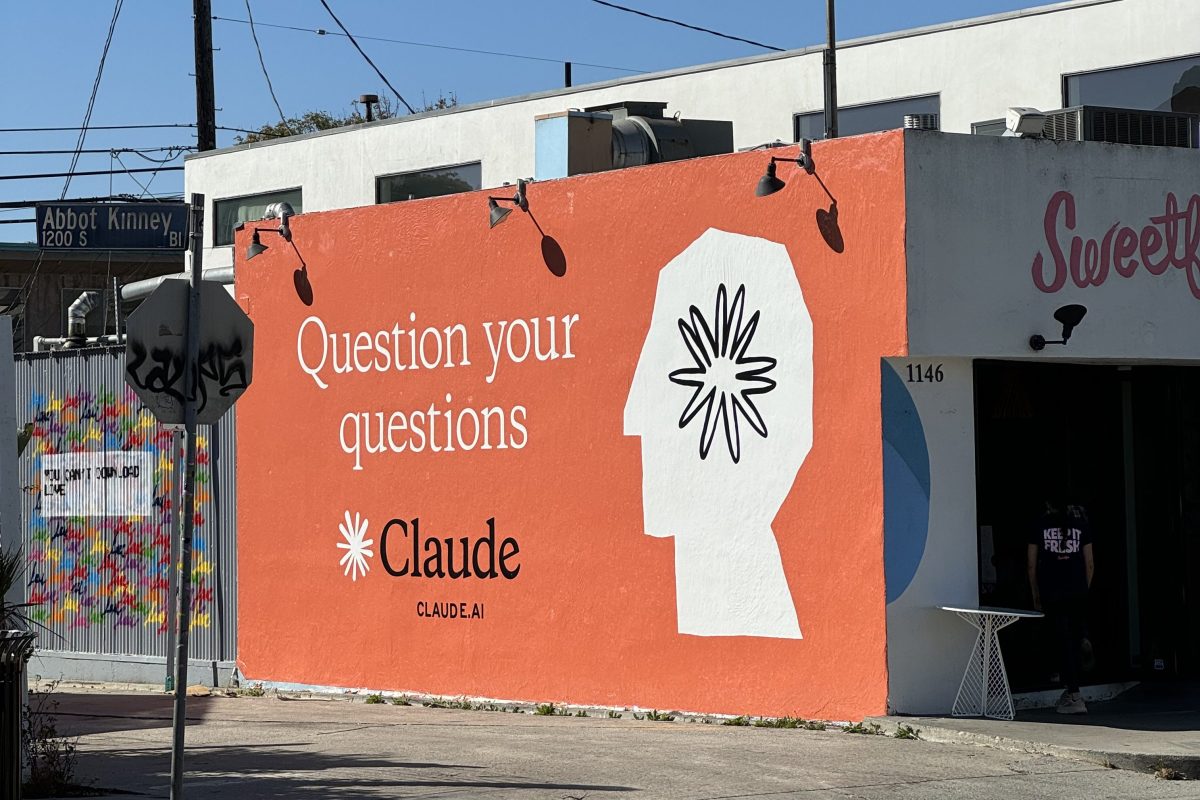
The artificial intelligence sector is experiencing a significant transformation as enterprise users and software developers increasingly favor Anthropic’s Claude over OpenAI’s long-standing flagship models. This shift marks a departure from the initial hype surrounding generative AI, with the market now prioritizing reliability, specialized utility, and the ability to execute complex, agentic workflows. Professionals are finding that Claude’s architecture is particularly well-suited for intricate coding tasks and the automation of multifaceted business processes, positioning it as a formidable challenger to OpenAI’s market supremacy.
OpenAI, while maintaining a massive financial footprint, has faced a period of internal strategic uncertainty and public scrutiny. Concerns regarding the company’s long-term direction, coupled with the cancellation of several high-profile projects and potential shifts toward advertising-heavy models, have created an opening for competitors to capture market share. In response, OpenAI has moved to defend its territory by introducing premium subscription tiers priced at $100, aimed at retaining high-value power users and bolstering its suite of professional coding tools.
This intensifying rivalry signals the end of a single-vendor era in the AI landscape. The competition is no longer solely about who arrived first, but rather which entity can provide the most secure and efficient tools for modern enterprise requirements. As both companies continue to iterate at a rapid pace, the broader ecosystem is seeing a surge in innovation, ultimately providing end users with more robust and capable artificial intelligence solutions.
Key Takeaways
- Anthropic’s Claude is rapidly gaining market share among enterprise professionals and developers.
- The industry is pivoting toward 'agentic AI,' which focuses on autonomous task execution rather than simple content generation.
- OpenAI is responding to increased competition by launching high-tier subscription models to retain its core user base.
Editor’s Analysis & Impact
The rivalry between OpenAI and Anthropic marks a critical maturation point for the generative AI industry. For years, OpenAI benefited from a ‘first-mover’ advantage that allowed it to define the consumer AI experience. However, as the market shifts toward enterprise-grade agentic systems, the requirements for success have changed. Reliability, integration, and specialized performance are now the primary drivers of adoption. Anthropic’s rise suggests that the market is becoming increasingly fragmented, which is a healthy development for competition. While OpenAI remains a formidable financial force, its ability to maintain its lead will depend on its capacity to resolve internal strategic friction and deliver consistent, high-value updates. The broader implication is that we are entering a ‘post-monopoly’ phase of AI, where users will likely benefit from a multi-vendor ecosystem that forces rapid, iterative innovation across the entire sector.
Frequently Asked Questions
Q: What is agentic AI?
A: Agentic AI refers to systems designed to perform complex, multi-step tasks autonomously, such as writing and executing code or managing business workflows, rather than simply generating text or answering simple queries.
Q: Why are users shifting from ChatGPT to Claude?
A: Many developers and enterprise users are gravitating toward Claude due to its perceived reliability, advanced coding capabilities, and the specific way it handles complex, multi-step automation tasks compared to its competitors.
AI Disclosure: This article is based on verified data and official reports. Our Team and AI have cross-referenced every financial detail with primary sources to ensure total accuracy.
More from this Category