Luxury Sector Stumbles as Middle East Conflict and Weak Demand Weigh on Earnings
The luxury goods sector faced a sharp downturn on Wednesday as major industry players reported disappointing first-quarter earnings, exacerbated by geopolitical instability in the Middle East. Shares of Hermes and Kering led the decline, dragging down the broader European luxury market as investors reacted to cooling demand and regional volatility.
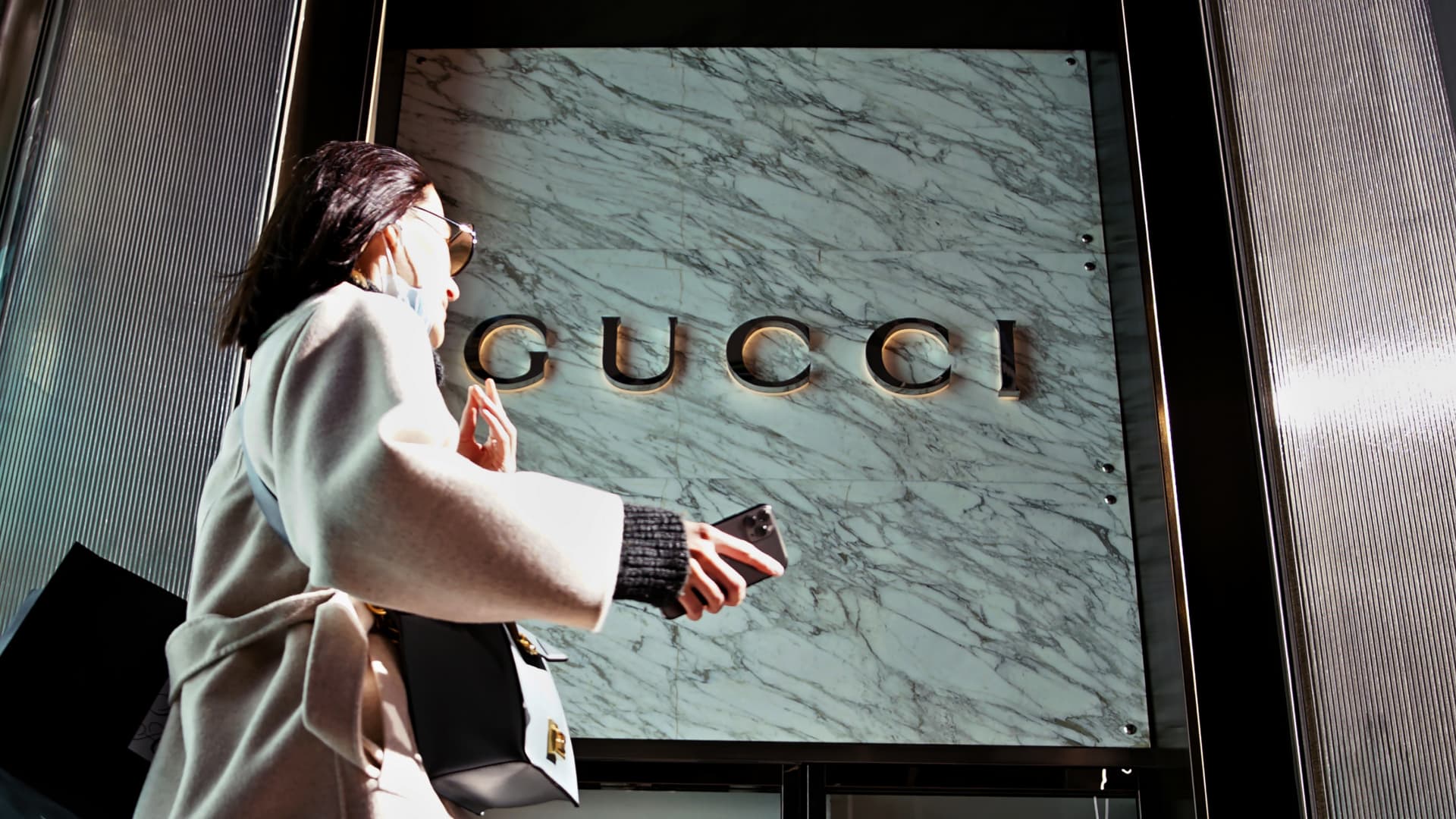
Hermes saw its stock price drop by 14% despite reporting a 5.6% year-on-year increase in total sales to 4.1 billion euros. The company acknowledged that its performance was significantly hindered by the situation in the Middle East, which impacted both retail and wholesale activity. Similarly, Kering reported a 6% decline in revenue, with its flagship brand, Gucci, suffering an 8% drop in organic sales—a figure that surpassed analyst expectations for a downturn.
The broader luxury market, including brands such as Burberry, Christian Dior, LVMH, and Moncler, also felt the pressure, with shares falling between 2% and 3%. Industry analysts point to a combination of factors, including the ongoing conflict in the Middle East, which has disrupted tourist flows and retail spending, and a broader cooling of demand in key markets like China. This follows a period of post-pandemic contraction, as companies struggle to maintain the momentum of the boom years that ended in 2022.
As Kering prepares for its upcoming Capital Markets Day, investors are looking for clarity on the company’s strategic turnaround efforts. While the Middle East represents a relatively small portion of total retail revenue for these firms, the region had previously served as a vital growth engine. The current volatility, coupled with broader economic uncertainty, has forced a reality check for investors who had been banking on a swift recovery in luxury spending throughout the year.
Key Takeaways
- Luxury stocks experienced a significant sell-off following disappointing Q1 earnings reports from industry leaders Hermes and Kering.
- Geopolitical tensions in the Middle East have negatively impacted retail and wholesale luxury sales, adding to existing concerns over slowing demand in China.
- Kering's flagship brand, Gucci, continues to struggle, with investors now focused on the company's upcoming strategic roadmap to drive a turnaround.
Editor’s Analysis & Impact
The recent slump in luxury stocks highlights a fragile transition period for the sector. After the unprecedented growth surge during the pandemic, luxury houses are now grappling with ‘normalization’—a process complicated by macroeconomic headwinds and geopolitical instability. The market’s reaction to the Middle East conflict underscores how sensitive luxury demand is to regional stability and international travel patterns. Furthermore, the struggles at Gucci serve as a case study for the difficulty of executing a brand turnaround in a high-interest-rate environment where consumers are increasingly price-sensitive. Moving forward, the industry’s ability to recover will likely depend on whether management teams can successfully pivot their strategies to regain consumer trust while navigating a more cautious global economic landscape. Investors should expect continued volatility until there is clear evidence of a sustained rebound in Chinese consumer sentiment and a stabilization of global trade routes.
Frequently Asked Questions
Q: Why are luxury stocks falling despite some companies reporting sales growth?
A: While some companies like Hermes reported year-on-year growth, the figures often fell short of analyst expectations. Additionally, investors are reacting to the broader trend of slowing demand and the negative impact of geopolitical instability on regional retail performance.
Q: How much does the Middle East contribute to the revenue of major luxury brands?
A: For many large luxury conglomerates, the Middle East typically accounts for mid-single digits of total retail revenue. However, it had been a consistent growth driver for the sector before the recent escalation of regional conflicts.
AI Disclosure: This article is based on verified data and official reports. Our Team and AI have cross-referenced every financial detail with primary sources to ensure total accuracy.
More from this Category