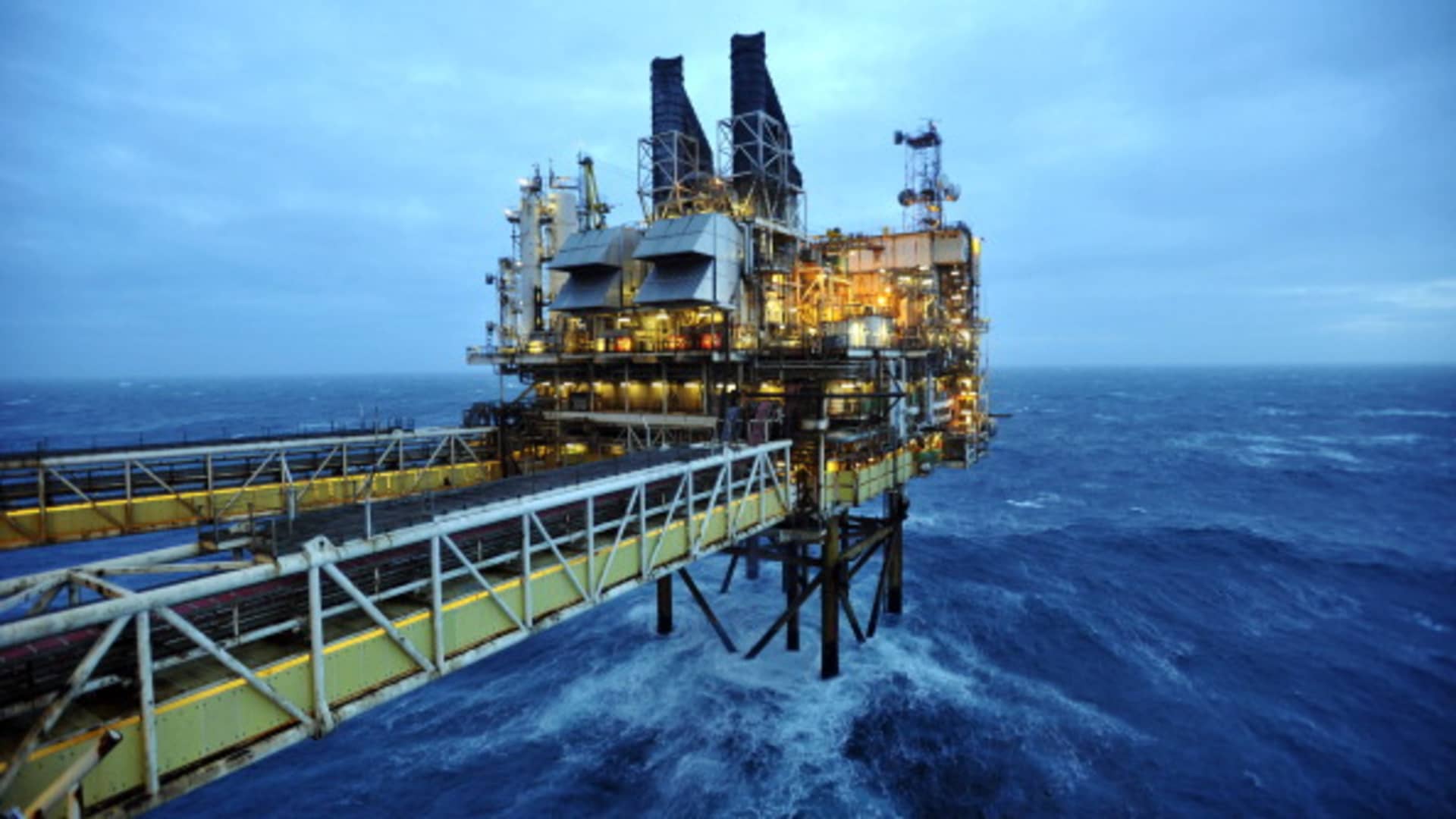
Donald Trump Challenges UK Energy Policy with Renewed Calls for North Sea Drilling
Former U.S. President Donald Trump has publicly criticized the United Kingdom’s current energy strategy, advocating for a massive expansion of oil and gas extraction in the North Sea. By reviving his signature ‘drill, baby, drill’ slogan, Trump is directly challenging the British government’s commitment to transitioning toward renewable energy sources. He argued that the UK is failing to capitalize on its own natural resources, suggesting that the nation should prioritize domestic production to secure energy independence rather than relying on imports.
Trump’s remarks specifically targeted the UK’s decision to pause new oil and gas licensing, describing the move as a missed opportunity. He pointed to Norway as a successful model for North Sea exploitation, suggesting that the UK is in a superior geographic position to benefit from these reserves. His comments come at a time when global energy markets are experiencing significant volatility due to geopolitical tensions, leading to concerns over supply stability and rising costs for consumers.
In response, the UK government has maintained that the current energy crisis serves as a catalyst for accelerating the shift toward clean, homegrown power. Officials argue that long-term energy security is best achieved by reducing dependence on volatile fossil fuel markets. While some political factions and labor groups have echoed calls for increased domestic production, energy experts warn that the North Sea is a mature basin in terminal decline. Analysts emphasize that the geological reality of the region limits the potential for significant production increases, regardless of political policy changes, suggesting that a focus on sustainable energy remains the more viable long-term strategy.
Key Takeaways
- Donald Trump has urged the UK to abandon its transition toward renewables in favor of expanding North Sea oil and gas production.
- The UK government maintains that the current energy crisis justifies an accelerated shift toward clean energy to ensure long-term independence.
- Energy analysts warn that the North Sea is a mature basin with declining reserves, making it an unreliable solution for long-term energy security.
Editor’s Analysis & Impact
The clash between political rhetoric and geological reality highlights the complex challenge facing Western nations as they navigate the energy transition. Trump’s intervention underscores a growing global divide between those who view fossil fuels as a necessary hedge against geopolitical instability and those who view them as a stranded asset in the face of climate goals. From a market perspective, the North Sea is indeed a declining asset, and capital expenditure on new extraction projects may yield diminishing returns compared to investments in offshore wind or hydrogen. However, the political pressure to lower immediate energy costs remains a potent force. The future outlook suggests that while political debates will continue to favor ‘drill’ rhetoric for short-term populist appeal, the structural shift toward renewables is likely to persist due to the physical limitations of aging oil basins and international climate commitments.
Frequently Asked Questions
Q: Why is Donald Trump calling for more drilling in the North Sea?
A: Trump argues that the UK is failing to utilize its own natural resources, which he believes would lower energy costs and reduce dependence on foreign imports.
Q: What is the expert consensus on increasing North Sea oil production?
A: Most energy analysts argue that the North Sea is a mature basin in long-term decline, meaning that new licenses are unlikely to significantly reverse the downward trend in production.
AI Disclosure: This article is based on verified data and official reports. Our Team and AI have cross-referenced every financial detail with primary sources to ensure total accuracy.
More from this Category