Artificial Intelligence Sector Flexes Political Muscle Ahead of Midterms
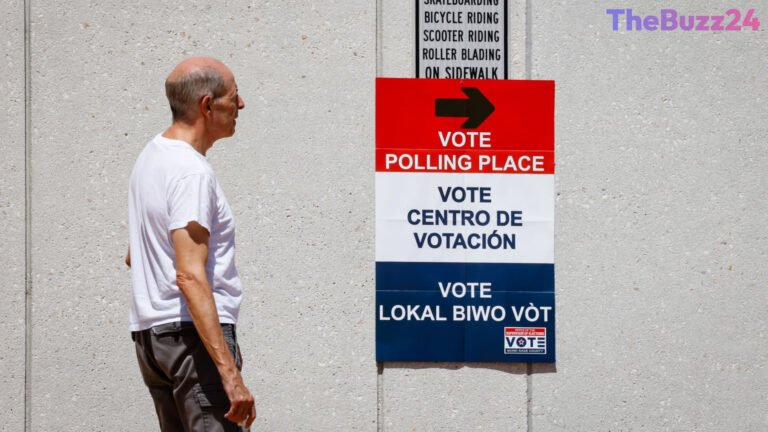
The artificial intelligence industry is exerting significant influence on the upcoming midterm elections, marked by a surge in political fundraising that has sparked intense debate. The Super PAC ‘Leading the Future’ recently reported raising $15 million in the first quarter of 2026, bringing its total haul for the current election cycle to $140 million. This financial momentum highlights the sector’s aggressive push to shape legislative priorities through substantial capital investment.
Backing the PAC are several high-profile figures and firms within the technology and venture capital landscape, including Andreessen Horowitz, OpenAI co-founder Greg Brockman, Palantir co-founder Joe Lonsdale, SV Angel founder Ron Conway, and the AI firm Perplexity. In a move to establish bipartisan influence, the organization has begun endorsing candidates from both major political parties, recently backing five House Democrats: Josh Gottheimer, Sam Liccardo, Yvette Clarke, Suhas Subramanyam, and Jimmy Gomez.
This strategic financial involvement has triggered a backlash from a coalition of advocacy groups, including The Tech Oversight Project. These organizations have formally requested that the endorsed lawmakers disavow the PAC, labeling it a mouthpiece for the broader AI industry. Critics argue that the industry is using its financial power to distract from critical concerns, such as the environmental impact of AI energy consumption, corporate overreach, and potential risks to youth safety. As the election cycle progresses, the tension between tech-driven political spending and public accountability continues to intensify.
Key Takeaways
- The Super PAC 'Leading the Future' has raised $140 million this cycle, signaling a major increase in AI industry political engagement.
- Prominent tech figures and venture capital firms are providing the financial backing for the PAC's bipartisan endorsement strategy.
- Advocacy groups are pressuring endorsed Democratic lawmakers to reject the PAC's support, citing concerns over industry influence and societal harm.
Editor’s Analysis & Impact
The aggressive entry of AI-focused capital into the political arena marks a pivotal shift in how the technology sector interacts with federal governance. By targeting both sides of the aisle, the industry is attempting to secure a favorable regulatory environment before AI policy becomes fully entrenched in law. However, the backlash from advocacy groups suggests that the ‘Big Tech’ narrative is evolving to include AI, potentially making it a toxic issue for some candidates. The future outlook suggests that as AI becomes more integrated into the economy, the pressure for transparency in political spending will only mount. Lawmakers will increasingly find themselves caught between the need for industry-backed innovation funding and the growing public demand for stricter oversight regarding energy usage, data privacy, and the ethical deployment of autonomous systems.
Frequently Asked Questions
Q: What is the primary goal of the 'Leading the Future' Super PAC?
A: The PAC aims to influence the midterm elections by providing financial support to bipartisan candidates who align with the interests of the AI industry.
Q: Why are advocacy groups calling for lawmakers to disavow the PAC?
A: Critics argue that the PAC serves as a front for the AI industry to deflect scrutiny regarding issues like energy consumption, corporate overreach, and potential societal harms.
AI Disclosure: This article is based on verified data and official reports. Our Team and AI have cross-referenced every financial detail with primary sources to ensure total accuracy.
More from this Category