Chinese Autonomous Tech Giants Pivot to UAE for Global Robotaxi Expansion
Major Chinese autonomous driving firms are rapidly scaling their operations within the United Arab Emirates, positioning the nation as a central hub for the international deployment of driverless vehicle technology. Despite broader geopolitical complexities, industry leaders are prioritizing the region to test and commercialize their fleets, viewing the UAE as a vital gateway for global expansion.
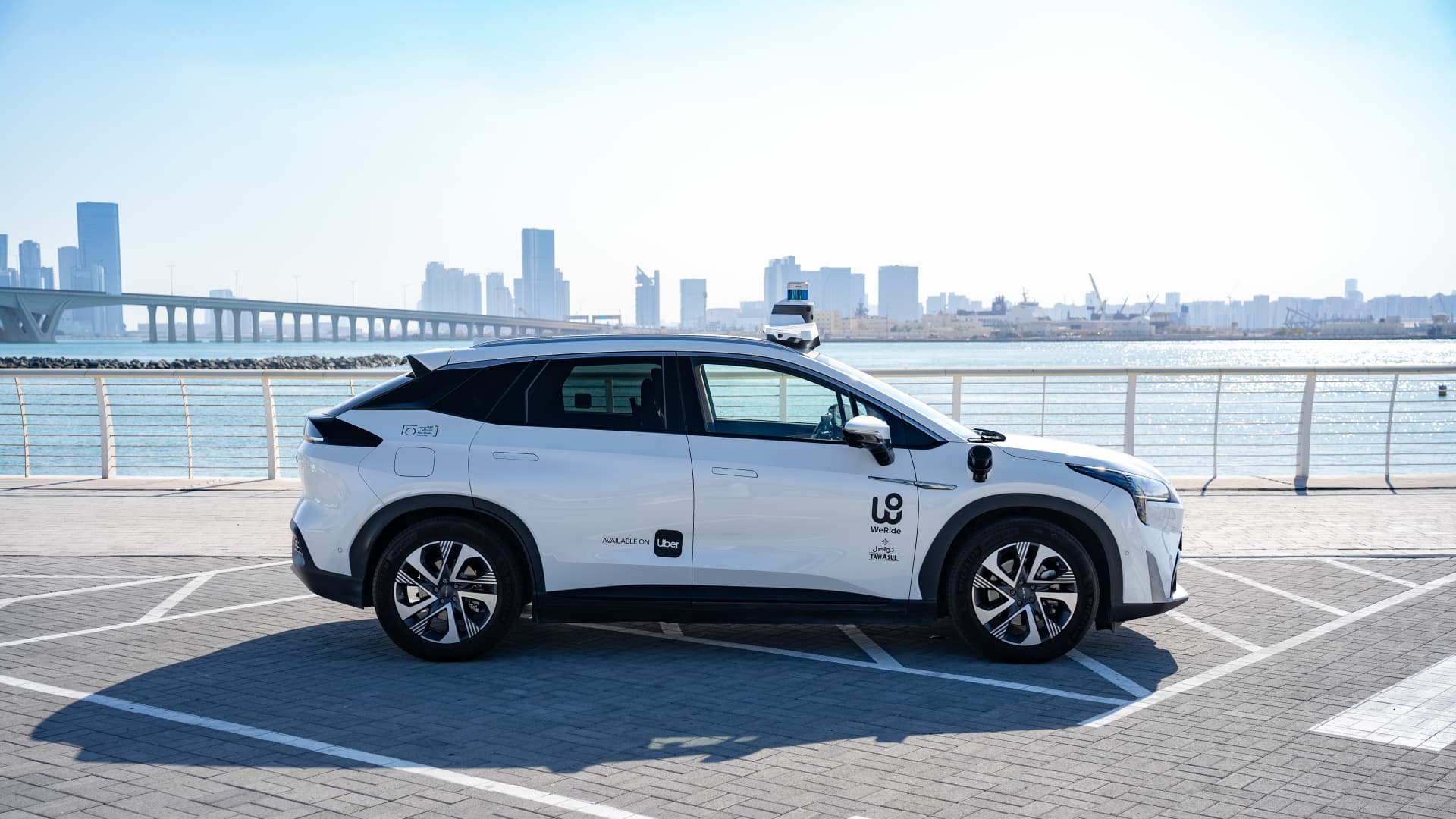
Didi has confirmed plans to launch its first overseas robotaxi pilot program in the UAE before the end of the year. This initiative follows the successful entry of WeRide, which has already begun operating fully driverless, fare-charging services in Dubai’s Jumeirah and Umm Suqeim districts. WeRide has further integrated its services into the Uber platform, streamlining the booking process for local users and tourists alike.
The commercial momentum continues with other industry heavyweights, including Pony.ai and Baidu’s Apollo Go. Pony.ai is currently in the process of securing a commercial license for its autonomous fleet, signaling a long-term commitment to the region. Meanwhile, Apollo Go has already introduced its driverless ride-hailing services in Dubai, supported by local government mandates that aim to scale the autonomous fleet to over 1,000 vehicles in the near future.
As global competitors like Alphabet-backed Waymo focus on expansion across the United States, Europe, and Japan, the aggressive push by Chinese firms into the Middle East underscores a fierce race to dominate the autonomous transport sector. By utilizing the UAE as a primary testing ground, these companies are refining their proprietary technology and developing sustainable commercial models that could eventually reshape urban mobility on a global scale.
Key Takeaways
- Major Chinese autonomous firms like Didi, WeRide, and Baidu are aggressively expanding their robotaxi operations into the UAE.
- Dubai has become a primary testing and commercial hub, with local authorities planning to scale autonomous fleets to over 1,000 vehicles.
- The UAE is serving as a strategic international testing ground for Chinese tech companies to refine their technology outside of their domestic market.
Editor’s Analysis & Impact
The rapid expansion of Chinese autonomous driving firms into the UAE represents a strategic pivot in the global race for mobility dominance. By securing a foothold in the Middle East, these companies are effectively bypassing the regulatory and competitive saturation found in Western markets. The UAE’s proactive regulatory environment and infrastructure investment provide an ideal sandbox for these firms to iterate on their technology at scale. This move not only challenges the current market leadership of Western entities like Waymo but also signals a shift in the global supply chain for autonomous transport. If these companies successfully achieve their fleet-scaling targets in Dubai, they will likely establish a blueprint for autonomous deployment in other emerging markets, potentially setting the global standard for robotaxi commercialization and operational efficiency.
Frequently Asked Questions
Q: Why are Chinese autonomous firms choosing the UAE for expansion?
A: The UAE offers a favorable regulatory environment, significant infrastructure investment, and a strategic location that serves as a gateway for these companies to test and commercialize their technology outside of China.
Q: Which Chinese companies are currently active in the UAE's autonomous market?
A: Key players currently active or entering the market include Didi, WeRide, Pony.ai, and Baidu’s Apollo Go unit.
AI Disclosure: This article is based on verified data and official reports. Our Team and AI have cross-referenced every financial detail with primary sources to ensure total accuracy.
More from this Category