Nairobi Court Hands Down Prison Sentence in International Ant Trafficking Case
A Nairobi court has sentenced Chinese national Zhang Kequn to one year in prison following his conviction for attempting to smuggle over 2,000 live queen garden ants out of Kenya. In addition to the custodial sentence, the court ordered Kequn to pay a fine of 1 million Kenyan shillings. Presiding Judge Irene Gichobi highlighted the defendant’s lack of remorse during the proceedings, underscoring the need for a strict deterrent to curb the growing trend of illegal insect trafficking.
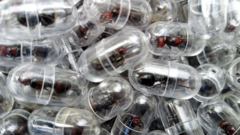
Kequn was intercepted at Nairobi’s international airport last March while attempting to board a flight to China. The insects were discovered concealed within his luggage. Investigations revealed that the ants had been sourced from a local supplier, Charles Mwangi, who is currently facing separate legal proceedings and remains out on bail. The court noted that the ants were destined for the collector markets in Asia and Europe, where a single queen ant can command prices as high as $220.
Following the completion of his prison term, Kequn is mandated to be deported to China. While the defense has signaled an intent to appeal the ruling within the 14-day legal window, the conviction marks a significant development in the regional crackdown on wildlife smuggling. Authorities remain concerned about the ecological risks posed by the illicit trade of non-native species, which continues to gain momentum as a niche but lucrative global market.
Key Takeaways
- Zhang Kequn received a one-year prison sentence and a 1 million Kenyan shilling fine for smuggling 2,000 queen garden ants.
- The ants were intended for high-value collector markets in Asia and Europe, where individual queens can sell for up to $220.
- The court has ordered the deportation of the defendant upon the completion of his sentence, signaling a firm stance against wildlife trafficking.
Editor’s Analysis & Impact
The sentencing of Zhang Kequn highlights an emerging and often overlooked frontier in wildlife trafficking: the illicit trade of insects. While global enforcement efforts have historically focused on charismatic megafauna, the high profit margins associated with rare or exotic insects have created a lucrative black market. This case serves as a warning to international collectors and smugglers that authorities are increasingly monitoring non-traditional wildlife exports. The broader implication is a tightening of customs and biosecurity protocols in East Africa to prevent the ecological disruption caused by the introduction of invasive species. As demand for exotic pets and biological specimens grows, international cooperation will be essential to dismantle the supply chains that connect local suppliers to global collectors, ensuring that biodiversity is protected from commercial exploitation.
Frequently Asked Questions
Q: Why are queen garden ants being smuggled?
A: Queen ants are highly sought after in the collector market in Asia and Europe, where they can be sold for as much as $220 each, making them a profitable commodity for traffickers.
Q: What happens to the defendant after his prison sentence?
A: Upon completing his one-year prison term, the court has mandated that Zhang Kequn be deported back to China.
AI Disclosure: This article is based on verified data and official reports. Our Team and AI have cross-referenced every financial detail with primary sources to ensure total accuracy.
More from this Category