Caterpillar Absorbs Assets of Autonomous Farming Pioneer Monarch Tractor
Construction equipment titan Caterpillar has officially acquired the assets of Monarch Tractor, marking the end of a turbulent chapter for the once-promising agricultural technology startup. The acquisition follows a period of severe operational instability for Monarch, which had struggled to maintain its market position after pivoting away from hardware manufacturing toward a software-licensing model. The deal concludes a difficult stretch for the company, which had secured over $200 million in funding since its inception in 2018.
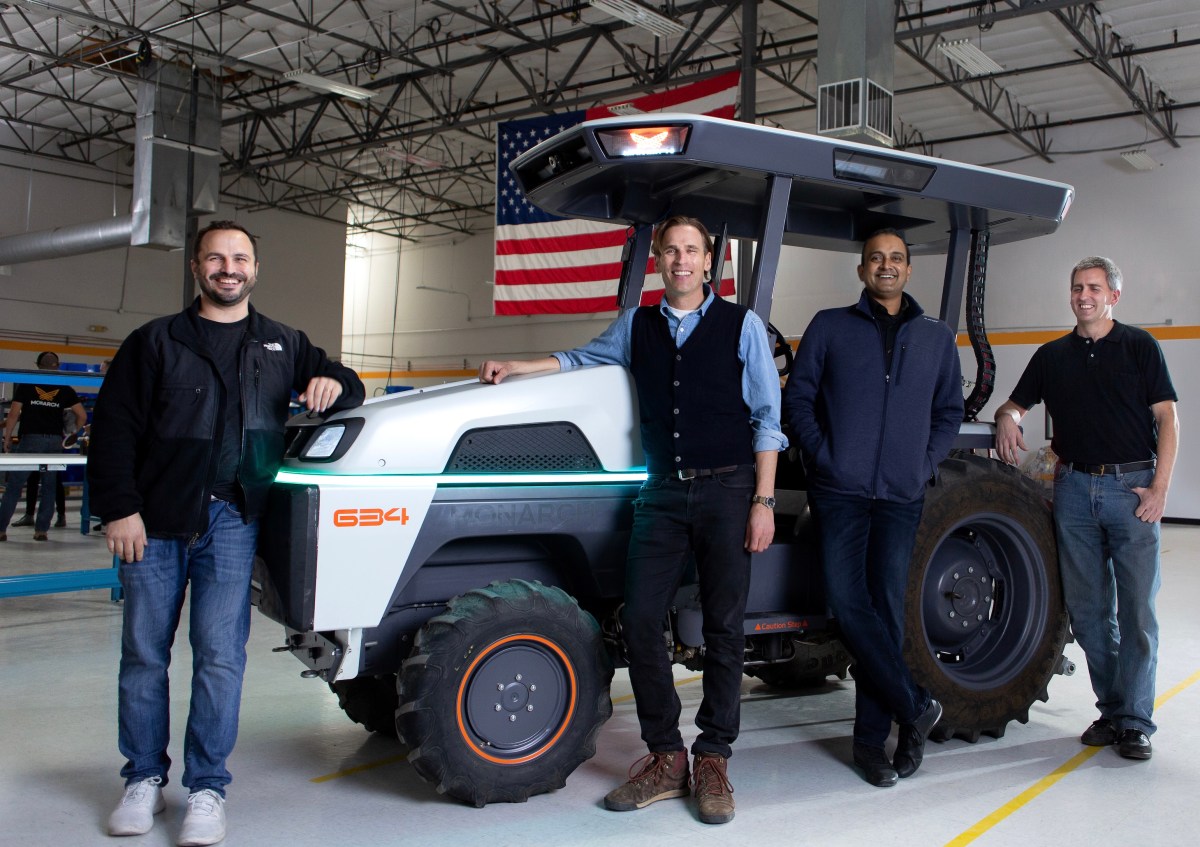
Monarch Tractor was launched by a high-profile team including Carlo Mondavi, Praveen Penmetsa, and former Tesla executive Mark Schwager with the ambitious goal of deploying driver-optional, electric tractors to modernize farming. Despite the initial hype, the company faced a series of catastrophic setbacks, most notably the collapse of its manufacturing partnership with Foxconn. The loss of its Ohio production facility, combined with widespread layoffs throughout 2024 and 2025, forced the startup to attempt a desperate strategic pivot that ultimately failed to stabilize its finances.
Internal discord and legal challenges further accelerated the company’s decline. Co-founder Carlo Mondavi reportedly exited the firm following disagreements over the company’s shift away from hardware reliability, while several dealers initiated lawsuits claiming the startup’s autonomous technology was defective. To resolve its mounting obligations, Monarch entered into an assignment for the benefit of creditors. With Caterpillar now in possession of the technology, the future of the autonomous farming vision originally championed by Monarch will be integrated into the global equipment giant’s broader industrial portfolio.
Key Takeaways
- Caterpillar has acquired the assets of Monarch Tractor following the startup's financial collapse.
- Monarch faced significant hurdles, including the loss of a key manufacturing partner and multiple lawsuits regarding technology performance.
- The acquisition marks the end of Monarch's independent operations, with its intellectual property now under the control of Caterpillar.
Editor’s Analysis & Impact
The acquisition of Monarch Tractor by Caterpillar highlights the ongoing consolidation within the agricultural technology sector. While the promise of autonomous, electric farming equipment remains high, this case serves as a cautionary tale regarding the difficulty of scaling hardware-heavy startups. Monarch’s failure to maintain manufacturing partnerships and its subsequent pivot to software licensing proved insufficient to overcome its capital-intensive business model. For Caterpillar, this acquisition is a strategic play to bolster its own autonomous capabilities and intellectual property portfolio without the burden of the startup’s legacy legal and operational baggage. Moving forward, we expect major industrial players to continue absorbing smaller, distressed tech firms to accelerate their R&D timelines, signaling a shift toward ‘buy-versus-build’ strategies in the race to automate heavy machinery and agricultural operations.
Frequently Asked Questions
Q: Why did Monarch Tractor fail?
A: Monarch faced a combination of manufacturing failures, specifically the loss of its partnership with Foxconn, internal leadership disputes, and legal challenges from dealers regarding the reliability of its autonomous technology.
Q: What happens to Monarch's technology now?
A: Following the acquisition, the technology and assets previously held by Monarch Tractor are now under the control of Caterpillar, which will likely integrate these innovations into its own equipment lines.
AI Disclosure: This article is based on verified data and official reports. Our Team and AI have cross-referenced every financial detail with primary sources to ensure total accuracy.
More from this Category