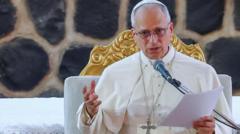
Pope Leo Challenges Global Leadership and Military Spending During African Peace Mission
Pope Leo has issued a stern rebuke of global leaders who prioritize military expansion over humanitarian efforts, describing the current state of the world as being under the influence of a small group of tyrants. During a high-profile visit to Cameroon, the Pontiff highlighted the devastating disparity between the billions of dollars funneled into weaponry and the lack of funding for education, healthcare, and social restoration. He emphasized that the destruction caused by conflict often takes generations to repair, urging a shift in priorities toward human welfare.
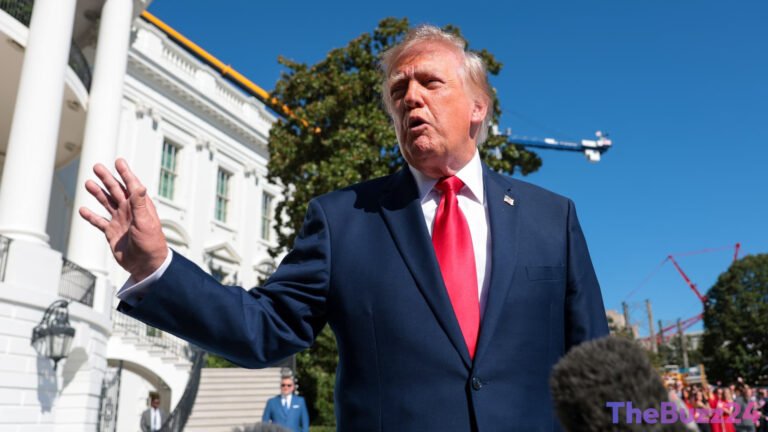
These remarks come amid a period of heightened diplomatic friction between the Vatican and the United States. Pope Leo has been a vocal critic of the current US administration’s foreign policy, particularly regarding military threats toward Iran and domestic immigration policies. In response to the Pope’s public concerns, President Donald Trump utilized social media to criticize the Pontiff’s leadership and foreign policy stance. Despite this public confrontation, Pope Leo has maintained a firm position, stating he harbors no fear of the administration and remains committed to his advocacy for global peace.
While in the conflict-affected city of Bamenda, Cameroon, the Pope addressed the ongoing insurgency that has plagued the region for nearly a decade. He condemned the exploitation of local resources to fund further violence, calling for an end to the cycle of destabilization. Drawing on religious texts, he argued that faith should never be used to justify war or violence. The Pontiff’s tour across Africa, which includes visits to four nations, highlights the continent’s increasing importance to the global Catholic community and reinforces his role as a leading international advocate for reconciliation and social justice.
Key Takeaways
- Pope Leo criticized global leaders for prioritizing military spending over essential human needs like healthcare and education.
- The Pontiff remains in a public diplomatic standoff with President Donald Trump over foreign policy and military actions in Iran.
- During his African tour, the Pope specifically addressed the long-standing insurgency in Cameroon, calling for peace and reconciliation.
Editor’s Analysis & Impact
Pope Leo’s recent comments signal a strategic shift in the Vatican’s approach to international diplomacy, moving from passive observation to active, vocal opposition against global military industrialization. By directly challenging a major world power like the United States, the Pope is positioning the Church as a moral counterweight to nationalist foreign policies. This stance carries significant geopolitical weight, particularly as the Catholic Church continues to expand its influence in Africa, a region increasingly caught in the crosshairs of global power struggles. The long-term implication is a potential deepening of the rift between the Vatican and Western political administrations that prioritize hard-power tactics. As the Pope continues to frame military spending as a moral failure, he is likely to gain support from humanitarian-focused global coalitions while simultaneously inviting further political hostility from leaders who view his rhetoric as an impediment to their national security agendas.
Frequently Asked Questions
Q: Why is Pope Leo criticizing current global military spending?
A: Pope Leo argues that the vast financial resources currently directed toward weapons and war should instead be invested in human development, such as education, healthcare, and infrastructure.
Q: What is the nature of the disagreement between Pope Leo and President Donald Trump?
A: The tension stems from the Pope's criticism of the US administration's foreign policy, specifically regarding threats toward Iran and immigration policies, which President Trump has publicly dismissed as weak and ineffective.
AI Disclosure: This article is based on verified data and official reports. Our Team and AI have cross-referenced every financial detail with primary sources to ensure total accuracy.
More from this Category