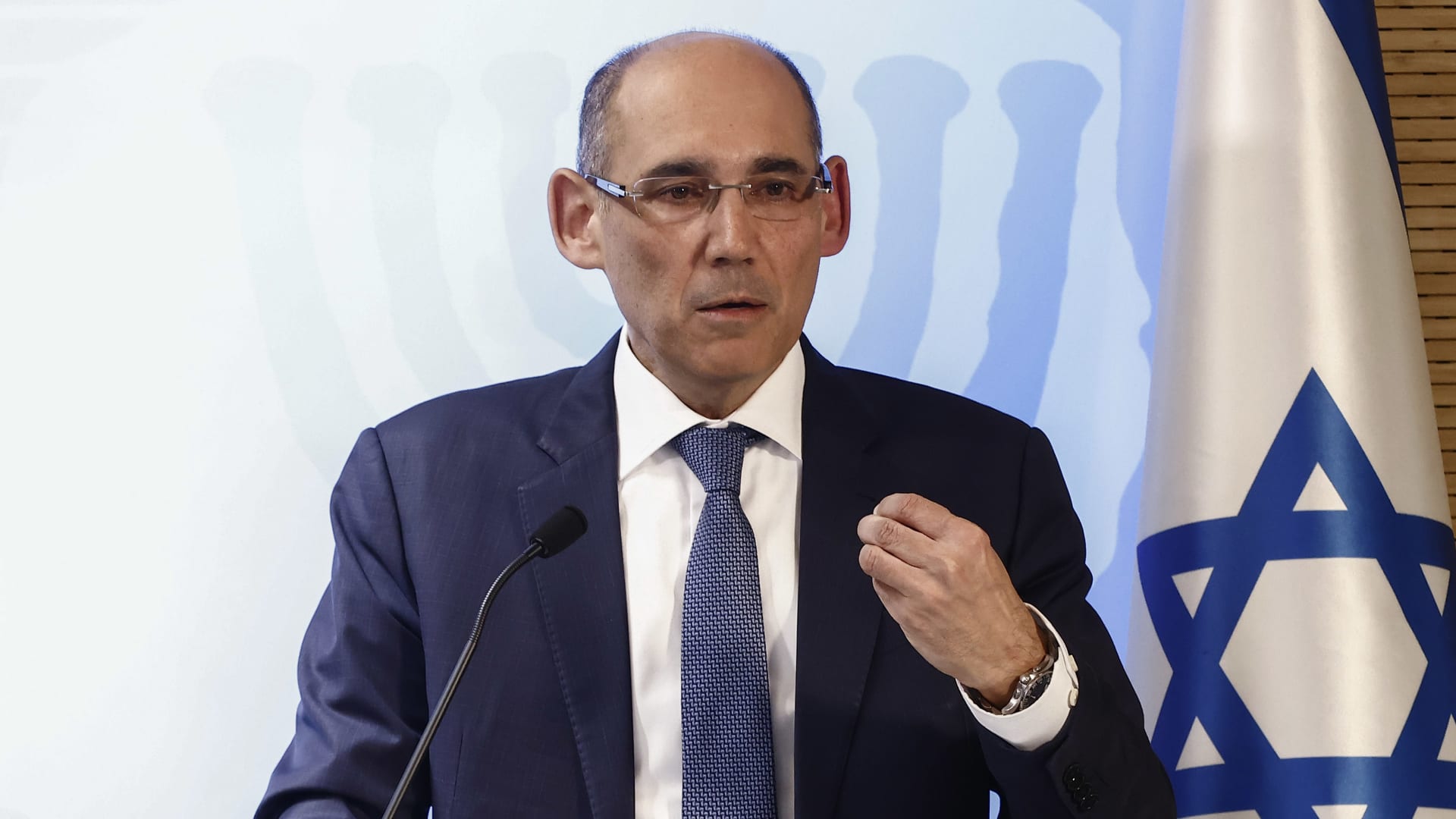
Bank of Israel Projects Economic Rebound Contingent on Regional Stability
The Bank of Israel is currently navigating a complex economic landscape defined by significant regional volatility. As ongoing conflicts in Lebanon and Iran continue to weigh on national growth, the central bank has revised its 2026 growth forecast downward to 3.8%, a notable shift from the previously anticipated 5.2%. Despite these adjustments, leadership remains optimistic about a potential recovery, with projections suggesting growth could climb to 5.5% by 2027, provided that a lasting resolution to regional hostilities is achieved.
Since the onset of heightened military activity in late 2023, the Israeli economy has displayed surprising resilience. Key sectors, particularly high-tech innovation and defense, have acted as primary drivers of stability. Global demand for advanced defense systems has led to substantial backlogs for manufacturers, helping to bolster market indicators such as the shekel’s performance and credit default swap levels. This industrial agility has provided a necessary buffer against the broader economic pressures of a wartime environment.
Looking toward the near future, the central bank anticipates inflation will stabilize within the low 2% range. This outlook serves as a cornerstone for upcoming monetary policy decisions. Should geopolitical tensions subside and the labor market normalize as reservists return to the workforce, the Bank of Israel may consider implementing interest rate cuts as early as the first quarter of next year. However, officials maintain that these forecasts are inherently sensitive to the unpredictable nature of Middle Eastern geopolitics.
Key Takeaways
- The Bank of Israel has lowered its 2026 growth forecast to 3.8% but anticipates a potential rebound to 5.5% by 2027.
- Defense and high-tech sectors remain strong, providing critical stability to the national economy during the ongoing conflict.
- Future interest rate cuts are being considered for early 2026, contingent upon geopolitical stabilization and labor market recovery.
Editor’s Analysis & Impact
The Israeli economy is currently caught in a delicate balancing act between wartime fiscal strain and the inherent strength of its innovation-led industrial base. The reliance on the defense and high-tech sectors has proven to be a double-edged sword; while it provides immediate economic support through global demand, it also highlights the country’s vulnerability to regional instability. The Bank of Israel’s cautious optimism regarding 2027 growth underscores a belief that the underlying economic fundamentals remain robust. However, the path to recovery is heavily dependent on exogenous factors, specifically the cessation of hostilities and the subsequent reintegration of the workforce. Investors should view the projected interest rate cuts as a signal of the central bank’s confidence in long-term stabilization, though the volatility of the Middle East remains the primary risk factor for any medium-term economic outlook.
Frequently Asked Questions
Q: Why did the Bank of Israel lower its 2026 growth forecast?
A: The forecast was lowered from 5.2% to 3.8% primarily due to the ongoing regional conflicts in Lebanon and Iran, which have created significant economic uncertainty.
Q: What conditions are necessary for the Bank of Israel to cut interest rates?
A: The bank may consider rate cuts if geopolitical tensions ease, oil prices stabilize, and military reservists return to the workforce, thereby increasing the labor supply.
AI Disclosure: This article is based on verified data and official reports. Our Team and AI have cross-referenced every financial detail with primary sources to ensure total accuracy.
More from this Category