The Ternus Transition: Apple’s Strategic Pivot Toward an AI-Driven Future
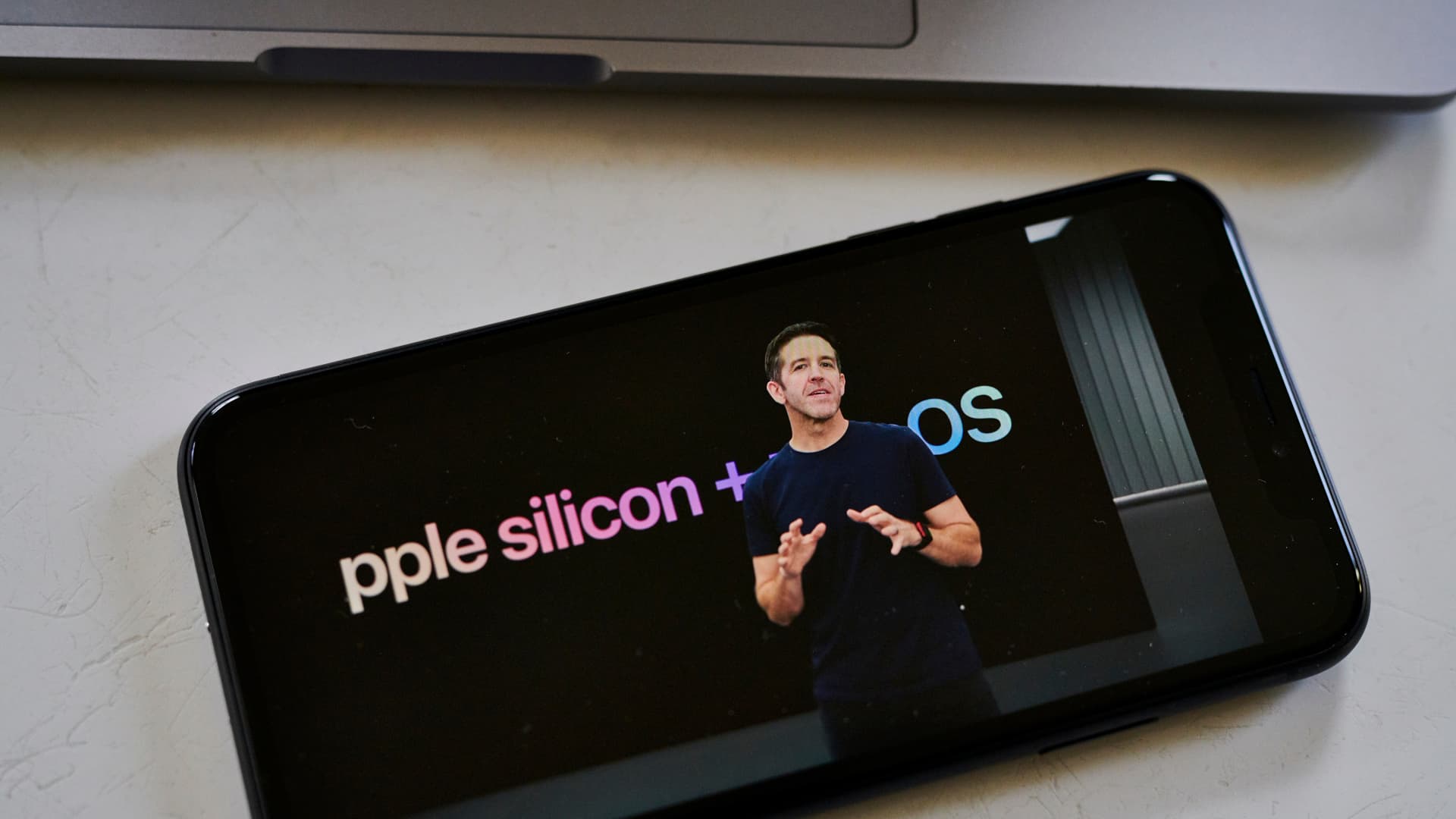
As Apple prepares for a significant leadership transition on September 1, John Ternus is set to step into the role of CEO, marking a pivotal moment for the technology giant. Currently serving as the head of hardware, Ternus inherits a company that boasts a $4 trillion market valuation but faces intense scrutiny regarding its position in the rapidly evolving artificial intelligence landscape. While the iPhone remains a dominant force in the market, the incoming administration must address the growing perception that Apple has trailed behind industry rivals in AI development.
Unlike major competitors such as Microsoft, Google, and Meta, which have invested heavily in massive data centers and proprietary large language models, Apple has maintained a more cautious, integration-focused strategy. By partnering with third-party providers like OpenAI and Google to bring features like ChatGPT and Gemini to its ecosystem, Apple has avoided the massive capital expenditures associated with building independent AI infrastructure. However, shareholders are increasingly demanding a more cohesive and proprietary vision that extends beyond simple third-party integration.
Ternus, a veteran with over two decades of experience at the company, is widely expected to lean into Apple’s core competency: hardware-software integration. The strategy appears to be shifting toward on-device AI processing, which aligns with the company’s long-standing commitment to user privacy and custom silicon development. This approach could differentiate Apple from its peers by offering high-performance AI capabilities that do not rely on cloud-based data harvesting.
Ultimately, the success of the Ternus era will likely be measured by the company’s ability to innovate beyond the smartphone. As generative AI fundamentally alters how consumers interact with technology, the new leadership must navigate the delicate balance between maintaining Apple’s premium privacy standards and meeting the market’s hunger for deeply personalized, intelligent digital experiences. The ability to successfully integrate AI into wearables, robotics, and future hardware will be the defining challenge of this new chapter.
Key Takeaways
- John Ternus will succeed Tim Cook as CEO on September 1, inheriting a company at a critical AI crossroads.
- Apple is shifting its focus toward on-device AI processing to leverage its proprietary silicon and maintain its privacy-first brand identity.
- The new leadership must prove it can innovate beyond the iPhone by integrating AI into new hardware categories like wearables and robotics.
Editor’s Analysis & Impact
The transition to John Ternus signals a strategic shift toward hardware-centric AI, which is a logical evolution for Apple given its vertical integration capabilities. By focusing on on-device processing, Apple is attempting to turn its historical ‘lag’ in cloud-based AI into a competitive advantage centered on privacy and latency. However, the market remains skeptical of whether this approach can match the rapid feature deployment seen by competitors. The broader implication is a potential decoupling of the AI market: one path dominated by massive cloud-based LLMs and another defined by edge-computing and privacy-focused hardware. If Ternus succeeds, Apple could set the standard for ‘personal AI’ that operates locally, potentially forcing a shift in how the entire industry approaches data security and user experience.
Frequently Asked Questions
Q: Who is the new CEO of Apple?
A: John Ternus, the current head of hardware, is set to become the CEO of Apple on September 1.
Q: What is Apple's current strategy regarding artificial intelligence?
A: Apple is currently utilizing a hybrid approach, integrating third-party AI services like ChatGPT and Gemini while simultaneously developing on-device AI capabilities that prioritize user privacy and silicon integration.
AI Disclosure: This article is based on verified data and official reports. Our Team and AI have cross-referenced every financial detail with primary sources to ensure total accuracy.
More from this Category