YouTube Expands AI Deepfake Protection to Entertainment Industry Figures
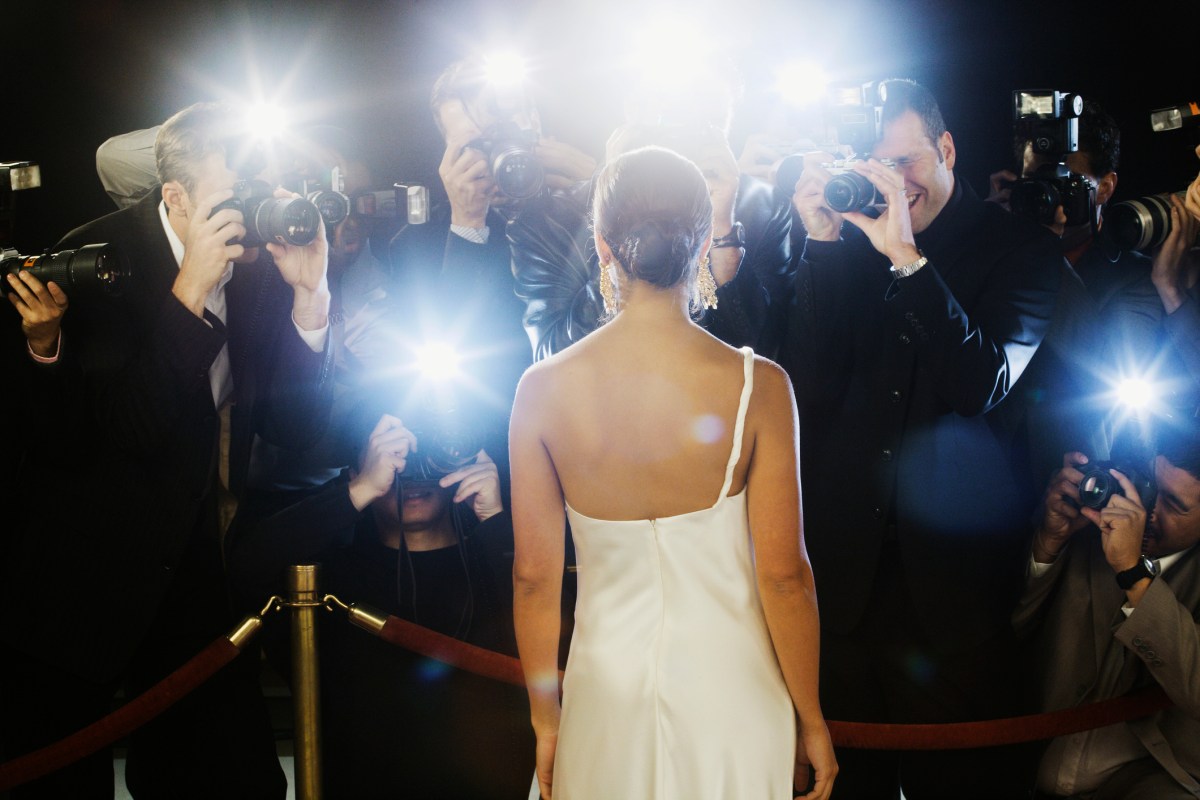
YouTube is significantly broadening the scope of its AI-powered likeness detection technology, extending its protective measures to include high-profile figures within the entertainment industry. This initiative, which mirrors the mechanics of the platform’s established Content ID system, is designed to proactively identify and manage unauthorized AI-generated depictions, commonly known as deepfakes. By granting talent agencies, management firms, and celebrities direct oversight of their digital identity, the platform aims to mitigate the growing threat of face-swapping in scam advertisements and unauthorized media.
The expansion follows a series of successful pilot programs that initially targeted a small group of creators before scaling to include journalists, politicians, and government officials earlier this year. Major industry entities, including CAA, UTA, WME, and Untitled Management, have partnered with the platform to refine the detection capabilities. A key feature of this rollout is that celebrities are not required to maintain an active YouTube channel to benefit from these protections; the system automatically scans the platform for visual matches of an enrolled participant’s face.
Upon the detection of a match, participants are empowered to request the removal of content based on privacy or copyright violations. The platform has clarified that while it aims to curb malicious misuse, it will continue to provide exceptions for parody and satire. Looking toward the future, the company is actively developing software to support audio detection. This technological advancement aligns with the platform’s broader advocacy for federal legislation, such as the NO FAKES Act, which seeks to establish comprehensive legal standards regarding the unauthorized use of an individual’s voice and visual likeness in the era of generative AI.
Key Takeaways
- YouTube is extending its AI-driven deepfake detection tools to protect celebrities and entertainment industry professionals.
- The system allows individuals to request the removal of unauthorized AI-generated content without needing an active YouTube channel.
- The platform is actively supporting the NO FAKES Act to establish federal legal standards for digital likeness rights.
Editor’s Analysis & Impact
YouTube’s expansion of its deepfake detection tools marks a critical shift in how major tech platforms handle the intersection of generative AI and intellectual property. By moving beyond simple content moderation and into the realm of digital identity protection, YouTube is positioning itself as a leader in corporate responsibility regarding AI ethics. This move is likely to pressure other social media giants to adopt similar, standardized detection frameworks. From a market perspective, this creates a new layer of security for talent agencies and brands, potentially stabilizing the value of celebrity likenesses in an increasingly volatile digital landscape. However, the reliance on automated detection systems raises long-term questions about the balance between protecting individual rights and preserving the creative freedom of parody and satire, which remain protected under current guidelines.
Frequently Asked Questions
Q: Do I need a YouTube channel to use these deepfake protection tools?
A: No, the system is designed to scan the platform for visual matches of an enrolled participant's face regardless of whether they maintain an active YouTube channel.
Q: Will all AI-generated content featuring a celebrity be removed?
A: Not necessarily. While the platform allows for the removal of unauthorized content, it maintains exceptions for content that qualifies as parody or satire.
AI Disclosure: This article is based on verified data and official reports. Our Team and AI have cross-referenced every financial detail with primary sources to ensure total accuracy.
More from this Category