Taiwanese Presidential Diplomatic Mission Stalled by Sudden Flight Permit Revocations
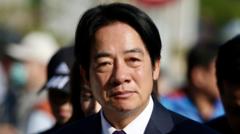
President Lai Ching-te has been forced to cancel a high-profile diplomatic visit to Eswatini, Taiwan’s only remaining diplomatic partner in Africa, following a sudden and coordinated denial of flight permits. The presidential aircraft was grounded after authorities in Seychelles, Mauritius, and Madagascar withdrew previously granted transit rights, creating a significant logistical barrier for the Taiwanese leadership. This development underscores the growing challenges Taiwan faces in maintaining its international presence as it navigates an increasingly restrictive global environment.
While the nations involved cited their commitment to the ‘one China’ principle as the justification for the permit cancellations, the move is widely interpreted as a strategic effort to exert pressure on Taiwan’s diplomatic autonomy. Although Beijing has officially denied direct interference, the synchronized nature of the revocations suggests a calculated attempt to isolate the island by disrupting its ability to conduct state-level diplomacy. By targeting the logistical infrastructure required for presidential travel, these nations have effectively signaled a shift in their geopolitical alignment.
In response to the disruption, President Lai issued a formal condemnation, characterizing the permit denials as a form of authoritarian coercion that threatens the stability of the international order. Despite the cancellation of his personal travel, the Taiwanese government has moved quickly to mitigate the impact on its foreign relations. A special envoy is being dispatched to Eswatini to represent Taiwan at the upcoming celebrations for King Mswati III, ensuring that the bilateral relationship remains prioritized despite the logistical setback.
The incident has drawn sharp criticism from international observers, particularly in the United States, where lawmakers view the event as a troubling sign of Beijing’s expanding influence. Analysts suggest that this tactic reflects a broader trend of leveraging economic and diplomatic pressure to force smaller nations to distance themselves from Taiwan. As these pressures mount, the incident highlights the precarious nature of Taiwan’s sovereign presence on the global stage and the increasing difficulty of maintaining traditional diplomatic channels in the face of shifting regional loyalties.
Key Takeaways
- President Lai Ching-te canceled his trip to Eswatini after Seychelles, Mauritius, and Madagascar revoked necessary flight permits.
- The permit denials are being interpreted as a strategic move by Beijing to enforce the 'one China' principle and isolate Taiwan diplomatically.
- Taiwan plans to bypass the travel disruption by sending a special envoy to Eswatini to maintain diplomatic ties.
Editor’s Analysis & Impact
The obstruction of President Lai’s travel via the revocation of flight permits marks a sophisticated shift in ‘gray zone’ tactics aimed at isolating Taiwan. By targeting aviation logistics, these nations have created immediate, tangible barriers to international engagement without the need for formal diplomatic severance. This incident serves as a clear signal to other countries that maintaining ties with Taiwan may carry significant logistical and economic risks. For the international community, this highlights the expanding reach of Beijing’s economic diplomacy across Africa. As more nations face pressure to align with the ‘one China’ principle, the global diplomatic landscape is becoming increasingly polarized, forcing smaller states to navigate a difficult path between traditional democratic partnerships and the growing economic gravity of China.
Frequently Asked Questions
Q: Why were the flight permits for the Taiwanese presidential aircraft revoked?
A: The nations involved, including Seychelles and Madagascar, stated that their decisions were based on their adherence to the 'one China' principle, which does not recognize Taiwan as a sovereign state.
Q: Will the cancellation of the visit damage Taiwan's relationship with Eswatini?
A: No. The Taiwanese government has confirmed that it will send a special envoy to Eswatini to attend the scheduled events, and the bilateral relationship between the two nations remains stable.
AI Disclosure: This article is based on verified data and official reports. Our Team and AI have cross-referenced every financial detail with primary sources to ensure total accuracy.
More from this Category