Global Markets Surge as U.S. Extends Iran Ceasefire Amid Geopolitical Stability
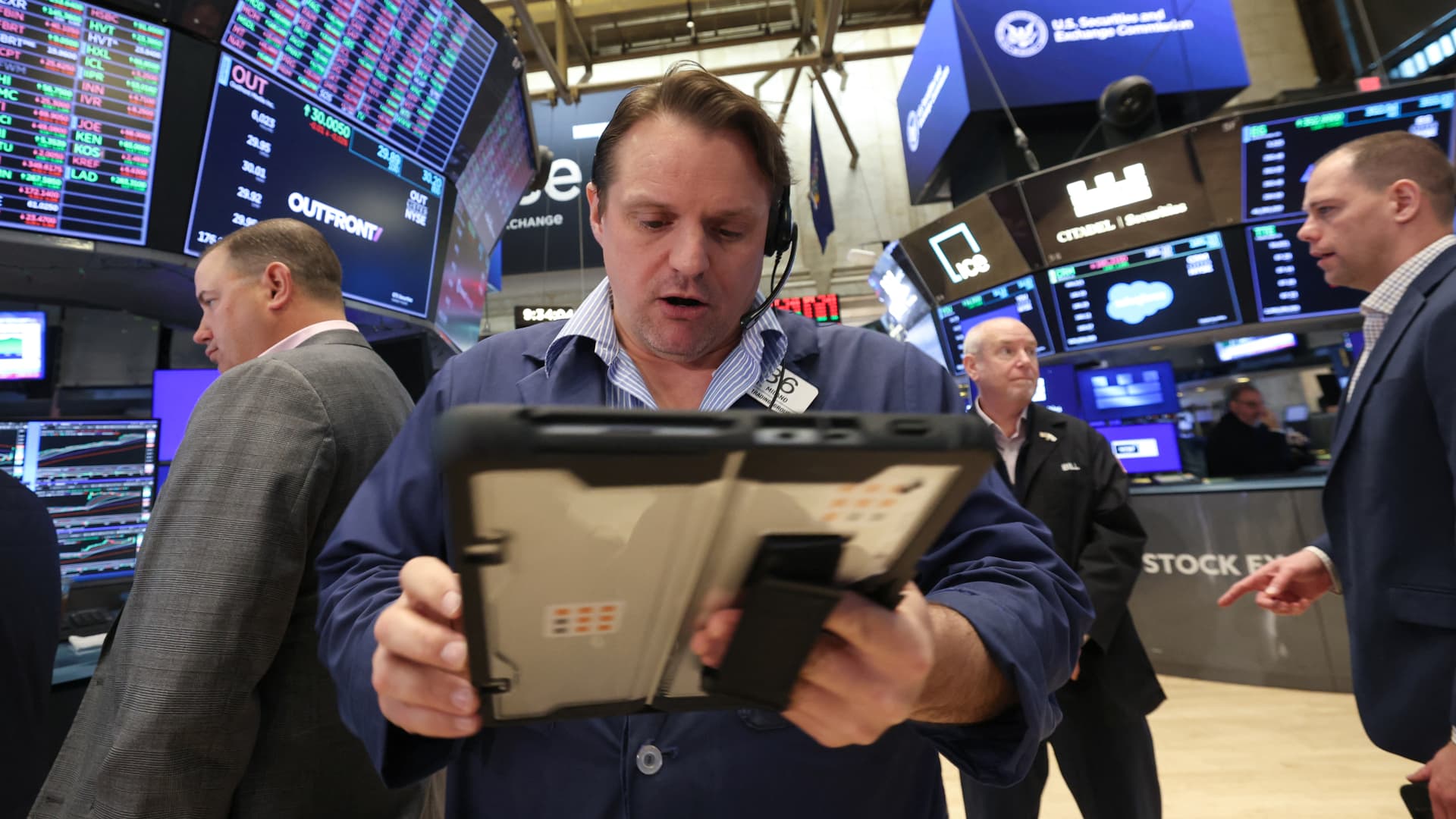
Global financial markets experienced a notable rally on Wednesday as investors responded to the U.S. government’s decision to extend a two-week ceasefire with Iran. The extension, which follows diplomatic outreach from Pakistani leadership and internal assessments of the Iranian political landscape, has provided a temporary sense of relief to traders concerned about potential military escalation in the Middle East. While the long-term diplomatic outlook remains fluid, the immediate reduction in tension has allowed market participants to refocus on macroeconomic fundamentals.
Major U.S. indices continue to demonstrate significant resilience, with the S&P 500 recently achieving record highs. This upward momentum is largely attributed to sustained productivity gains and the ongoing expansion of the artificial intelligence sector. International markets have followed suit, with Japan’s Nikkei 225 reaching new peaks supported by robust export data, while European indices saw gains driven by the basic resources sector. Energy markets have also reacted favorably, with both West Texas Intermediate and Brent crude futures trending lower as fears of supply disruptions subside.
Corporate performance remains a primary driver of market sentiment, with several major firms reporting strong results. AT&T saw its shares rise following a first-quarter earnings beat that exceeded analyst expectations, while Adobe shares climbed after the announcement of a $25 billion stock repurchase program. Despite rising fuel costs impacting guidance for companies like United Airlines, the broader corporate landscape appears robust, suggesting that investors are currently prioritizing growth and capital return strategies over geopolitical uncertainty.
Key Takeaways
- U.S. markets rallied following the extension of a two-week ceasefire with Iran, easing fears of immediate military escalation.
- Major indices, including the S&P 500 and Japan's Nikkei 225, reached record highs driven by strong corporate earnings and AI-sector growth.
- Energy prices have cooled as geopolitical tensions stabilize, with crude oil futures trading lower.
Editor’s Analysis & Impact
The current market rally underscores a growing trend where investors are increasingly desensitized to geopolitical friction, provided that such events do not immediately threaten global supply chains or energy security. By pricing in a de-escalatory path, the market is signaling confidence in the resilience of the U.S. economy and the strength of the tech-led productivity boom. However, the reliance on corporate buybacks and AI-driven growth creates a narrow path for sustained gains. If diplomatic efforts in the Middle East stall or if energy prices experience a sudden, supply-driven spike, the current optimism could quickly evaporate. Moving forward, the market will likely remain hyper-sensitive to any shifts in the Iran ceasefire status, as the current stability is fragile and contingent upon ongoing, yet uncertain, diplomatic negotiations.
Frequently Asked Questions
Q: Why did the U.S. decide to extend the ceasefire with Iran?
A: The extension was prompted by requests from Pakistani leadership and observations regarding internal political fractures within the Iranian government.
Q: How have energy prices reacted to the news of the ceasefire extension?
A: Energy prices have shown signs of cooling, with both West Texas Intermediate and Brent crude futures trading lower as the immediate threat of conflict-related supply disruptions has decreased.
AI Disclosure: This article is based on verified data and official reports. Our Team and AI have cross-referenced every financial detail with primary sources to ensure total accuracy.
More from this Category