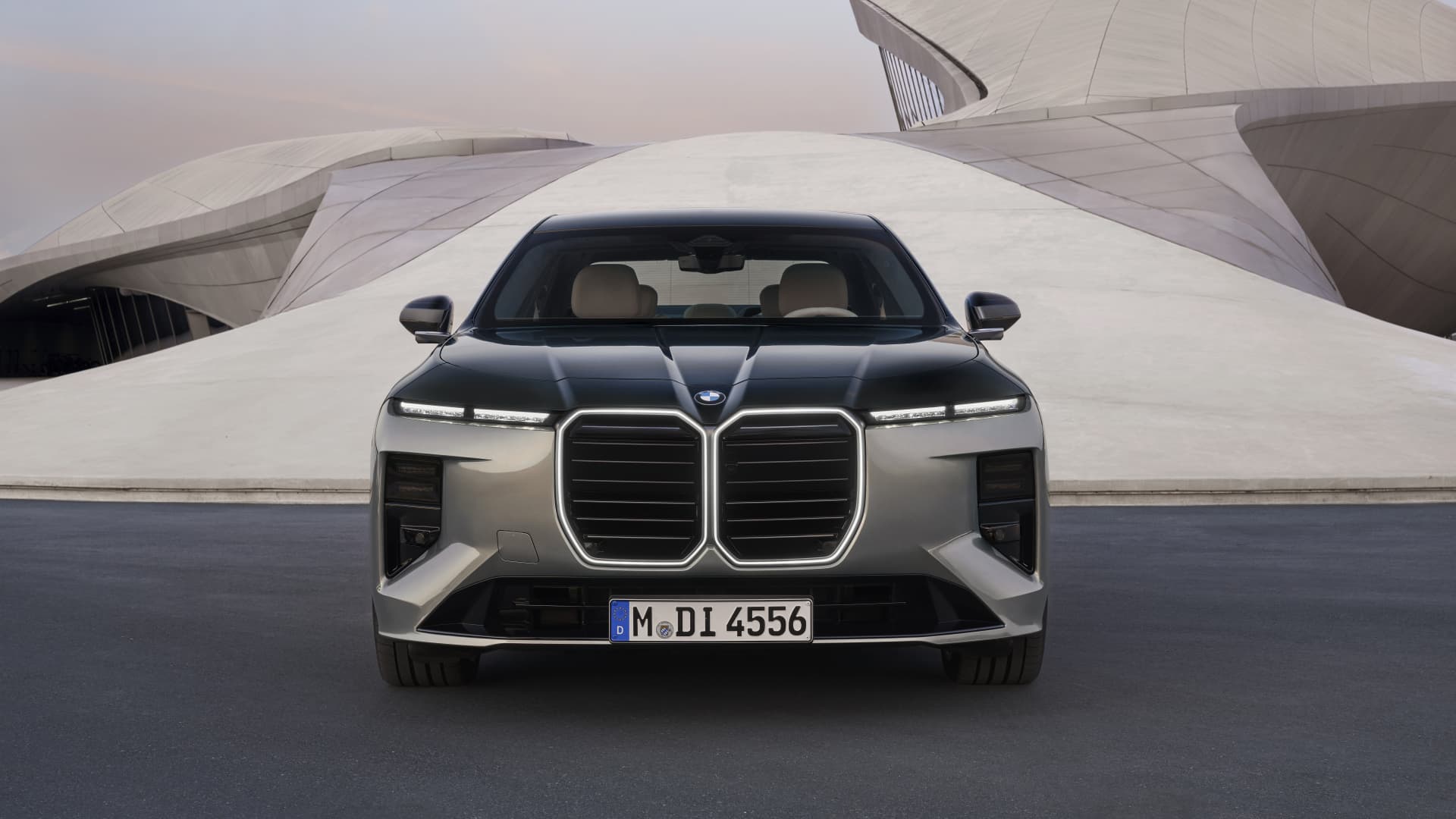
BMW Doubles Down on Luxury Sedans as Rivals Pivot to SUVs
BMW is making a bold statement in the automotive industry by doubling down on its flagship 7 Series sedan, even as many competitors abandon the segment in favor of sport utility vehicles. While the broader market trend leans heavily toward SUVs, BMW leadership remains confident that a significant portion of its customer base still values the prestige and driving dynamics of a traditional four-door luxury vehicle. The company has set ambitious sales targets for the North American market through 2026, positioning the 7 Series as a cornerstone of its premium portfolio.
The latest iteration of the 7 Series serves as a technological showcase, integrating advanced features originally slated for the brand’s upcoming electric vehicle architecture. Notable innovations include a panoramic heads-up display, an AI-driven voice assistant, and a rear-cabin cinematic experience powered by a 36-speaker sound system. By bringing these high-end digital capabilities to an internal combustion engine model, BMW is aiming to redefine the luxury sedan experience for modern, tech-savvy consumers.
Navigating this strategy is not without its hurdles. The 7 Series faces stiff competition from within BMW’s own lineup, specifically the X7 SUV, which currently outsells the sedan in the United States. Additionally, the 7 Series is subject to a 15% import tariff, a financial burden that domestic-manufactured competitors do not share. Despite these challenges and the exit of several luxury rivals from the full-size sedan market, BMW views the 7 Series as a vital brand ambassador. By maintaining a diverse lineup, the automaker intends to capture the loyalty of traditional sedan buyers while leveraging shared production architectures to maintain efficiency.
Key Takeaways
- BMW is bucking the industry trend by investing heavily in the 7 Series sedan while competitors shift focus to SUVs.
- The new 7 Series incorporates cutting-edge technology, including AI-powered assistants and advanced cinematic displays, to attract modern luxury buyers.
- Despite facing import tariffs and competition from the popular X7 SUV, BMW maintains that the sedan remains a critical pillar of its brand identity and market strategy.
Editor’s Analysis & Impact
BMW’s decision to maintain a strong sedan presence is a calculated risk that prioritizes brand prestige and market segmentation over short-term volume. By positioning the 7 Series as a technological ‘showpiece,’ BMW is effectively using the model to maintain its status as an innovation leader, which has a halo effect on the rest of its lineup. While the SUV market is undeniably more profitable in the immediate term, the withdrawal of competitors like Audi and Lexus from the full-size sedan space creates a vacuum that BMW is well-positioned to fill. This strategy allows the company to secure a loyal, high-net-worth demographic that prefers traditional luxury, while the shared architecture with the 5 Series ensures that production costs remain manageable despite lower sales volumes compared to SUVs.
Frequently Asked Questions
Q: Why is BMW continuing to invest in sedans when SUVs are more popular?
A: BMW believes there is a persistent, loyal segment of its customer base that prefers the driving dynamics and design of a sedan. Furthermore, the 7 Series serves as a flagship for the brand's latest technology.
Q: How does the 7 Series compete with the X7 SUV in the U.S. market?
A: While the X7 currently outsells the 7 Series, the sedan is marketed as a premium technological showcase. BMW uses shared manufacturing platforms to keep production efficient, allowing them to maintain the sedan as a diverse option for buyers.
AI Disclosure: This article is based on verified data and official reports. Our Team and AI have cross-referenced every financial detail with primary sources to ensure total accuracy.
More from this Category