Tesla Commits $25 Billion to AI and Robotics Transformation
Tesla has unveiled an ambitious capital expenditure strategy, earmarking $25 billion to be deployed through 2026. This significant financial commitment marks a pivotal shift for the company, signaling a transition from its roots as an electric vehicle manufacturer toward becoming a dominant force in artificial intelligence and robotics. The new budget represents a $5 billion increase over previous estimates and triples the company’s historical annual spending, underscoring the urgency of this strategic pivot.
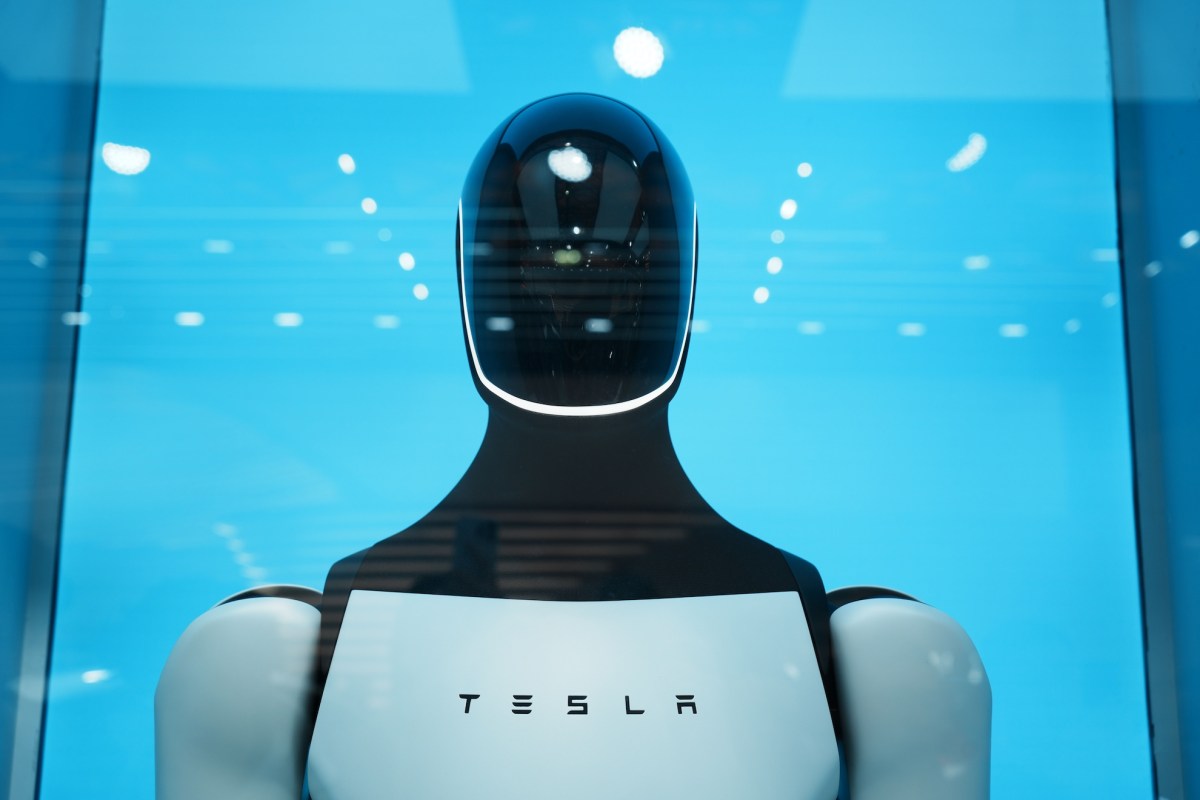
The investment will be primarily funneled into high-tech infrastructure, including the expansion of data centers, the development of proprietary AI silicon, and enhanced computational capabilities. A substantial portion of the capital is dedicated to scaling the mass production of the Optimus humanoid robot, with new manufacturing hubs currently under development in California and Texas. Additionally, the company is intensifying its focus on autonomous robotaxi operations, advanced battery technology, and semiconductor design to maintain a competitive advantage in the rapidly evolving technology sector.
Although Tesla maintains a robust liquidity position with $44.7 billion in cash and short-term investments, the aggressive spending plan has sparked debate among market observers. Leadership has acknowledged that these heavy investments may result in temporary negative free cash flow in the near term. However, the company maintains that this expenditure is a necessary step to secure long-term growth and establish itself as a leader in the next generation of intelligent systems and automated technology.
Key Takeaways
- Tesla is increasing its 2026 capital expenditure to $25 billion to accelerate its transition into an AI and robotics-focused enterprise.
- Major funding initiatives include the mass production of the Optimus humanoid robot and the construction of specialized semiconductor and data center facilities.
- The company plans to utilize its $44.7 billion cash reserve to support these projects, despite the potential for short-term negative free cash flow.
Editor’s Analysis & Impact
Tesla’s decision to triple its capital expenditure signals a definitive pivot in its corporate identity. By aggressively funding AI infrastructure and robotics, the company is attempting to decouple its valuation from the cyclical automotive market and align it with high-growth tech sectors. This move is a direct response to the ‘arms race’ in AI currently being waged by tech titans like Amazon and Google. While the market reaction has been mixed due to concerns over near-term cash flow, the long-term implication is clear: Tesla is betting its future on the successful commercialization of autonomous agents and advanced compute. If successful, this transition could redefine the company’s revenue model, though it faces significant execution risks in scaling complex hardware like the Optimus robot.
Frequently Asked Questions
Q: Why is Tesla increasing its capital expenditure so significantly?
A: Tesla is shifting its focus toward becoming an AI and robotics-first company, requiring massive investments in data centers, AI silicon, and the manufacturing infrastructure needed for the Optimus humanoid robot.
Q: How does this investment affect Tesla's financial health?
A: While the company has a strong cash position of $44.7 billion, leadership expects that this high level of spending will likely result in negative free cash flow in the short term as they build out these new capabilities.
AI Disclosure: This article is based on verified data and official reports. Our Team and AI have cross-referenced every financial detail with primary sources to ensure total accuracy.
More from this Category